
Car wash tokens, sardine can keys. These doctors extract weird stuff from people's bodies.
In June of 1998, a lunchtime diner took a hearty bite from a club sandwich and accidentally swallowed the frilly green toothpick hidden inside, lodging it firmly behind his tongue.
Luckily, that patient found quick relief in UNC Hospitals' ear, nose and throat department, where doctors retrieved the pointed intruder with a set of forceps.
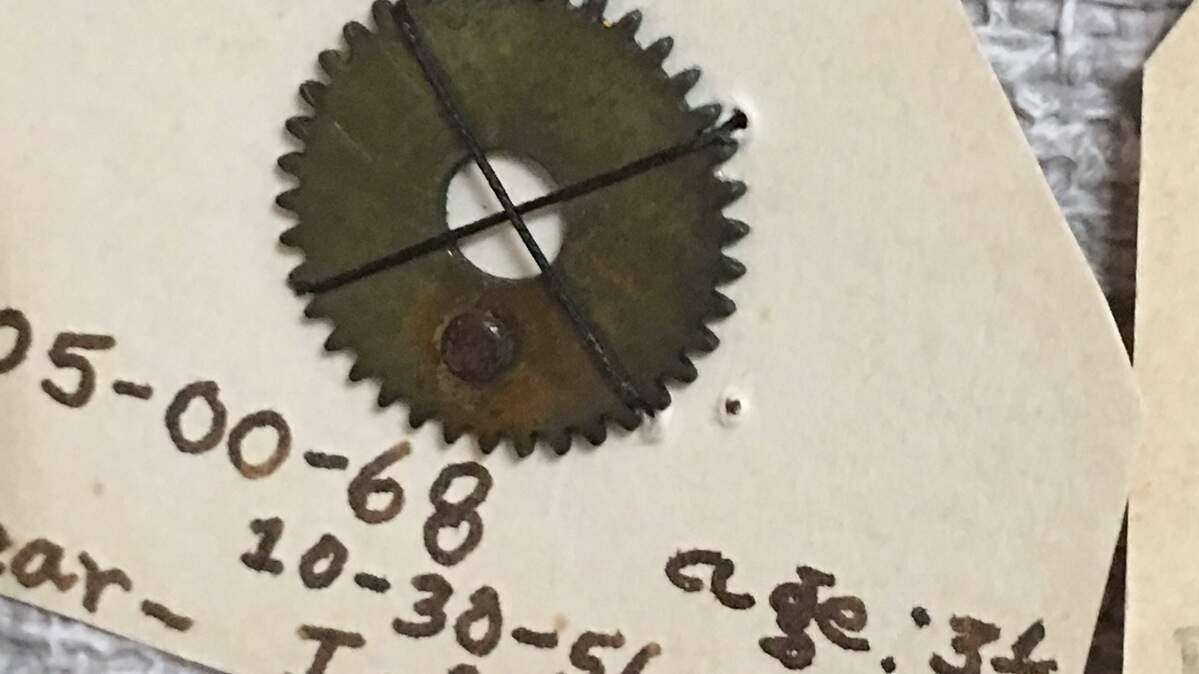
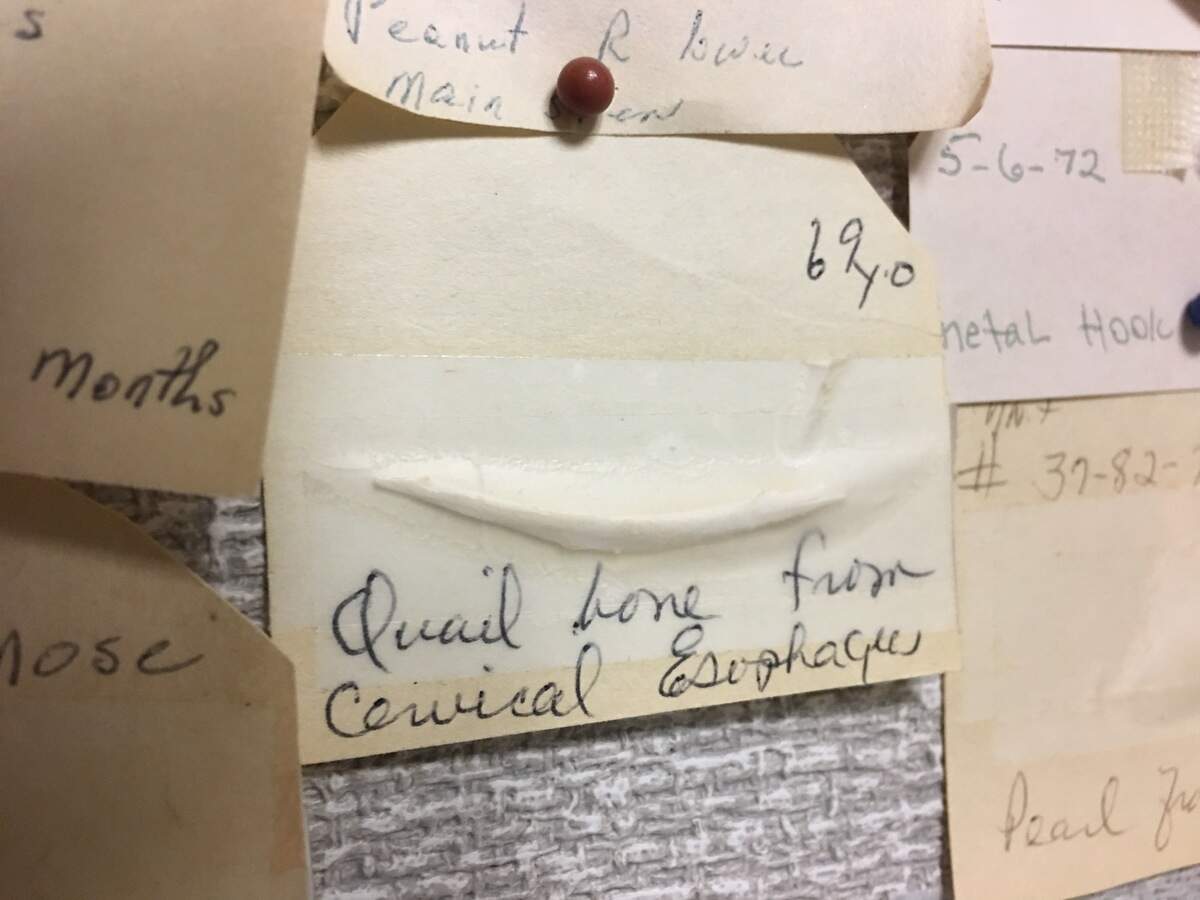
Two decades later, the toothpick remains enshrined in a glass case on the clinic's wall of infamy — a collection of foreign objects extracted from facial cavities dating to 1954, some of them just as cringe-inducing as the day they went down. Doctors cherish these artifacts as a warning label that is impossible to ignore — findings from the world's grossest archaeological dig.
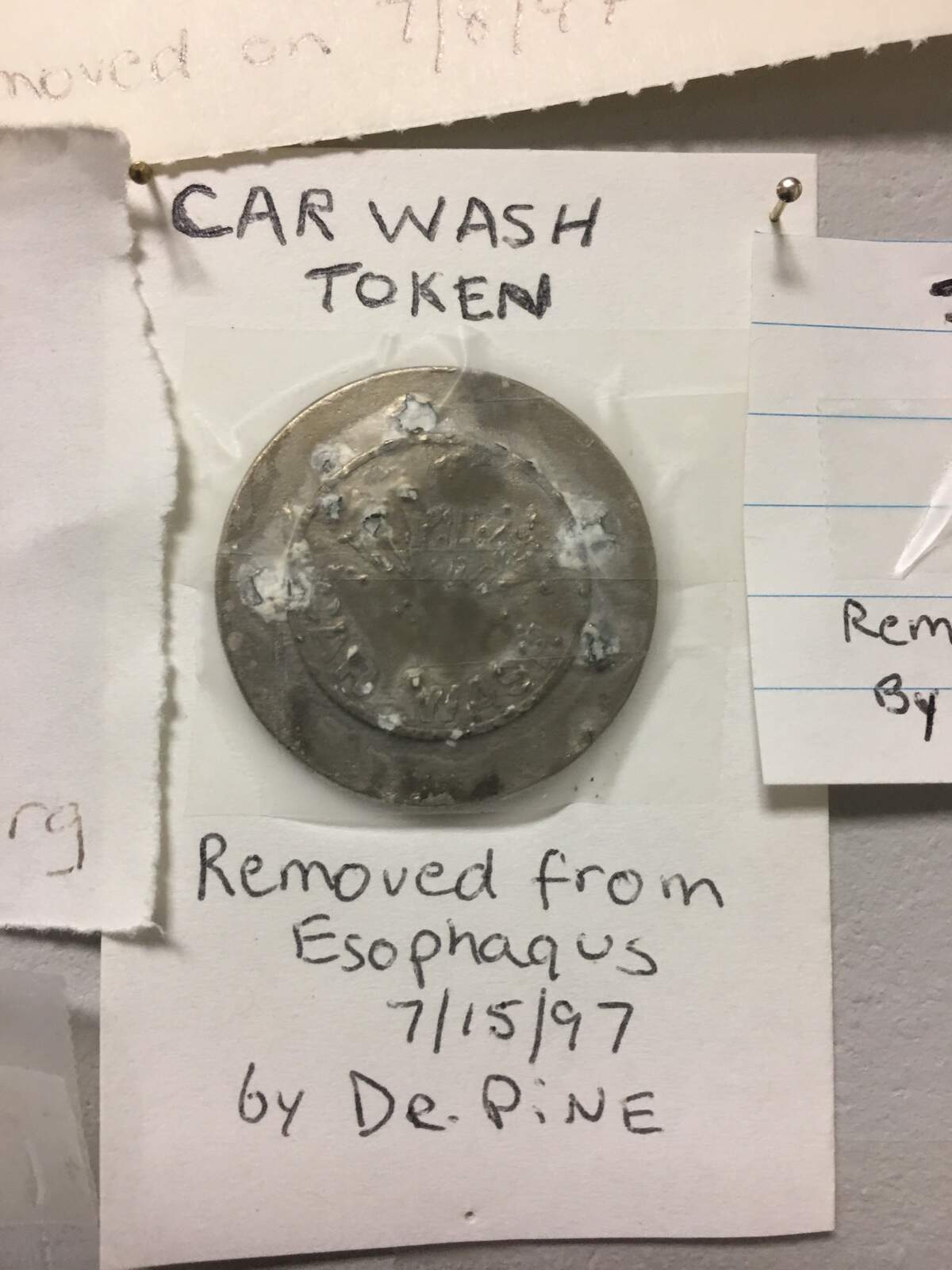
Consider the safety pin swallowed by an 8-month-old in 1970, the car wash token ingested in 1997 or the belt buckle that, in 1981, somehow found its way down a grown man's throat.
"I guess it had to go somewhere," said Carolyn Hamby, associate chair for administration in the Department of Otolaryngology, better known as ENT.
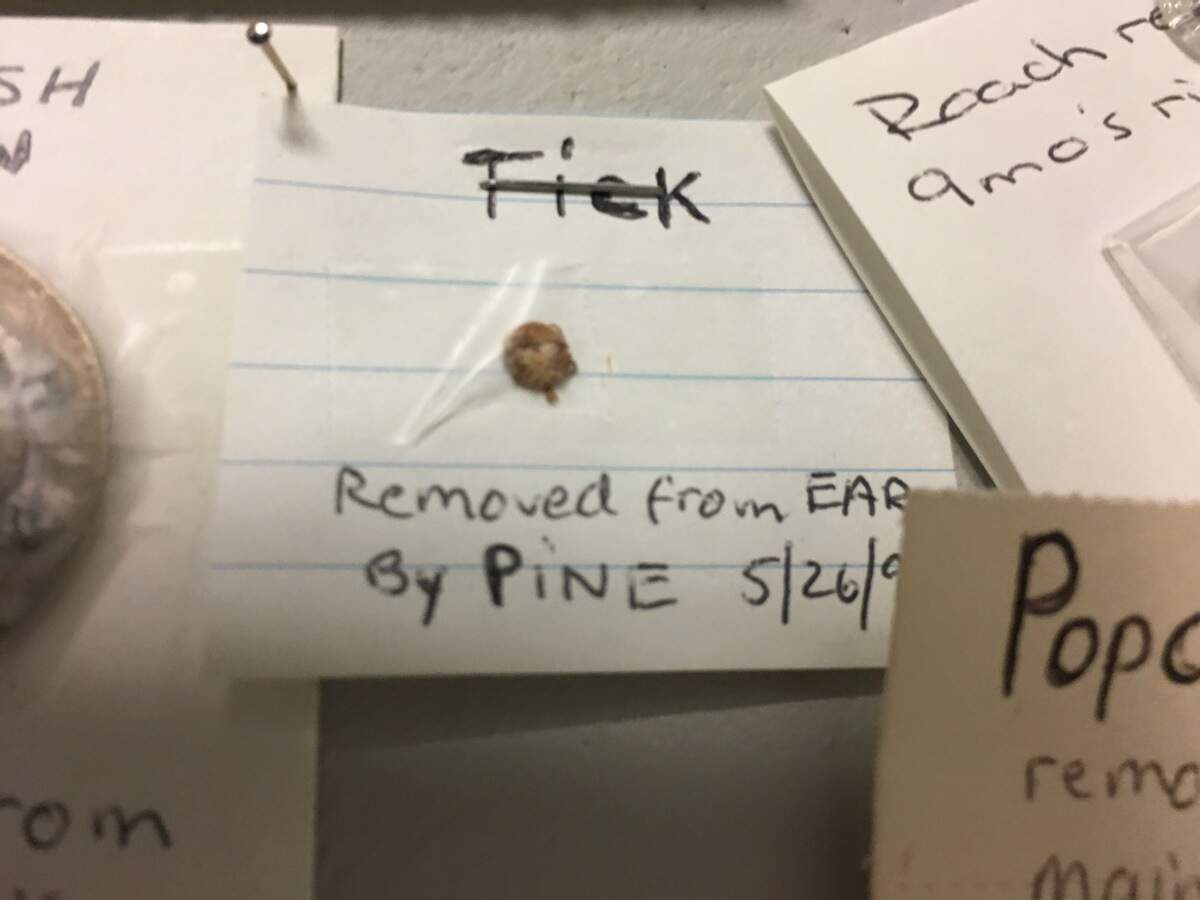
Even harder to imagine: the pop-top extracted from somebody's nostril, the acorn pulled out of a 4-year-old's nasal cavity or the tick that crawled into a patient's ear, perfectly preserved inside a plastic bag. Having witnessed decades of emergency ingestion, doctors remain at a loss to explain the car wash token buried deep in an esophagus.
"You almost can't make this stuff up," said Dr. Amelia Drake, professor of otolaryngology, whose father, Dr. Newton Fischer, began the collection in 1954. It remains tucked inside the examining rooms, near where patients get weighed.
"We only keep about a quarter of it. If someone swallows a penny or some kind of coin, they sometimes want it back."
Medical history is rich with stories of foreign objects stuck inside inappropriate orifices.
In 2015, a British man sneezed out a toy dart that had spent 44 years inside his nostril. In 2012, doctors discovered a bed bug feeding on a 23-year-old man's eardrum.
In 2004, Drake co-authored a medical journal article entitled "Comparison of Pediatric Airway Foreign Bodies over 50 Years," in which she compared 26 samples taken from the 1950s to 27 items found between 1999 and 2003. In general, she said, the objects are very similar, though toys tend to be plastic now rather than metal, and the later period saw an increase in small toy parts. Popcorn showed up in 15 percent of the later cases.
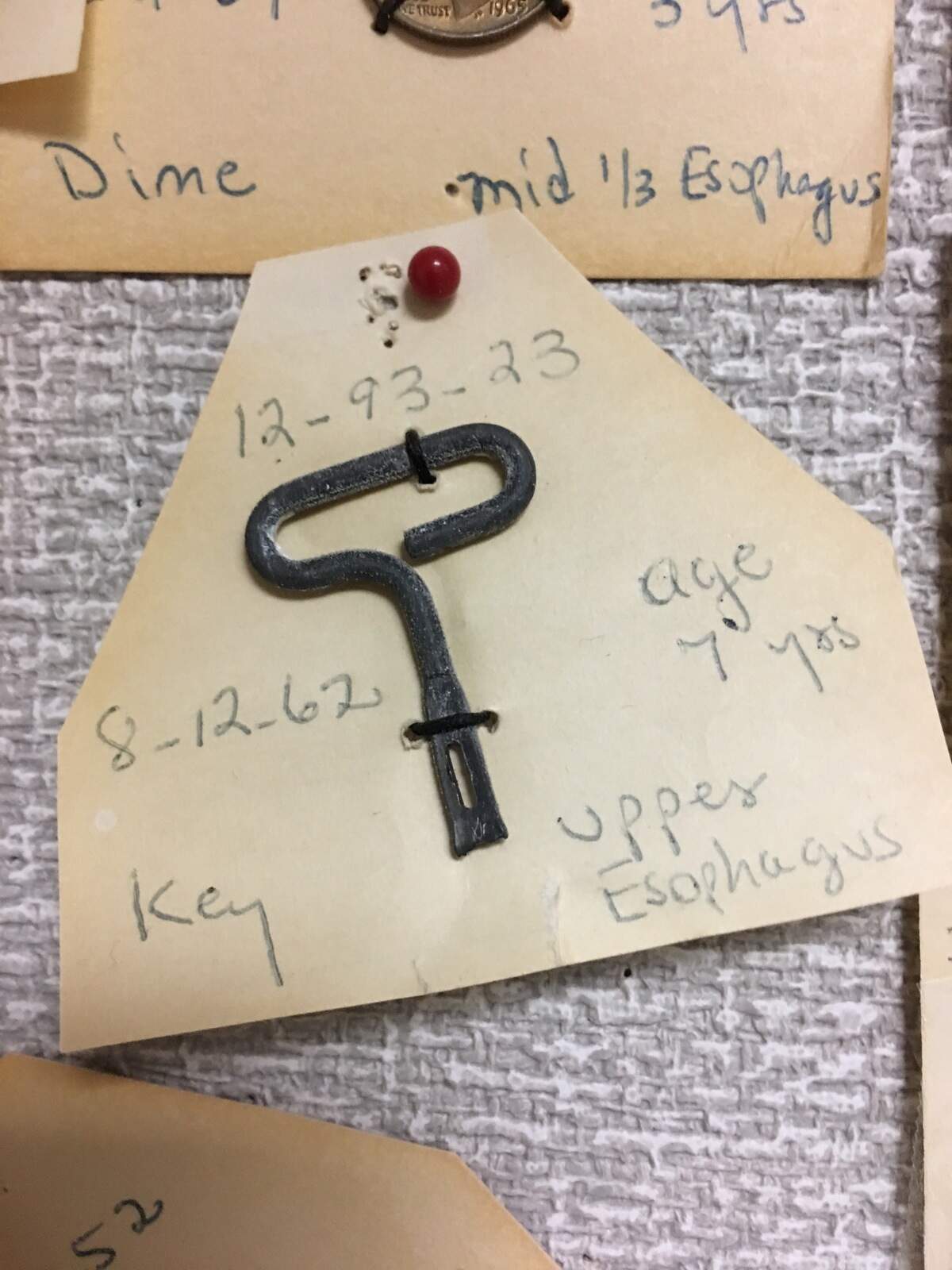
"You don't see these keys on the sardine cans anymore," Drake said, noting that an infant swallowed just such an item in 1962.
Children's accidents, of course, occupy much of the space on the UNC wall, and Drake offers these safety pointers:
▪ Sit while eating
▪ Don't separate Legos with teeth
▪ Cut hot dogs vertically and horizontally.
But adults show no immunity to mishaps. Doctors pulled a quail bone from a 69-year-old woman's gullet, and part of a toothbrush from a hapless patient trying to throw up.
Most of these relics, though funny in retrospect, stem from somebody's choking episode — one of the least amusing experiences anyone can have.
Kept in this makeshift museum, they remind us to recall some of the earliest and most timeless wisdom we receive. Slow down. Chew your food. Nothing in your ears but music. Nothing up your nose, save perfume and spice.
This story was originally published April 26, 2018 at 6:11 PM with the headline "Car wash tokens, sardine can keys. These doctors extract weird stuff from people's bodies.."