
What to know about scentscaping and how you can keep your home’s fragrance chemical-free
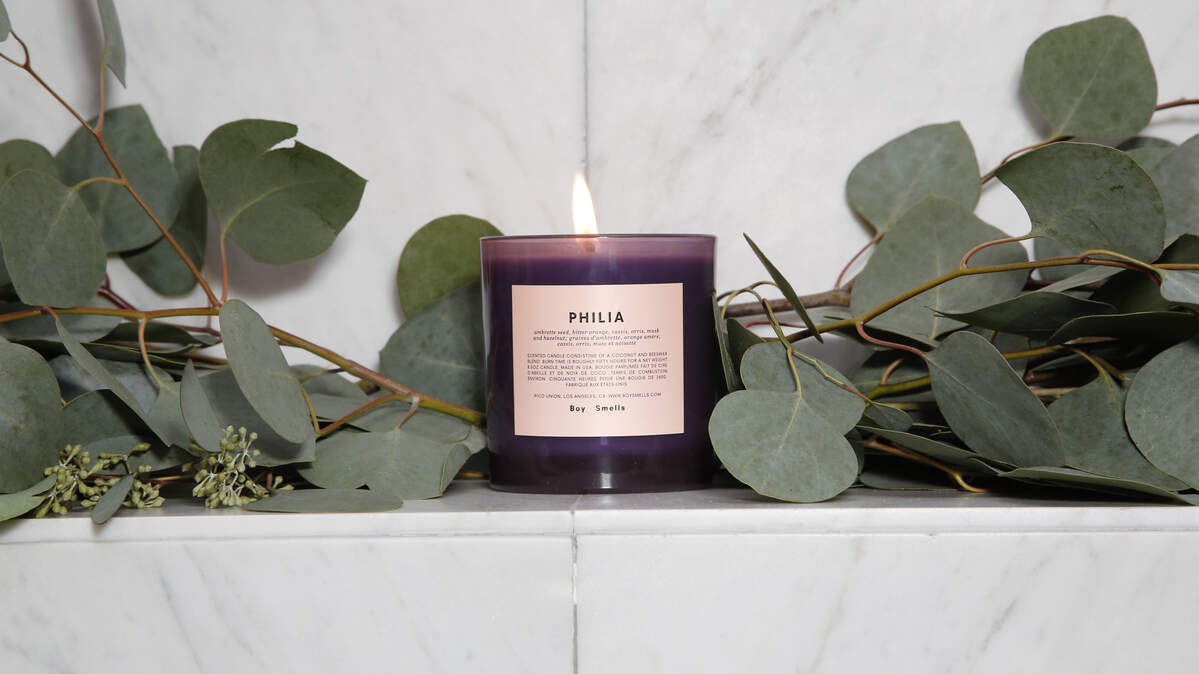
Synthetic plug-ins and aerosol sprays have quietly become some of the most chemical-heavy products in the average home. Scentscaping — the practice of designing a room’s fragrance the way you’d design its lighting — offers a cleaner alternative, and it’s catching on with interior designers who want mood without the synthetic mist.
The idea is simple: match scent to space, and lean on natural sources instead of constant-release air fresheners.
What scentscaping actually means
Franky Rousell, founder of the interiors firm Jolie, defines the practice in Vogue as “the harnessing of fragrance in a space to create a specific atmosphere, guide emotional responses, and enhance the overall sensory experience of an environment.”
Rousell argues scent is a design tool on par with color or texture. “Scent can influence our mood and energy, sparking creativity in a collaborative zone or instilling a sense of grounding and calm in a wind-down area,” she told Vogue.
In other words, scentscaping treats your kitchen, bedroom and living room as distinct sensory zones — each with its own fragrance personality — rather than blasting a single artificial scent through the whole house.
Why the chemical-free angle matters
The appeal of scentscaping isn’t just aesthetic. It’s a direct response to “constant release” plug-ins, synthetic candles and aerosol sprays that pump fragrance compounds into indoor air around the clock.
Practitioners lean on three chemical-free building blocks:
- Natural scent sources, including plants, fresh herbs and citrus peels
- Ventilation as a fragrance tool — opening windows to move air rather than mask it
- Avoiding synthetic constant-release products in favor of intermittent, natural diffusion
Essential oils are a centerpiece of the approach. Karen Peltier writes in The Spruce that “many essential oils have antibacterial, antifungal, and antiviral properties to help freshen and purify the air.”
Her low-effort method: “Simply boil a pot of water, take it off the heat, and add a few drops of your favorite essential oil. You can blend drops from one oil with another to find your favorite scents. The scent of the oils in the released water vapor will infuse the whole room.” Diffusers, she notes, do the same job by misting oils into the air.
How to scentscape room by room
The trend’s appeal is that it’s specific. Each room gets a scent suited to what you actually do there.
- Kitchen: Simmer citrus peels on the stove. Keep fresh herbs like mint and basil on the counter so the room smells like what you cook.
- Bathroom: Hang eucalyptus from the showerhead. Steam releases the oils naturally.
- Bedroom: Tuck lavender sachets into drawers, or mist linens lightly with sprays made from diluted essential oils.
- Living room: Lean on indoor plants and natural wood. If you want a candle, choose beeswax or another natural, chemical-free wax.
The through-line: scent should match the room’s purpose. Energizing citrus where you cook and gather. Calming lavender where you sleep. Clearing eucalyptus where you wash up.
Why scentscaping is having a moment
Two forces are pushing the trend forward. The first is a broader consumer pullback from synthetic home products — the same wave that drove demand for nontoxic cleaners and fragrance-free laundry detergent. The second is a design-world reframing of scent as part of a room’s overall composition, not an afterthought sprayed in before guests arrive.
For homeowners who want their space to feel intentional without filling it with synthetic fragrance, scentscaping offers a low-cost, low-chemical way in. A bowl of citrus peels. A bundle of eucalyptus. A sachet of lavender. The tools are already in most kitchens and gardens.
This article was created by content specialists using various tools, including AI.