Local coworking firm helping laid-off workers transition into launching a startup
American Underground, the Durham-based coworking company and community of startups, is launching a new program to help recently laid-off individuals transition into becoming entrepreneurs, as the coronavirus pandemic devastates the local economy.
The program, called the Landing Spot, will give accepted individuals a free, three-month virtual membership to the American Underground as well as access to all of its benefits and resources. The participants will go through an educational program as a cohort, taking part in a series of workshops with speakers and mentors about the basics of starting a company and bringing an idea to market.
The American Underground hopes to attract individuals who may have already been working on an idea but didn’t have the time to focus on it.
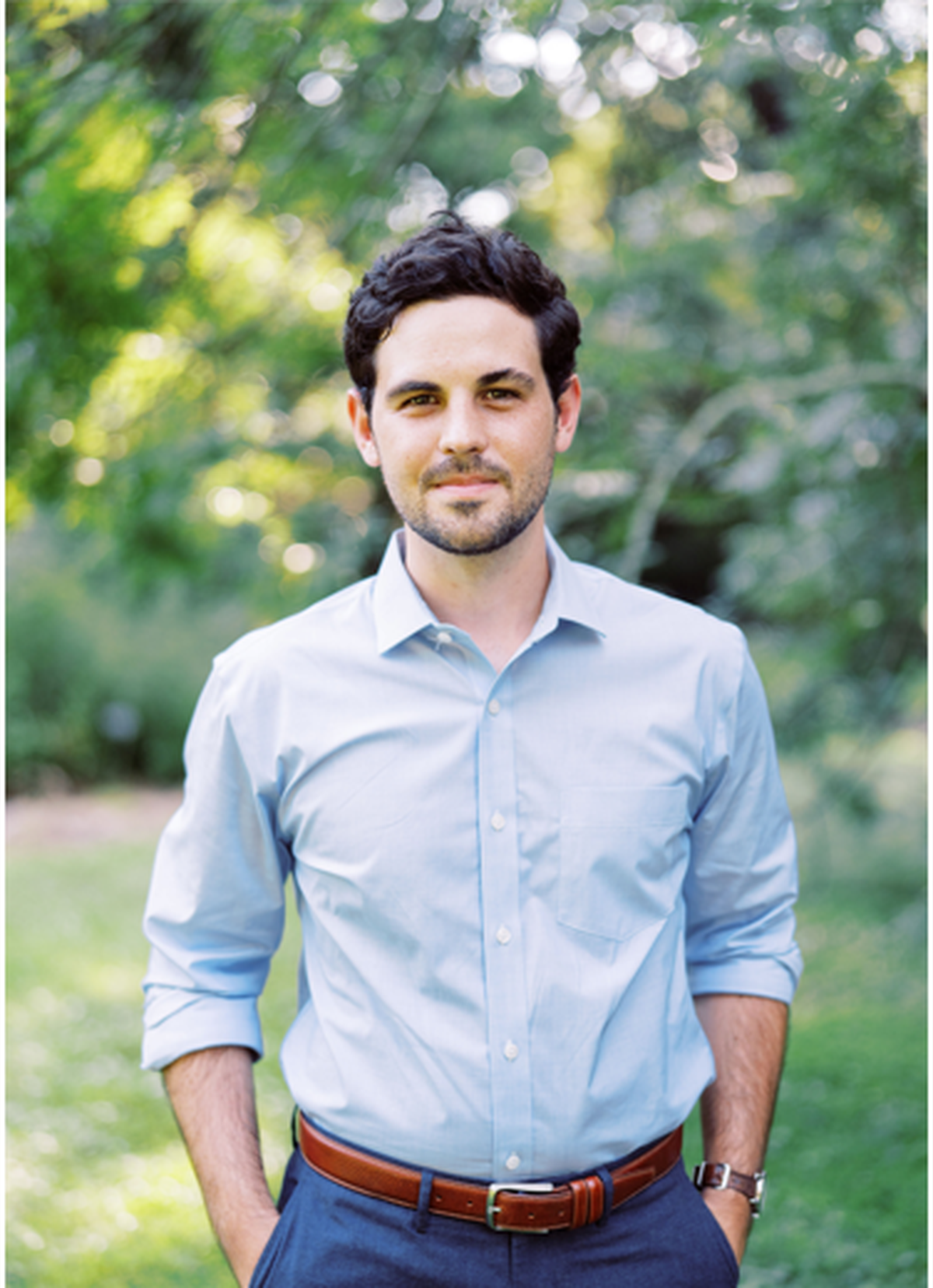
Adam Klein, chief strategist at the American Underground, said the firm will accept up to five individuals for the program, though depending on the number of applications it receives, the number could be higher. Applications to the program were opened late last week and several people have already applied, Klein said. Applications will be accepted until May 5.
“Losing your job, particularly during the current crisis, can feel like free-fall,” Klein said. “But change, while unsettling, can also be an opportunity.”
It’s not the first time that the American Underground has launched a program like this. Back in 2014, when Cisco laid off a large number of employees at its Research Triangle Park office, the American Underground also offered free memberships to affected employees who had ideas for starting their own companies.
It had five participants in 2014, Klein said, and it resulted in two companies being formed — although those companies are no longer operating today.
“The Cisco program was interesting because it was focused on one company and a certain type of engineer,” Klein said. “I think what is unique this time is that COVID has affected so many facets of the economy that we are interested to see ideas from what is unfortunately a broad range of industries affected by layoffs and furloughs.”
The coronavirus has indeed affected a large variety of industries in North Carolina. More than 500,000 people in the state have now applied for unemployment benefits, The News & Observer reported.
At the moment, the coronavirus is robbing coworking spaces of one of their biggest selling points. With social isolation being enforced by the government, the daily in-person interactions between the hundreds of startups located at the American Underground aren’t possible right now.
However, a key difference between 2014 and now, Klein said, is the advancement in virtual workplace technologies. Klein said one of the biggest benefits of the program is access to the American Underground’s thriving channel on the communication platform Slack.
On the American Underground’s Slack channel, founders and workers trade tips about running a business and share news about different opportunities. In some ways, that can replicate what is missed when shared offices are closed because of the coronavirus.
The American Underground is also hosting weekly meetings over Zoom or Google Hangouts to network or discuss topics, like sales or leadership.
Klein said that the coronavirus and its major disruptions could be a chance to experiment how far startup communities can take the idea of a virtual community. Throughout its history, the American Underground has always focused on how it can serve Durham and other parts of the Triangle.
But if the coworking hub can maintain a sense of community that makes it special through a pandemic, Klein said, maybe it can expand its offerings to entrepreneurs all over North Carolina and even outside of the state.
“The more entreprenuers who are in the mix and are on the Slack channel and sharing their expertise the better,” regardless of geography, Klein said. “This is not a zero-sum game. The more minds drawing on these resources the better we are going to get.”
This story was produced with financial support from a coalition of partners led by Innovate Raleigh as part of an independent journalism fellowship program. The N&O maintains full editorial control of the work. Learn more; go to bit.ly/newsinnovate