New Blue Cross CEO brings a world of experience to North Carolina
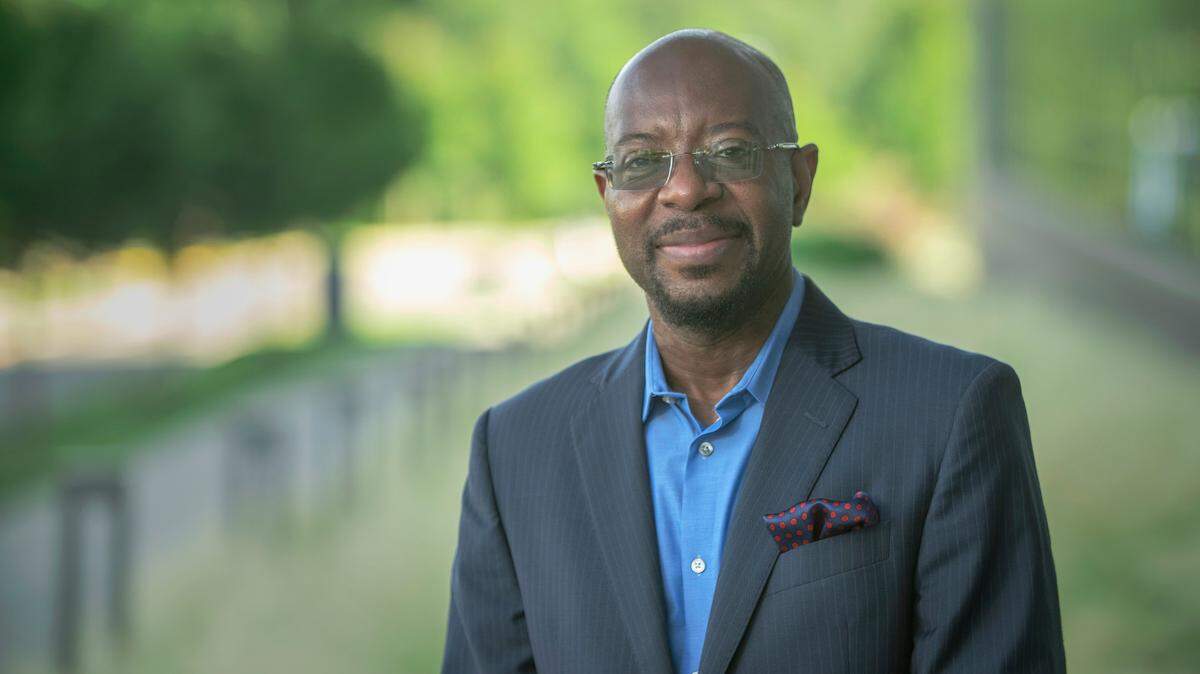
After taking the reins of North Carolina’s largest insurer a month ago, Dr. Tunde Sotunde is now guiding Blue Cross Blue Shield of North Carolina through the “uncharted territory” of the COVID-19 pandemic.
But his appointment as CEO of Blue Cross NC also coincides with a moment when the nation is grappling over the issue of race in the wake of the killing of George Floyd by a Minneapolis police officer. As the country, individuals and corporations debate how to become more inclusive, Sotunde now becomes one of just a few people of color seated at positions of corporate leadership in North Carolina.
Sotunde — who previously led health insurance company Anthem’s Medicaid business — said it is not an accident that he was chosen as CEO-elect before the coronavirus pandemic and Floyd’s death in Minnesota.
Rather, he said, his appointment is evidence that Blue Cross NC has already been putting hard work into diversity and inclusion at its corporate campus in Durham.
The insurer, which is the largest provider of health insurance in the state, serves nearly four million North Carolinians. It is the only provider offering Affordable Care Act plans in every county.
“The decision was already made that I was the CEO-elect before a lot of this played out,” Sotunde said in an interview, describing the current scene in America as the “end result of decades of structural, systemic racism.”
“I think it’s an important point to make,” he said, “that this organization was already far ahead of many other organizations.”
At Blue Cross NC, 52% of the company’s nearly 5,000 employees are “racially or ethnically diverse,” a company spokeswoman said, and it was one of only 10 companies in North Carolina to make Forbes’ Best Employers for Diversity list.
“I can’t ... take credit for this — it was before my time,” Sotunde said.
But he does believe that his background, as both a minority and an immigrant, will make him an effective leader at Blue Cross NC.
Sotunde was born in Nigeria, and spent most of his early childhood there. At 15, he moved to the United Kingdom to attend boarding school before returning to Nigeria for medical school. In the 1990s, he came to the U.S. to complete his pediatric residency program at Howard University.
“I am an individual who brings several attributes to the table,” he said, citing his experience as a physician, a health care executive and as a patient. “I think that in itself is unique,” he said, “and then you factor into the equation that I am a minority and an immigrant.”
Sotunde said growing up in Nigeria shaped a lot of his thinking around health care, especially in regard to access and what it means to be hundreds of miles away from a major health facility.
“So when you’re talking about rural health ... (and) providing care to the underserved, the underprivileged, those that need help the most,” he said, “I have quite a bit of experience in that area.”
But at a moment like this, he added, being a person of color also gives him credibility to address a range of issues related to race.
“Being a minority, I have the credibility of being able to speak to issues that we are now all speaking about, because I’ve been on the other side,” he said. “...I have experienced unconscious bias or discrimination throughout my life and my career.”
“And, you know, from having first-hand experiences (it gives) credibility that many others don’t,” he added. “So when I speak, I think there’s a fair chance that more people would listen because they know I’ve been there.”
This story was produced with financial support from a coalition of partners led by Innovate Raleigh as part of an independent journalism fellowship program. The N&O maintains full editorial control of the work. Learn more; go to bit.ly/newsinnovate