Chip the turtle was the face of spring at NC museum. It’s just not the same now.
In his regular contributions for the Durham Museum of Life and Science blog, park naturalist Greg Dodge writes about the 84-acre preserve like an old-school reporter covering a small town.
There’s construction news when squirrels start building nests or bluebirds move into their boxes. Visitors, such as migratory birds, warrant mention. Births are noted.
But last week, “Ranger Greg,” as he’s known, had the sad duty of writing an obit.
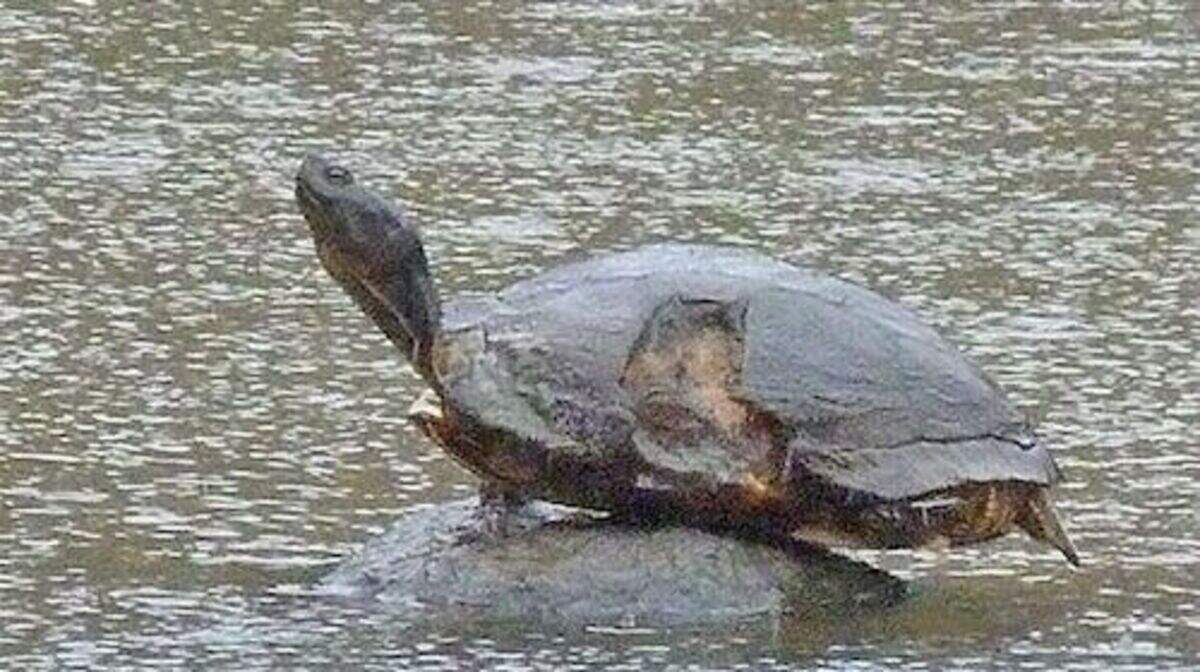
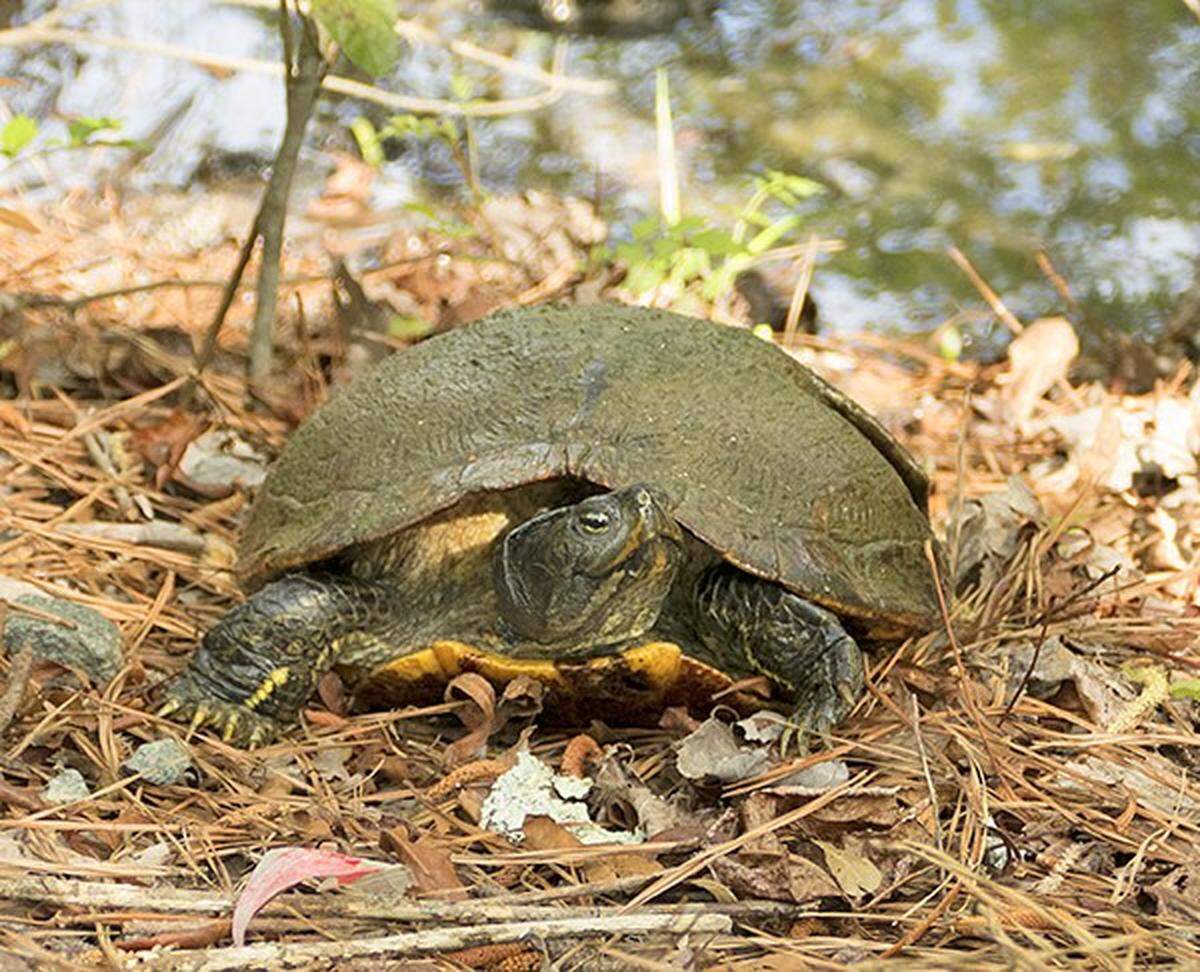
Chip, a female yellowbelly slider turtle, was a beloved longtime resident in the wild community of the museum grounds. She was known for her girth, her sense of wanderlust, and a missing L-shaped chunk from the left side of her shell she wore like a “Survivor” tattoo.
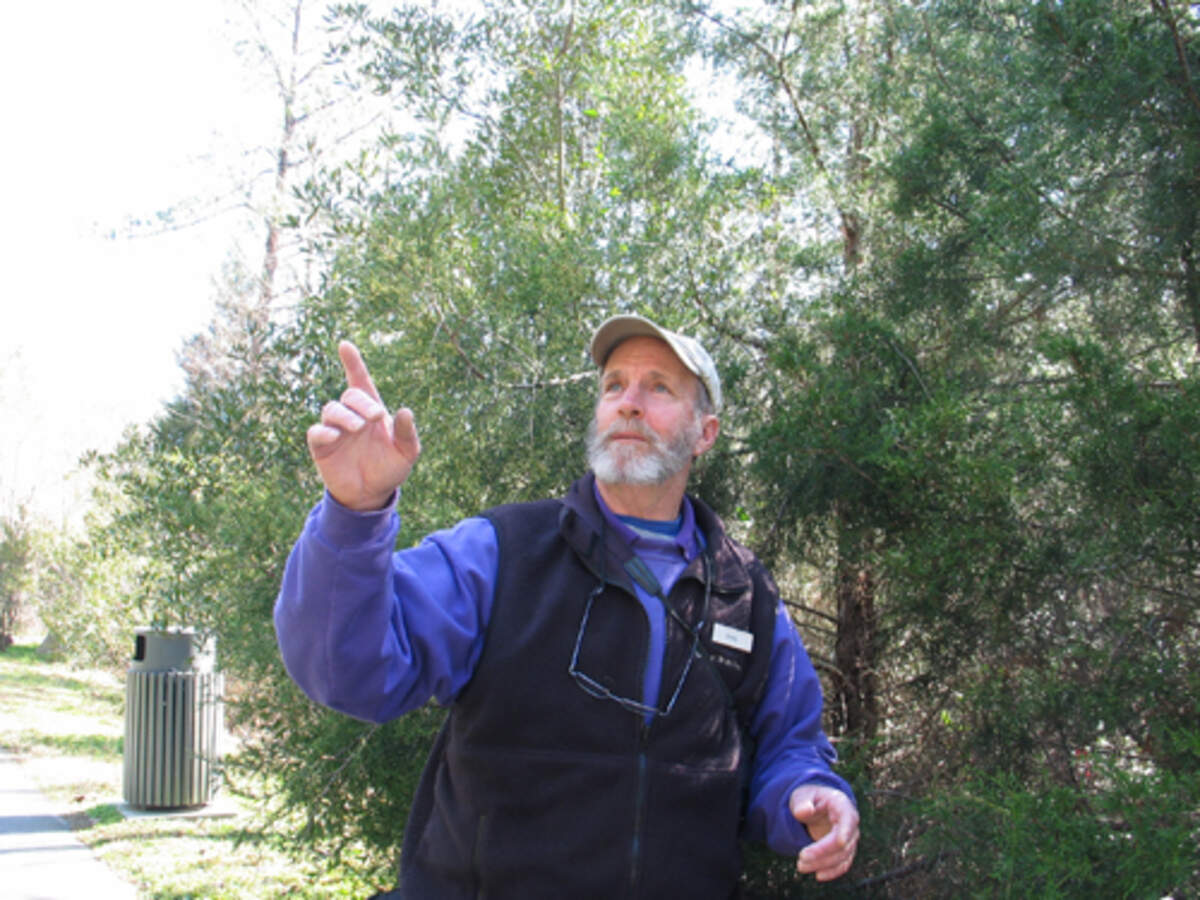
Chip had been living for years on the museum property when Dodge arrived there from New Jersey in 2007, along with a friend who was hired to work at the park. At the time, Dodge was a photographer and videographer specializing in wildlife. He sold photos and video footage to Discovery Channel, National Geographic and to private corporations. One of his videos, ‘Hawk Watch: A Video Guide to Eastern Raptors,” is still available on Amazon.
It was an outgrowth of a youthful fascination.
“I spent a lot of years chasing birds,” Dodge said. “Hawks, warblers, just any kind of birds.” He was licensed for a while to band birds, which he often did by positioning himself in a species’ migratory path and setting nets to catch them. He would collect information for bird observatories, put a small tag on the bird and send it on its way.
Meeting Chip
Dodge went to work for the museum as a ranger, assigned to help people find their way around the campus, from the Magic Wings Butterfly House to the lemur exhibit to the red wolf enclosure. While he was out, he would take photos, and in 2008 the park asked him to start using those on its blog along with descriptions of what they showed.
Over the years, he took many pictures of Chip.
Dodge said he never knew exactly how Chip was injured, only that it likely involved a piece of machinery and that rangers had brought the turtle to the Wetlands area of the park — a former gravel quarry — where she was given free rein.
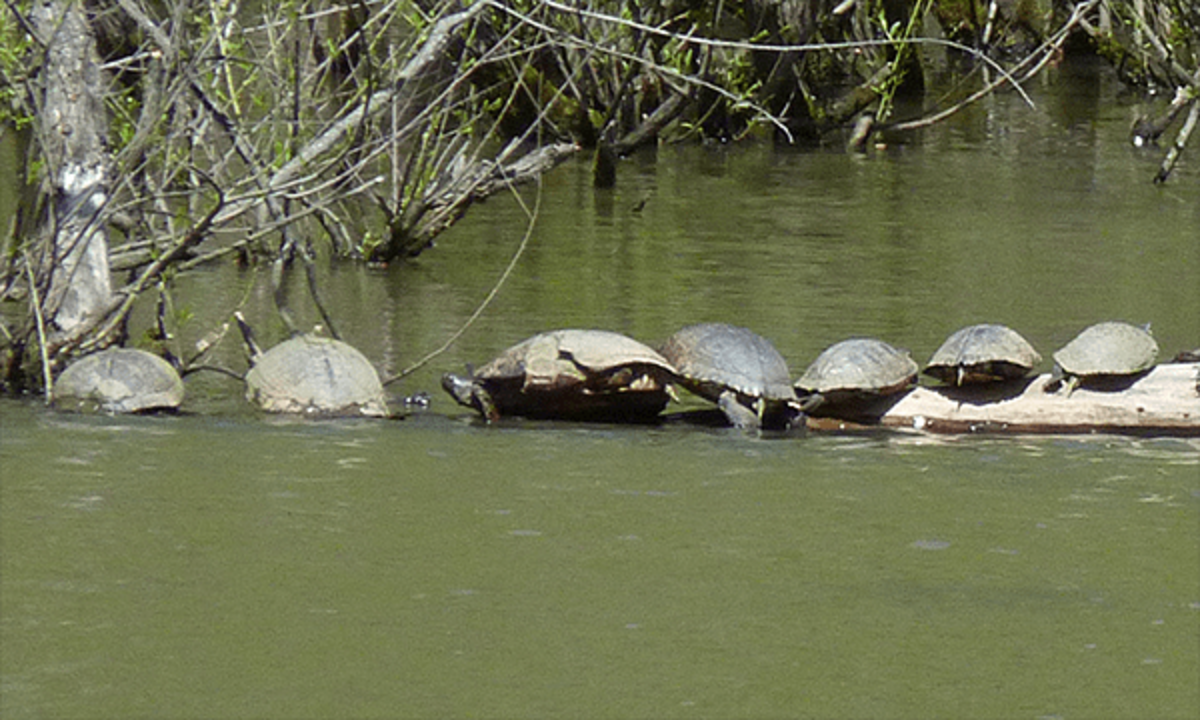
Yellowbelly sliders are one of at least five species of turtles Dodge has counted in the Wetlands area. For a while, he collected data on the turtles, picking them up where he found them at the water’s edge or on the trails that wind through the property. He would note their size and the location where he found them, and make a mark on the edge of their shells to identify them.
He’s also documented 13 species of frogs and toads, 33 species of dragonflies and damselflies, and about 140 species of birds in the park.
Dodge taught himself to be a naturalist at a time when zoos and other facilities that display animals for the public avoided naming their charges, in part to remind keepers and visitors that these were not pets but wild animals whose habitats needed to be conserved.
Ro Rode, digital marketing manager at the museum, said that thinking has changed in recent years.
“Naming animals that are really recognizable helps get buy-in from the public,” Rode said. “It makes people more likely to want to work to conserve them.”
Chip was a wanderer
The Museum of Life and Science named some of its most charismatic animals after holding contests in which the public offered suggestions.
But Chip was just Chip, known by park staff and regulars by her disfigurement.
With a shell measuring nearly 12 inches front to back, Chip was the largest of the sliders in the park. And she was a wanderer, often leaving the wetlands to lay eggs in areas of the park a quarter-mile away.
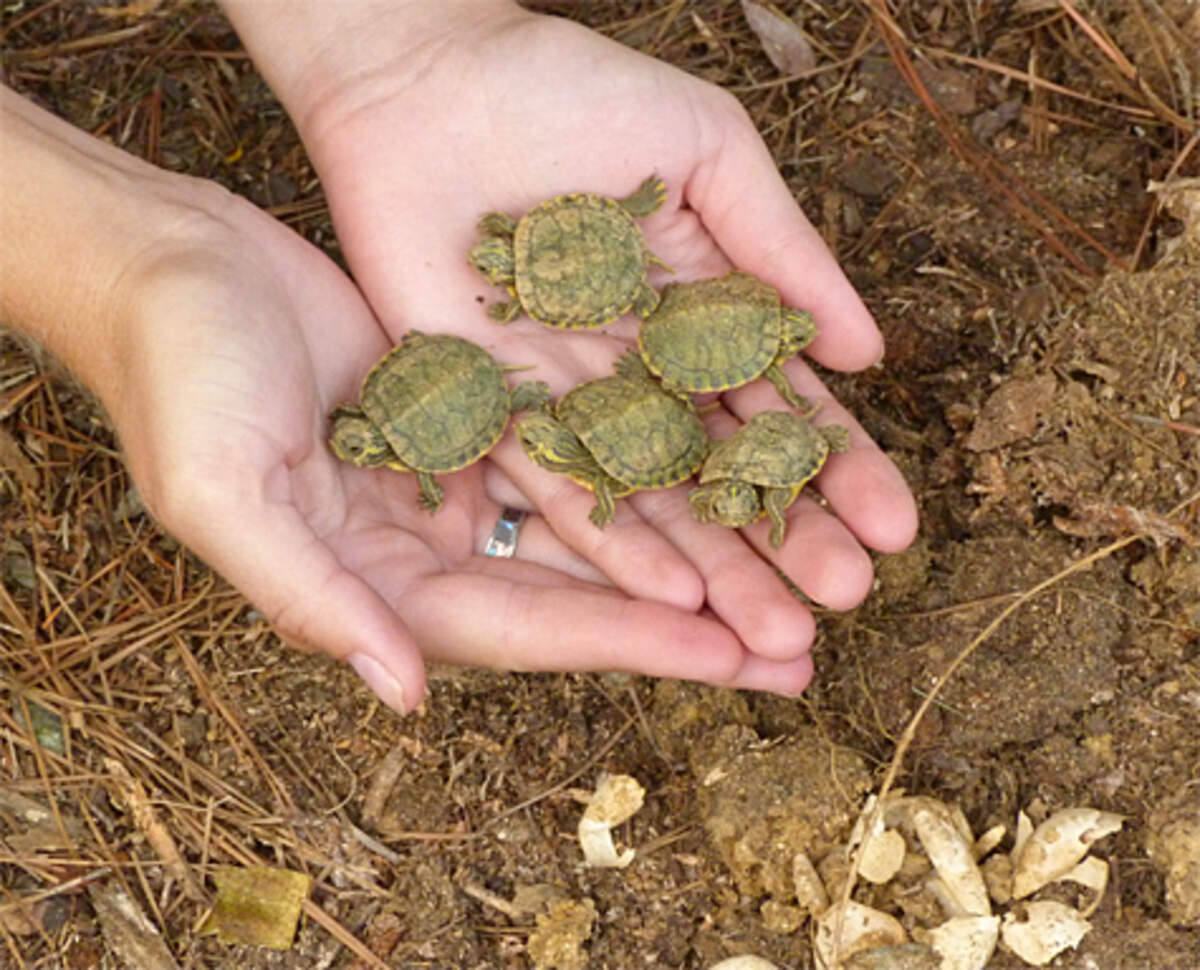
In June 2011, Dodge wrote, Chip was found laying eggs between two close-set Loblolly pines in the Catch the Wind section of the park. Staff noted the location and waited about three months for hatchlings to appear. When they didn’t emerge, a crew excavated the nest, finding seven babies, five of them alive. A museum worker experienced in caring for aquatic turtles kept them until they were large enough to release back into the park.
Each winter, Chip would go dormant, all but disappearing until the first sunny days of February, when she might perch on a rock and do what looked like turtle yoga, her legs and head outstretched for maximum warmth. Her emergence was a harbinger.
“Every year, you wait for the turtles to come out and bask on the rock and logs in the spring,” Dodge said. “Chip was usually one of the first turtles out. It was reassuring, you know? It was like, ‘Spring is here again. Chip’s out. Everything’s all right.’”
But in early 2020, Dodge said, when the other turtles came out, he didn’t spot Chip on any of the rocks or logs that protrude from the shallow water of the Wetlands, and he never encountered her on the walking paths.
Then the pandemic hit, closing the museum for four months.
When the park reopened in July, Dodge noticed what he thought was a big empty turtle shell on a tiny island in the Wetlands. Even through his camera lens, he couldn’t say for sure, but he feared it was Chip’s.
Finally, last month, another ranger at the park slipped on waders and went out to retrieve the shell. Sure enough, it had belonged to their old friend.
Social media condolences
When Dodge shared the news of Chip’s passing last week on the museum’s social media pages, dozens of people responded, many offering condolences. Dodge figures Chip was at least 20 years old, possibly as old as 30, and that she died of natural causes at the end of an average yellowbelly slider’s lifespan.
She is survived by who-knows-how-many of her progeny.
The circle of life goes on at the park. Bluebirds are moving back in. Photos Dodge has taken in recent weeks show the elms and the hazel alder have blossomed. The red-shouldered hawks are in their nests. Frog season is fast approaching.
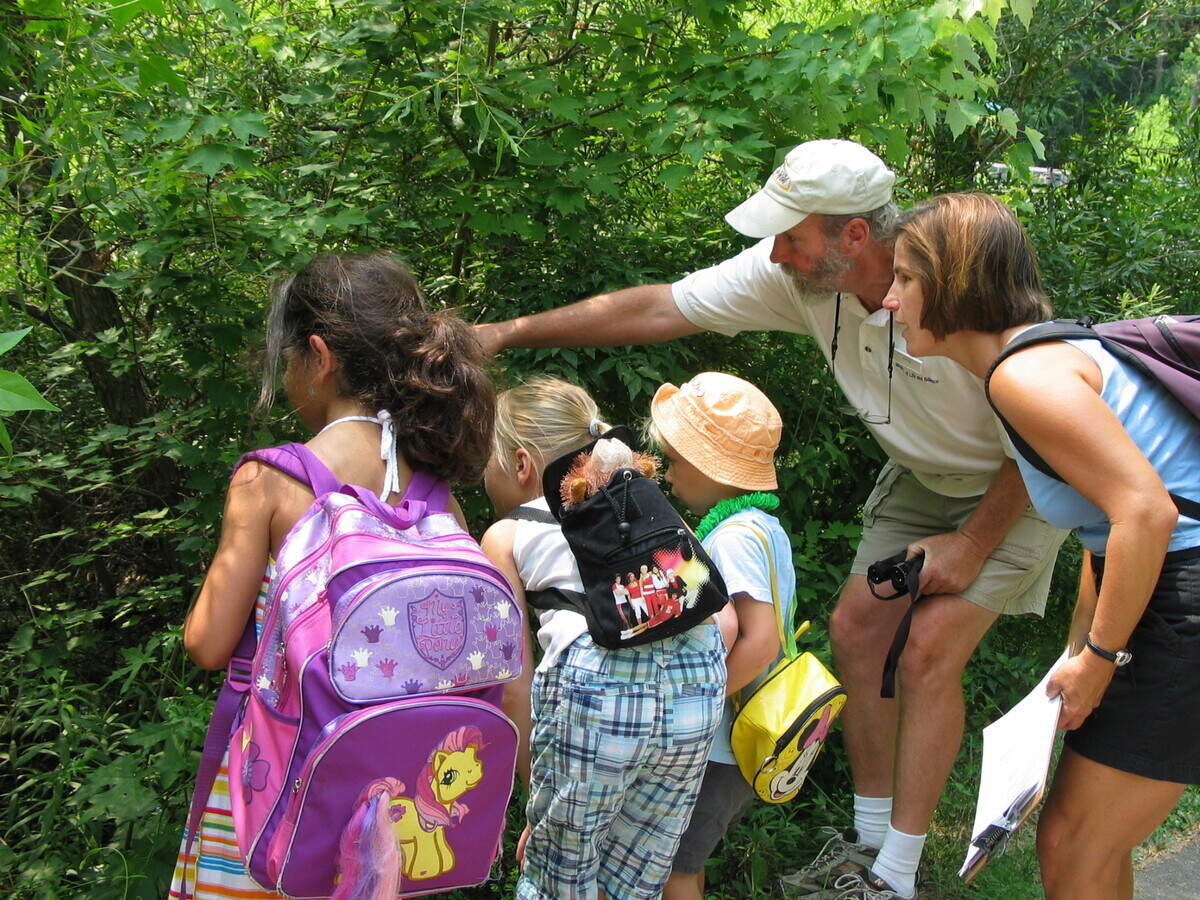
Summer camps are expected to relaunch at the park this year, bringing in children whose eyes Dodge can open to the life that teems in the woods and water around them. Rode says that his favorite way to introduce kids to science is to direct their gaze and let them discover for themselves what’s happening in front of them.
“Everybody needs a Ranger Greg,” Rode said. “It seems like he knows everything. We’re really fortunate to have him.”
Dodge will turn 70 this year, but with so much happening in the park, he isn’t thinking of retiring.
“I love this place,” he said. “I’m going to be here until I drop. I’m going to be like Chip.”