Orange County has a plan to help people in crisis. Here’s what $27M could buy.
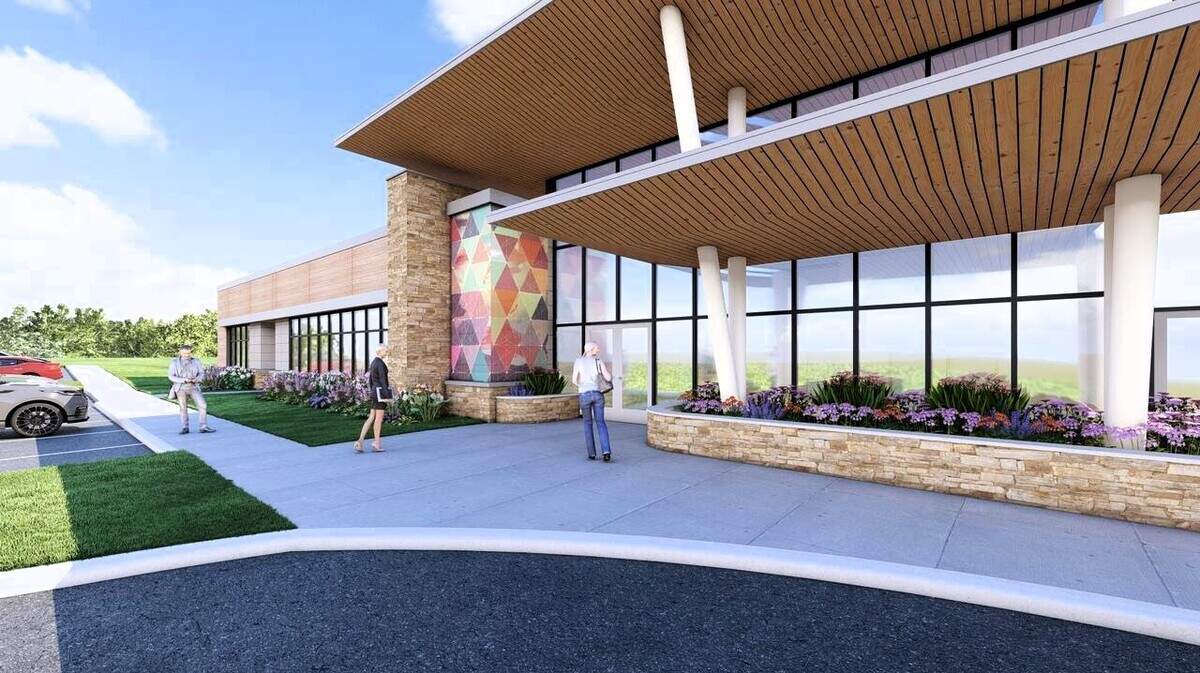
Adults and children facing a behavioral or mental health crisis in Orange County could have a place to go for help by 2027, keeping them out of crowded emergency rooms and jail.
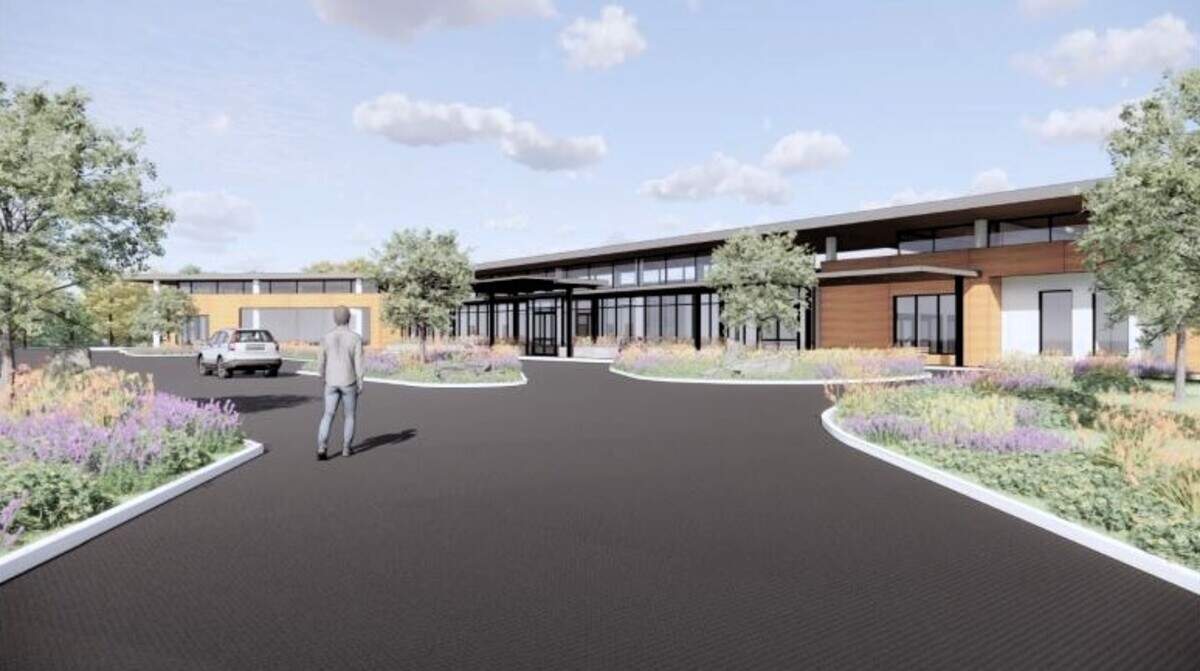
The Orange County commissioners approved a preliminary $27.2 million design Tuesday for a 19,825-square-foot Crisis Diversion Facility next to UNC Hospitals on Waterstone Drive in Hillsborough. The 24/7 center could have 12 short-term bays, including four for children, and 16 longer-term beds, plus conference and resource room space.
A final, “guaranteed” cost is expected in December, County Manager Travis Myren said, and the public could have opportunities to get involved in planning next year.
The commissioners passed on more interesting architectural features to reduce the cost slightly Tuesday, but emphasized a desire to include natural light and create a less-clinical atmosphere.
The facility must be “welcoming to reduce stigma, because people are hesitant to come to a new facility, and a family member or parent might be hesitant to bring their child,” Commissioners Chair Jamezetta Bedford said. “So it needs to be part of that soothing home-like, clean environment, versus institutional the way a hospital is.”

Facility to meet critical community need
The county started looking at options in 2019 after public safety, health and community members identified a crisis diversion center as one of the biggest gaps in the county’s behavioral health and justice systems.
The county formed a Crisis Diversion Facility Subcommittee and partnered with CPL Architects and RHA Health to design the facility. Earlier this year, the county bought the 5-acre site for $1.35 million.
The county will maintain the facility for roughly $2.7 million a year, Myren said. Medicaid and insurance should reimburse an estimated $3 million cost for patient care, but the county may have to pick up anything that’s not covered, he said. A third-party agency will provide clinical and medical services.
It will “provide a more efficient and appropriate response to behavioral health crises,” Myren said, and coordinate discharge planning, so clients leave with resources and follow-up appointments.
Commissioners Vice Chair Jean Hamilton, a retired social worker, urged the board to be realistic about the cost to taxpayers and what the facility will be able to accomplish once people are released from urgent care or a longer-term treatment facility.
“Folks can be stabilized ... but they still need support outside those days,” Hamilton said. “The fact that, in the community, we don’t have the supports is going to be an issue, where we may just get the same people coming in. ... It’s not going to be some magic decrease in the crisis with homelessness.”
There will be costs up front or later, Commissioner Earl McKee noted.
“In talking with law enforcement, a lot of the people that possibly will end up here for treatment are going to end up where we do not want them ... and that’s in jail,” he said. “And the moment they are incarcerated, everything starts to spiral out of control. Their jobs go away. Their families may have to go into assistance, or worse, they break up, and so that is a cost to the community.”
EMS data shows growing problem
The demand for behavioral health services is increasing in Orange County.
Orange County EMS anticipates serving roughly 519 patients with behavioral health issues by the end of this year, compared with 383 patients in 2022. Roughly 8% of the patients were children in 2023, Myren said.
The county anticipates roughly 365 visitors to the center each month, including those who arrive voluntarily and with the help of law enforcement and emergency responders.
It will “provide a lower overall cost of care compared to what we know is expensive emergency room care, and then also help the individual and their families navigate the complexities of the behavioral health system,” Myren said.
The need is great, agreed Elina Banerjee, a UNC senior who works with community and university groups supporting the people experiencing homelessness.
“Key design elements like the coordinated discharge and resource space, behavioral health, urgent care and dual entrances are essential for both public safety and long-term solutions to homelessness,” she told the commissioners.. “Given what I’ve seen in Chapel Hill alone, I believe that the bed and bay counts would be fully utilized and are greatly preferred over incarceration.”
What will the Crisis Diversion Facility include?
- A 12-bay Behavioral Health Urgent Care unit with short-term triage, stabilization, assessment and observation services for children and adults, ages 4 and older
- A 16-bed Facility-Based Crisis unit for adults who need care for more than 23 hours
- A community wing with a peer living room and resource center, where clients can talk, read, use a computer, work on their recovery, and access services.
- A courtyard and “healing garden” in a wooded setting
What are the next steps?
- December 2025: Price and design update
- Mid-2026: Construction could start
- Late 2027: Crisis Diversion Facility could open