‘Better way to care’? Why Raleigh will soon divert some 911 crisis calls
When someone having a mental health crisis calls 911, operators have to make a series of decisions.
Is the caller in danger?
Are others in danger?
Does a police officer need to respond?
Soon they’ll have another question to ask: Should a mental health worker take the call?
Raleigh is putting three licensed mental health clinicians in the city’s 911 call center to connect people in crisis to services that can help them.
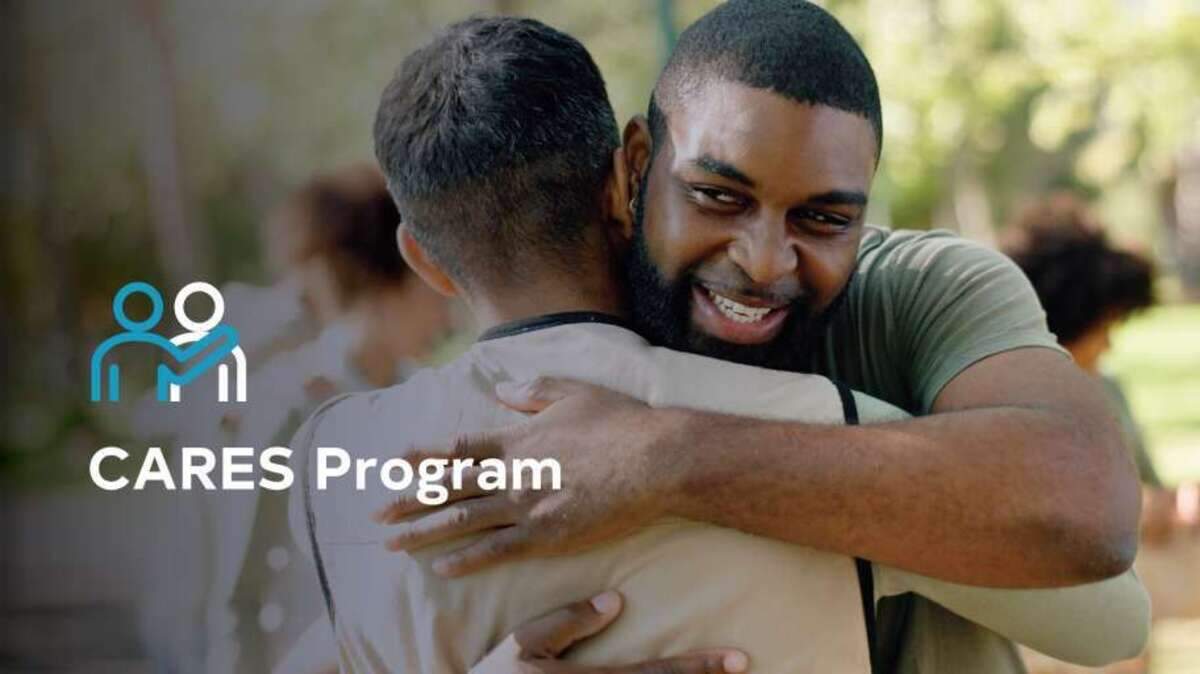
It’s part of the city’s efforts to change how it responds to crisis calls through a program called Crisis Alternative Response for Empathy and Support, or CARES.
The new program means “having someone on the other end of the call to help folks who may not necessarily need an officer to respond,” said City Council member Jonathan Lambert-Melton, who first pushed for the program when he was elected in 2019.
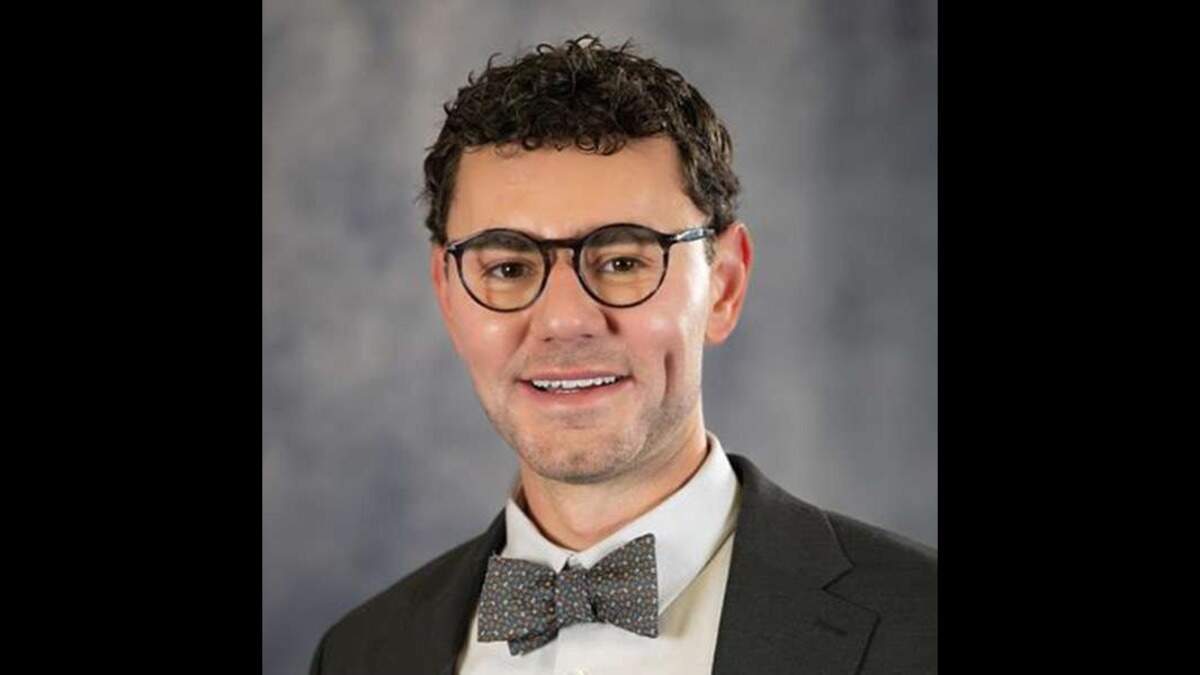
“Sometimes people call for help and they just need assistance,” he said. “I think that’s going to be a better way to care for the community. I also think it’s going to help our officers better focus on crime and safety issues. It’s a better allocation of resources.”
Advocates often point to the deaths of Keith Collins and Soheil Mojarrad, two men shot and killed by Raleigh police officers. Both men’s families say they faced mental health challenges.
The pilot program launches this summer in a partnership with Alliance Health, which provides public behavioral health care in a number of counties including Wake.
“It’s really forward thinking of the city to think about another way to get behavioral health services in the least stigmatizing way out to the citizens,” Sean Schreiber, chief operating officer for Alliance Health, said in an interview. “From Alliance’s perspective, we’re really honored to be a partner in the project, because we think that’s helping the city maintain resources and helping people with behavioral health needs get what they need.”
The City Council approved a $546,114 contract Tuesday, Jan. 21, to put the three employees in the Emergency Communications Center, where 911 operators will refer calls to them from 9 a.m. to 5 p.m. Three should be able to handle the number of calls that come in during those hours, Schreiber said.
At other times, the city’s 911 operators will refer calls to Alliance Health employees outside the center. Those calls will cost an additional $322,244 and may take slightly longer to respond to than calls that come in from 9 a.m. to 5 p.m., said Michele Mallette, Raleigh’s chief of staff.
Calls will only be diverted if there is no reported weapon and no immediate threat to the caller or others.
Community members have asked for alternatives for years, often saying law enforcement officers aren’t properly trained to help people with mental heath crisis.
“We’ve just worked really, really hard, and people have been really frustrated that it’s taken a long time,” City Manager Marchell Adams-David said.
“But I would rather we do it and do it right, than rush to bring something forward that we see some of our neighbors have done, and it’s not worked out too well,” she said. ”And so I feel really strongly that we’ve been intentional and strategic on how the Raleigh CARES program will function moving forward.”
In addition to crisis-call diversion, the CARES program will have
- A “care navigation team” in the housing and neighborhood department to prevent people from becoming homeless.
- a “community response team” in partnership with Wake County that will serve as a mobile crisis service.
The program will also continue to work with ACORNS (Addressing Crises through Outreach, Referrals, Networking and Service), which includes Raleigh police officers and social workers. ACORNS follows up on police referrals and does proactive work to serve people who are experiencing homelessness, mental health challenges and substance-use problems.
This story was originally published January 24, 2025 at 7:00 AM.