
Factor your social media into estate planning
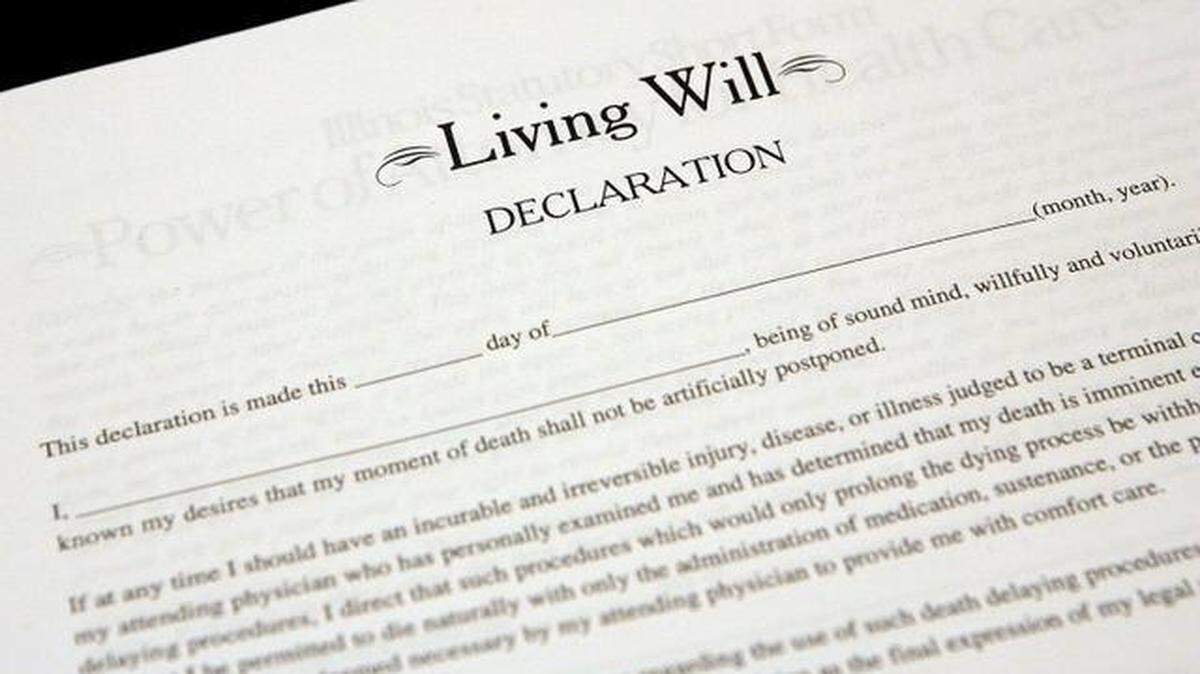
Amid all the online memorials for Robin Williams, and the nasty postings that prompted his daughter, Zelda, to deactivate her Twitter and Instagram accounts, is a new fundamental question that even noncelebrities are beginning to grapple with:
Should I factor my social media presence into my estate planning?
Small-business owners with social media pages tied to their companies, couples who share music accounts, or anyone who wants some control over their online presence from the grave should think ahead about their digital assets, said Jamie Hopkins, associate director of the Retirement Income Program at The American College of Financial Services.
“Whenever you create a digital asset through a third-party service provider, that provider will likely control the terms of service in a customer agreement,” Hopkins said.
So it’s important to know what’s in those agreements, particularly for accounts where you spend significant cash, experts say.
If the agreements disallow transferring music or other online content, for example, simply writing into your will that you want a certain relative to inherit your account won’t do much good, Hopkins said.
Case law is mixed, but Hopkins said most companies are more concerned about identity theft and accounts falling into the wrong hands than about loved ones going into their deceased relatives’ accounts to retrieve pictures and music.
Given that, he said, it’s a good idea to keep passwords and other access information in a spreadsheet where loved ones can access it with your sign-on information and retrieve what they want.
Beyond that, the simple reality is that few people really do much estate planning, and even fewer think about working their digital lives into those plans, said David Goldman, a Jacksonville, Fla., attorney who developed a software tool that manages online assets. Goldman also constructs Digital Asset Protection trusts for clients.
“Honestly, I just don’t think the market is ready for this yet,” he said, noting most people’s reluctance to think about their own demise.
That may be true, but Hopkins offered a couple of basic tips to keep in mind when it comes to managing your online life.
Things to consider
WillsDon’t put passwords, or even websites you have sign-on access to, into your will, Hopkins said. Wills are subject to probate court, which is a very public process, and you don’t want to tip your digital hand to show where you shop frequently online, he said.
Social mediaIf you run a small business that generates a significant amount of traffic or revenue on social media sites, make sure the accounts are registered in the name of the business so the accounts don’t die with you, Hopkins said.
SpreadsheetsThey can be a slog to maintain, but Hopkins said the best way to protect most online data is still informally, by keeping data in spreadsheets and making sure your loved ones have access to them.
“You need to track every website where you have a digital account, from banks to Google and Facebook,” he said. “A lot of people forget they have accounts at places like Home Depot, but they need to remember the websites may have your credit card and other information, and it’s vulnerable to identity theft.”
This story was originally published August 25, 2014 at 10:57 PM.