
When professional fundraisers call, some take big bites from NC charity donations
As North Carolinians open their wallets for charity this holiday season, they might be surprised to learn where some of their money actually goes.
A new report from the Secretary of State’s office shows that when professional fundraisers solicited charitable donations in North Carolina last fiscal year, nonprofits got just 61 cents of every dollar raised. The rest went to cover fundraisers’ expenses, fees and commissions.
Some nonprofits fare well in campaigns run by professional fundraisers. The Save the Children Federation, for instance, got 95% of the roughly $59,000 raised from North Carolinians last year by InfoCision, Inc., an Ohio-based fundraiser.
But in more than 100 fundraising campaigns in North Carolina, the intended charities wound up with less than 30% of the money raised.
One example: A firm named Drink Eat Relax Events LLC collected nearly $1.2 million last year from various beer, wine and food festivals in North Carolina that were intended to raise money for the Spirit of Hope Children’s Foundation.
But the charity, which helps support group homes for people with special needs, got less than 2% of the money, state records show. The rest went to cover the fundraiser’s salaries, commissions and expenses.
Greg Nivens, a promoter for Drink Eat Relax, said the festivals are expensive to produce.
“The margin is very, very small,” he said. “It’s like the grocery business.”
North Carolina law doesn’t specify how much money professional fundraisers have to return to charities, according to the state Department of Justice. But those fundraisers do have to report to the Secretary of State’s office the percentage of money they raise that goes to charity.
A smaller slice of the pie
Charities are receiving a smaller share of donations than they once did, state data reveals. In the fiscal year ending June 30, the percentage of money that charities received from professional fundraising campaigns dropped 15 percentage points from the previous year — and it was the lowest percentage return since 2017.
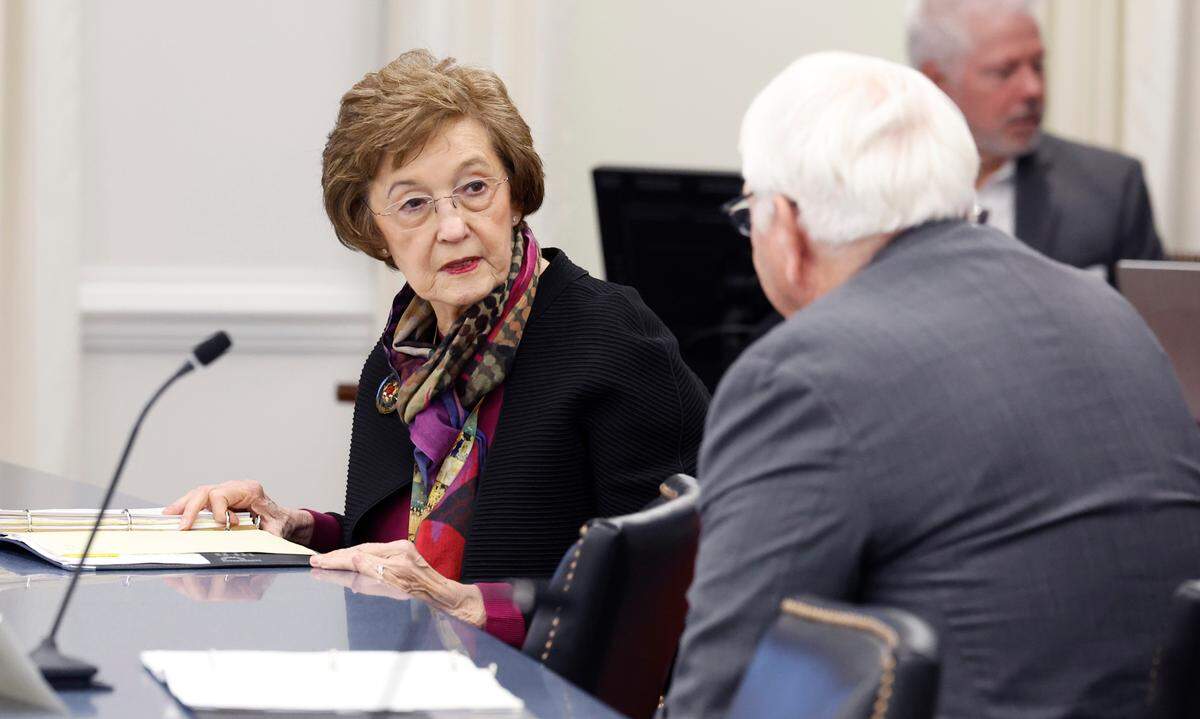
Why charities now receive a smaller percentage of donor dollars is unclear. One contributing factor may be that inflation has made fundraising more expensive, says North Carolina Secretary of State Elaine Marshall, whose office licenses and regulates charitable fundraisers.
“Just as people in their own budgets are seeing a small amount of groceries be $100, charities have been affected by inflationary costs,” Marshall told The Charlotte Observer. “Whether it’s rent, whether it’s postage, whether it’s a publication cost, printing, paper, all that stuff. They have had the effect of inflation hitting them.”
Marshall said she’s troubled that some charities are receiving so little from professional fundraising campaigns. She encourages donors to give money directly to local nonprofits and to thoroughly research charities — including their past fundraising campaigns — before responding to unsolicited fundraising pitches.
“I think most people want to get maximum benefit out of their contribution, and are wanting to see that a larger part of their money goes to the actual good work rather than overhead,” Marshall said, adding:. “People have got to build up their skepticism a little bit and take their time in acting.”
Information on past fundraising campaigns can be found on the Secretary of State’s webpage.
FOP leader: Fundraisers help feed needy families
Despite often low returns, some nonprofits say professional fundraisers are crucial to their missions.
When a Charlotte-based fundraiser called Quality Productions used telemarketers to drum up money for various law enforcement charities last year, the nonprofits wound up with less than 26% of the $662,000 raised, state records show.
Catawba County’s Fraternal Order of Police lodge is among the nonprofits that bank on Quality Productions’ fundraising efforts. The company raised more than $162,000 on behalf of the Catawba FOP last year, but the organization got just 25% of that money — a little over $40,000, records show.
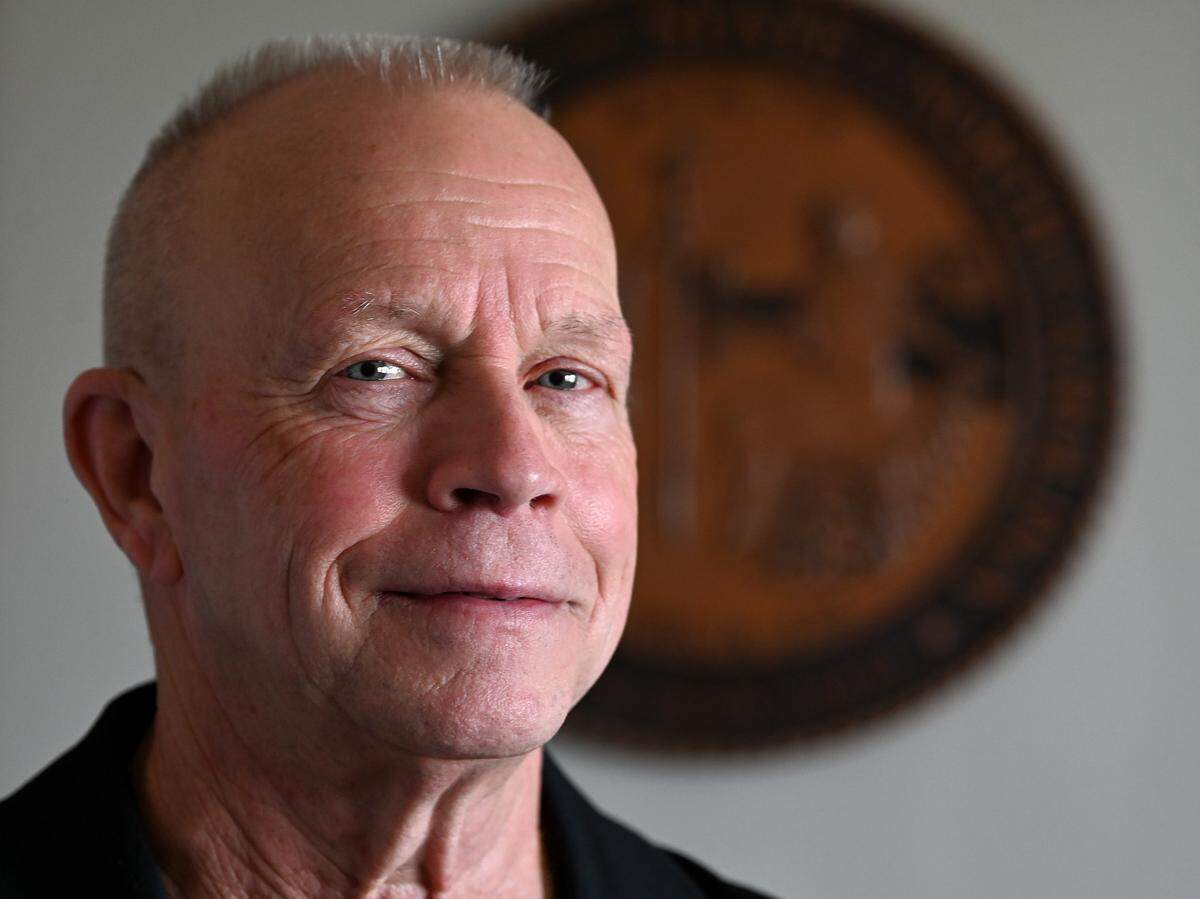
Still, if not for those funds, lodge president Carl Pope said, the FOP couldn’t accomplish a key goal: delivering food boxes to needy families. In November, FOP members delivered 115 Thanksgiving food boxes. The FOP makes similar drop offs in June and before Christmas each year.
“We as law enforcement officers don’t have the time or the capability to call enough donors,” said Pope, a retired state Highway Patrol trooper who now works part-time as a Catawba County sheriff’s deputy. “For us to be able to feed as many people in Catawba County, we have to have someone call donors and keep the records on all of this.”
The Observer reached out to Quality Productions to ask about its fundraising campaigns, but the company did not respond.
Fewer families are giving to charity
The new state report comes at a time of declining charitable giving. Professional fundraisers secured about $27 million in charitable donations in North Carolina last fiscal year — less than half of what they reported the previous year, state data shows.
Marshall pointed to inflation and changes in federal tax rules as possible causes. Nationally, she noted, donations in professional fundraising campaigns appear to have fallen by an even bigger percentage.
The large majority of charitable donations aren’t made in response to pitches by professional fundraisers, experts note.
But the past 20 years have brought a steady decline in the percentage of U.S. households that make charitable gifts through any means. Adjusted for inflation, charitable giving dropped more than 2% in 2023, according to the most recent “Giving USA” report.
Still, North Carolina residents tend to be more generous with their donations than those in most other states, according to research by Indiana University’s Lilly Family School of Philanthropy. In 2020, North Carolinians who donated gave an average of $4,238 to charities and religious organizations — about 36% more than the national average.
Research before you give
Some charities turn to professional fundraisers to help them identify new donors, according to Michael Thatcher, CEO of Charity Navigator, the largest independent evaluator of nonprofits in the U.S. Professional fundraisers tend to have more expertise than charities in identifying the people who are most likely to donate, he noted.
But charities should be willing to explain to prospective donors why they are raising money the way they do, Thatcher said.
“I don’t mind if charities I support have to invest in finding new donors. But as the guy writing the check, I’d like to know what’s going on,” Thatcher said. “If there’s a good reason to use a professional fundraiser, maybe you should keep giving to that charity. If they can’t give you a reason, consider alternatives.”
Philanthropic experts urge donors to continue giving — but to do so wisely.
“To me, the lesson for donors is to ask questions,” Thatcher said.

Juliana O’Rork, a vice president for the Better Business Bureau of Southern Piedmont and Western N.C., offered a few tips for people who are contacted by charitable fundraisers: Ask if they’re a professional fundraiser or if they work directly for the charity. If it’s a professional fundraiser, ask what percentage of the money the charity will receive.
Take time to research the charity before giving. And if it’s a nonprofit you’d like to donate to, consider sending money directly to the charity rather than going through the fundraiser.
“The charity will get more of the money that way,” O’Rork said.
Other tips for smart giving can be found on the Secretary of State’s website.
This story was originally published December 10, 2024 at 5:30 AM with the headline "When professional fundraisers call, some take big bites from NC charity donations."
.JPG)