Do you have to tell ICE, CBP about immigrants in your NC home or business?
AI-generated summary reviewed by our newsroom.
- People in private homes may refuse to speak with ICE or Border Patrol agents.
- Law enforcement cannot enter homes without consent, probable cause or a judicial warrant.
- Agents may enter public business areas; private areas require a warrant or consent.
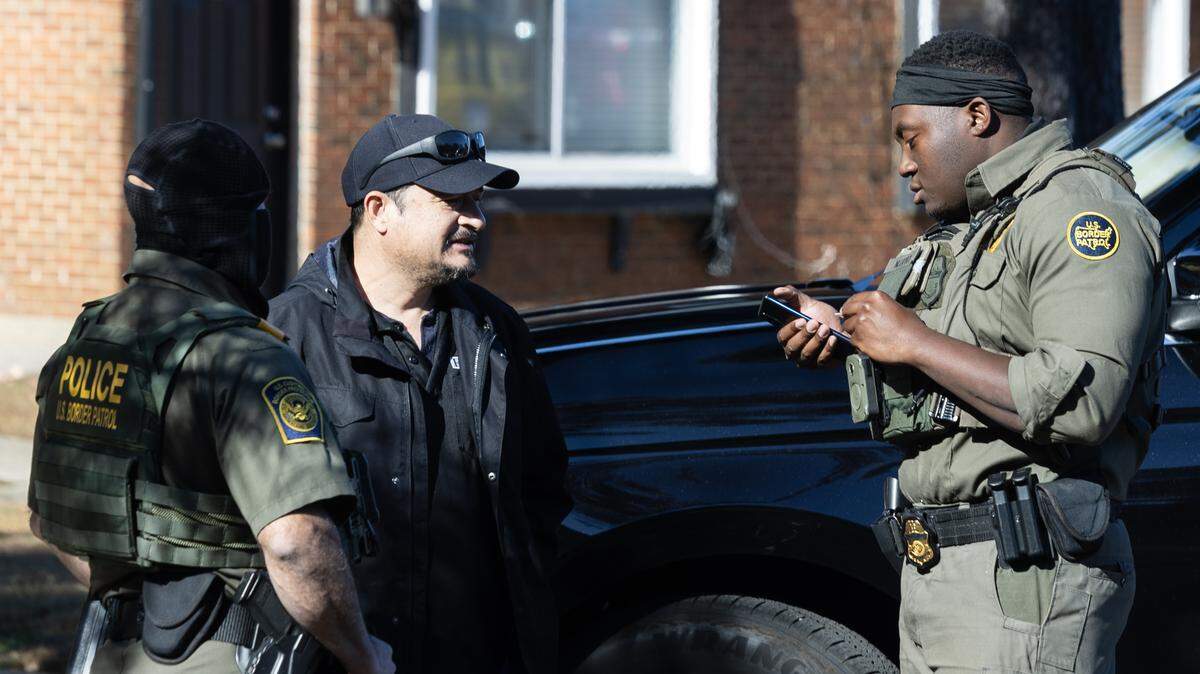
Border Patrol agents have been detaining people at businesses and residential areas across North Carolina in recent days.
Many people in the state have mobilized to speak out against the federal agents’ activity. A protest was organized in Raleigh to call for an end to immigration raids, and an advocacy group in Durham held a news conference to ask Duke University to restrict immigration officials from entering school and hospital buildings.
Those events are in addition to the hundreds of volunteers who helped people get to school and work safely this week.
Immigrant advocates have been encouraging citizens and people in the country without proper documentation to learn about their rights when it comes to interacting with U.S. Immigration and Customs Enforcement, Border Patrol and other law enforcement officers.
The federal agents’ efforts in Charlotte and the Triangle this week are sparking questions about what people can do and say to protect themselves and others.
Here’s what to know about interacting with ICE and Border Patrol.
Do you have to talk to federal agents?
Anyone has the right not to speak with law enforcement officials including ICE or Border Patrol agents, Yesenia Polanco-Galdamez, an attorney at Durham-based Polanco Law, told The News & Observer over the phone.
“Any person in a home, in a private residence, whether they own it or they lease it, can refuse to speak to any authority on the other side of the door,” Polanco-Galdamez said.
If ICE or Border Patrol agents ask a person if they know of someone who does not have legal immigration status, they are not required to answer those questions, Rishi Oza, a partner at Brown Immigration Law, previously told The N&O.
People who have been subpoenaed may be required to speak before a court, however, Oza said.

Do you have to let ICE, Border Patrol in your home or business?
Law enforcement officials are not allowed to enter a home without consent, probable cause or a warrant signed by a judge, Oza said.
The law is more “vague and opaque” about businesses because they are quasi-public places, Oza said.
According to the National Immigration Law Center, agents can enter public areas of a business without permission. But they can only enter private areas, where the public is not authorized, with a judicial warrant or consent.