Judge overturns Silent Sam settlement between UNC and Confederate group
A judge on Wednesday voided the settlement that requires UNC Chapel Hill to pay $2.5 million and give the Silent Sam Confederate monument to the Sons of Confederate Veterans.
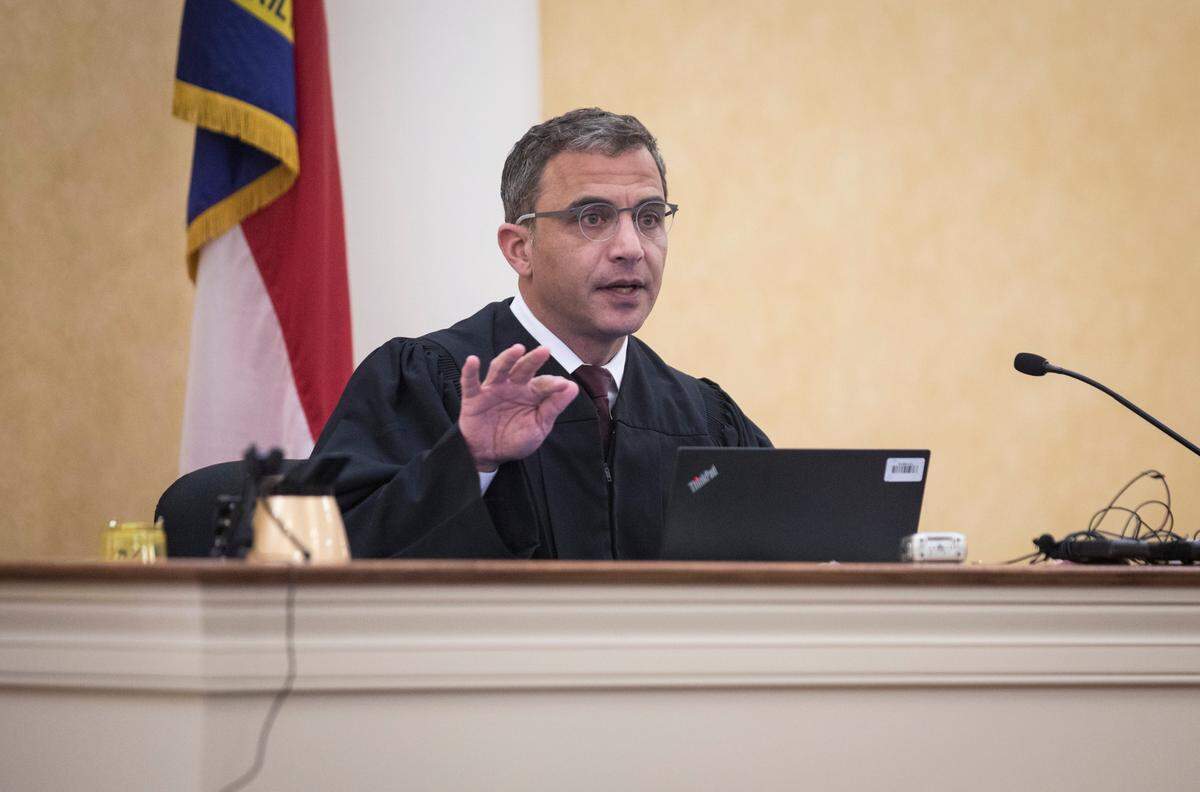
The ruling came at a hearing held to determine whether the Sons of Confederate Veterans had the legal standing to bring the lawsuit against the UNC System over the statue in the first place. Orange County Superior Court Judge Allen Baddour, who approved the settlement in November, reversed himself on Wednesday and said the group didn’t have standing.
Baddour, a UNC graduate, also dismissed the case. He did not explain his reasoning.
The Confederate group has possession of the monument, but now its fate is back in the hands of the UNC System Board of Governors. The board still wants to find a legal solution that keeps the Confederate statue off university campuses.
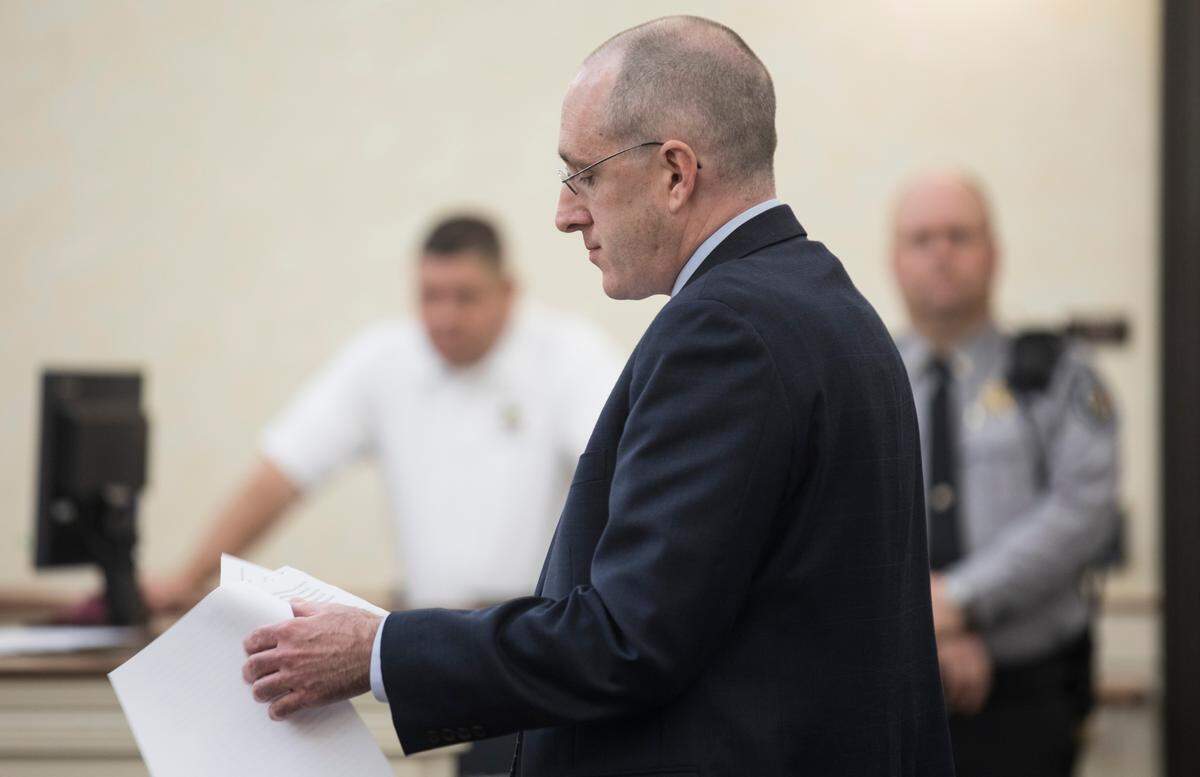
Ripley Rand, a lawyer representing the UNC System and the UNC Board of Governors, said in a statement that the ruling was not the result they had hoped for, but the hearing was fair and they respect the ruling.
“The Board of Governors knew from the very beginning that this was a difficult but needed solution to meet all their goals to protect public safety of the University community, restore normality to campus, and be compliant with the Monument Law,” Rand said in a statement. “The Board of Governors will move forward with these three goals at the forefront and will go back to work to find a lasting and lawful solution to the dispute over the monument.”
“My clients negotiated with UNC in good faith,” the SCV’s attorney, Boyd Sturges, told The News & Observer. “We disagree with and are disappointed in the judge’s ruling today.”
Sturges said given the decision, the SCV would like to see the monument put back up in Chapel Hill.
The group will work on getting the statue back to the university, Sturges said. He said he’s not working with the SCV on other ways to get ownership of the statue.
The arguments presented at the hearing
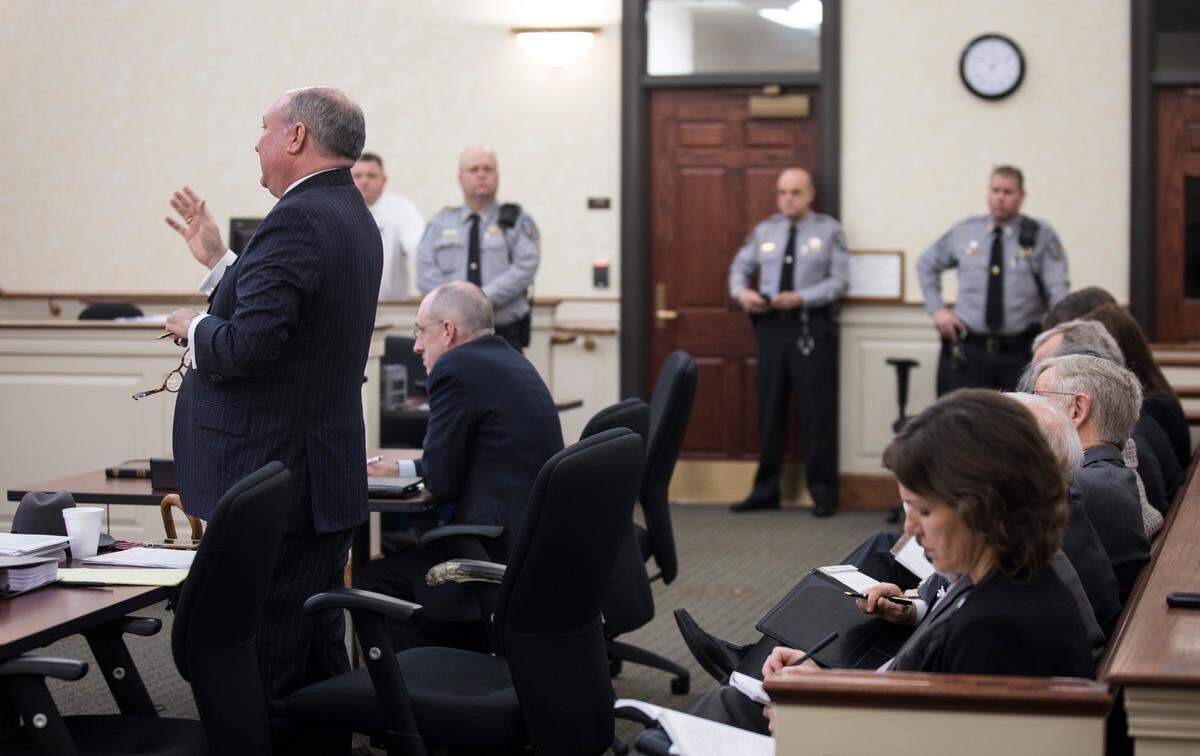
Sturges and Rand argued that the SCV had “colorable standing,” which means a seemingly genuine or legally valid right to get involved with the Silent Sam monument and negotiate in good faith.
Rand said that according to the historical records, the United Daughters of the Confederacy (UDC) made a conditional gift of the statue to UNC that was dependent on the monument staying up. He argued that the UDC owned the monument from the moment it was put up on campus and when that group shifted ownership to the SCV in 2019, that gave the SCV rights to get involved.
Rand and Sturges argued that the SCV wanted the statue to be put back up on the Chapel Hill campus and the UNC System Board of Governors did not. Rand cited a “very high risk of public safety” and compliance with a 2015 state law restricting monument removal as the main considerations in deciding what to do with the statue. That dispute proved there was a real controversy to bring to court, according to Rand.
The two parties came to the agreement to transfer ownership of the statue, create a trust to preserve the monument and keep the monument off of all public university campuses in North Carolina. The court had the jurisdiction to approve the settlement based on the ownership interest, the real dispute between them and the fact that the transaction was between a state entity and a private party, Rand said.
Rand said if the settlement is voided, the only legal option left is for the Board of Governors to put the monument back up.
The hearing happened because a group of UNC students and a faculty member sought to intervene in the case after the settlement became public. In December, Baddour denied their motion to intervene in the lawsuit but scheduled another hearing to discuss the SCV’s rights and the trust in the original settlement.
On Wednesday, civil rights lawyer Elizabeth Haddix argued on behalf of the students and faculty member and Burton Craige represented nearly 100 UNC alumni and donors who opposed the settlement.
Haddix argued that the UDC could not own property, UDC members could not enter into a contract and the words, “may it stand forever,” do not create a condition that UNC broke when the statue was torn down and its base was removed from campus.
“The UDC never owned the monument,” Haddix said. “UNC always owned the monument.”
Haddix also argued that the UNC System and the SCV “acted in concert, not as adversaries” from the beginning and therefore the court did not have jurisdiction to hear this case.
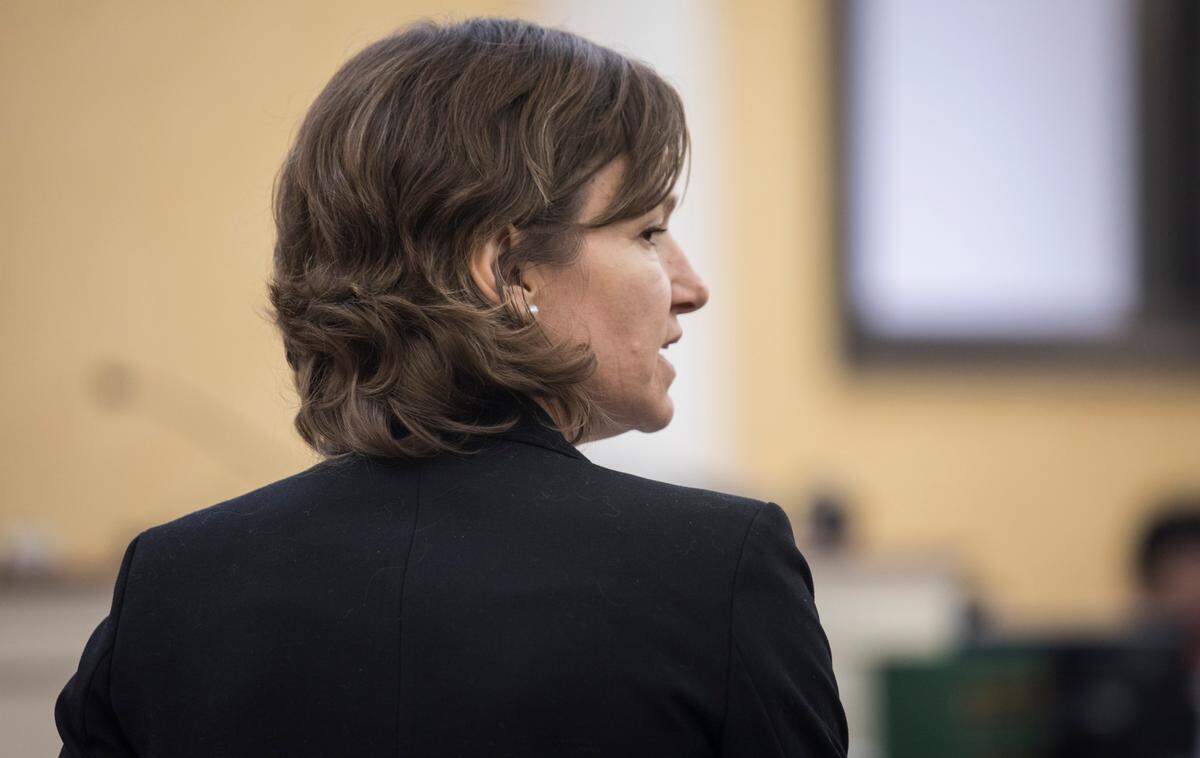
Craige cited a timeline submitted by former UNC historian Cecelia Moore defending the claim that the UDC never owned the Confederate monument.
Craige said only a third of the money raised for the statue came from UDC donations and all the donations went to the university bursar, not the UDC, to pay for the statue. He said UNC entered into a contract with the sculptor, the statue was delivered to the university and UNC installed the monument.
The UDC “can’t make a gift of something it never owned,” Craige said.
Their argument boils down to the fact that the UDC had no authority to transfer ownership of the statue to the SCV, which it did shortly before the settlement was reached, and therefore the SCV has no legal right to file this lawsuit or ask the court to rule on the settlement.
After the decision, Rand asked the judge to dissolve the trust. And Baddour said by vacating the consent judgment that should happen. But Sturges said the SCV has already used $52,000 from the trust for his fees as an attorney in this case.
Baddour requested an accounting that indicates any expenditures by the trust and said the assets should be returned to the UNC System.
In response to a question from Baddour, Rand said he would consult with UNC to determine if the university or Board of Governors want the court to make a decision on what would happen to the statue. They have until 5 p.m. Monday to formally ask for that.
The next Board of Governors meeting is Feb. 20 and 21.
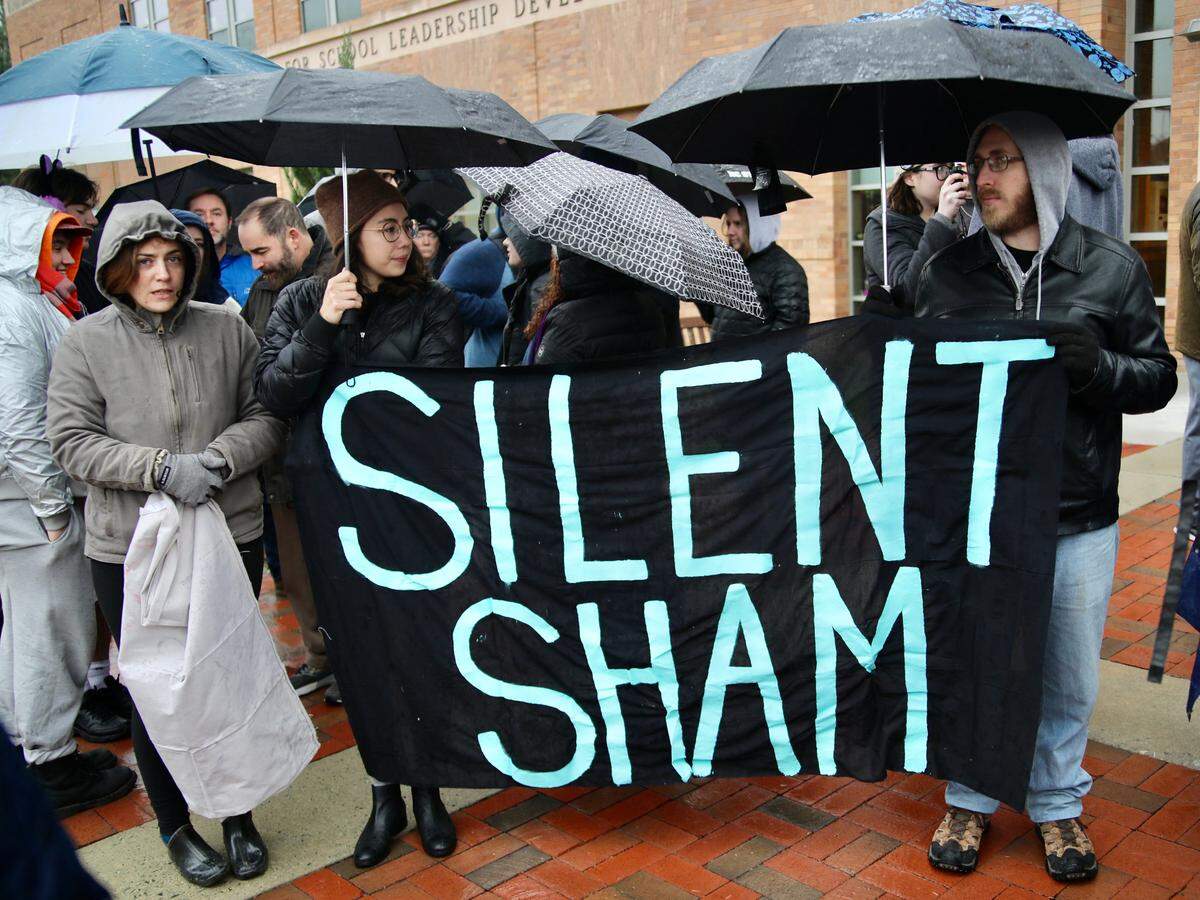
UNC faculty, alumni and students applaud the decision
The decision vindicates a strategy of applying careful, reasoned pressure to an injustice, said UNC law professor Eric Muller, who’s been questioning the legality of the settlement from the beginning.
“This was something that the Board of Governors and the Sons of Confederate Veterans wanted to quietly go away,” Muller said. “And they thought they found a clever way to make it all go away and they wanted no attention to it.”
This hearing proves those injustices can be corrected, Muller said, and that students had the power to “undo something that was plainly wrong from the first moment it was entered.”
Otto White, a UNC Black Pioneer who was in the courtroom, said he was appalled when he heard about the settlement and is happy for the decision to overturn it. The Black Pioneers includes the first generation of African-American students at UNC-CH and were part of the group of alumni and donors represented at the hearing.
“Carolina needs to move towards being a university of the people,” White said. “You can’t make decisions that are against societal good by maintaining a statue like that on the campus.”
De’Ivyion Drew, a UNC-CH sophomore who tried to intervene in the case, said the judge “chose the freedom side” and listened to the voices of students, staff, faculty, and community members who have been fighting the presence of the statue for decades.
“I’m glad the judge made the moral decision today,” Drew said.
She said the ruling proves that the sleepless nights and hours spent organizing protests, sending emails and attending meetings to fight the deal were worth it. She said she hopes it encourages other students or campus communities fighting similar battles to press on and develop a community response.
“It is important and it leads to very big moments like today,” Drew said.
Wednesday’s hearing provided long-overdue truth and reconciliation, said Mark Dorosin, an attorney with the Lawyers Committee for Civil Rights Under Law, the civil rights group representing the UNC students and faculty member.
He said the university has refused to come to terms with its past and this lawsuit is another example of that.
“This one they were willing to pay $2.5 million to avoid having the hard discussion about the legacy of race discrimination,” Dorosin said.
What led to the Silent Sam deal
Silent Sam stood in the heart of UNC’s campus until it was illegally torn down by protesters in August 2018.
The UNC System reached the deal with the SCV after more than a year of debate over what to do with the statue and months of negotiating behind closed doors. During the negotiations, the system also agreed to make an additional $74,999 payment to the Confederate group. That payment is not affected by the court’s decision Wednesday.
The settlement prompted protests from students and faculty who were concerned about public safety. The Mellon Foundation pulled grant money from UNC as a result and the North Carolina attorney general and presidential candidate Elizabeth Warren criticized the deal.
The UNC System set rules for how the SCV can use the $2.5 million fund, which could have included a new facility to house and display the statue. The SCV never released plans for where the statue would go, but the group wasn’t allowed to put it in any of the 14 counties that has a UNC System institution.
Some UNC students and faculty were concerned the money would be spent to promote violence and would make the SCV, as one student described it, “a very wealthy white supremacist organization.”
The Confederate group has denied that it has ties to racist or white supremacist organizations.
What will happen to the Silent Sam statue now?
The Board of Governors will again decide what to do with the monument and this time the public is demanding to be part of the conversation. It’s also clear that the 2015 state law will continue to be at the center of the debate.
The monuments law was signed by former Republican Gov. Pat McCrory and bans removing, relocating or altering monuments, memorials and other “objects of remembrance” on public property without permission from the N.C. Historical Commission. Democratic Gov. Roy Cooper has said the law’s exceptions allow the university to remove the statue for safety reasons, but Rand argued Wednesday that the UNC System doesn’t have enough evidence or an official public safety report to use that exception.
Haddix told reporters after the hearing she hopes the university gets the right officials to declare the presence of the monument a public safety risk.
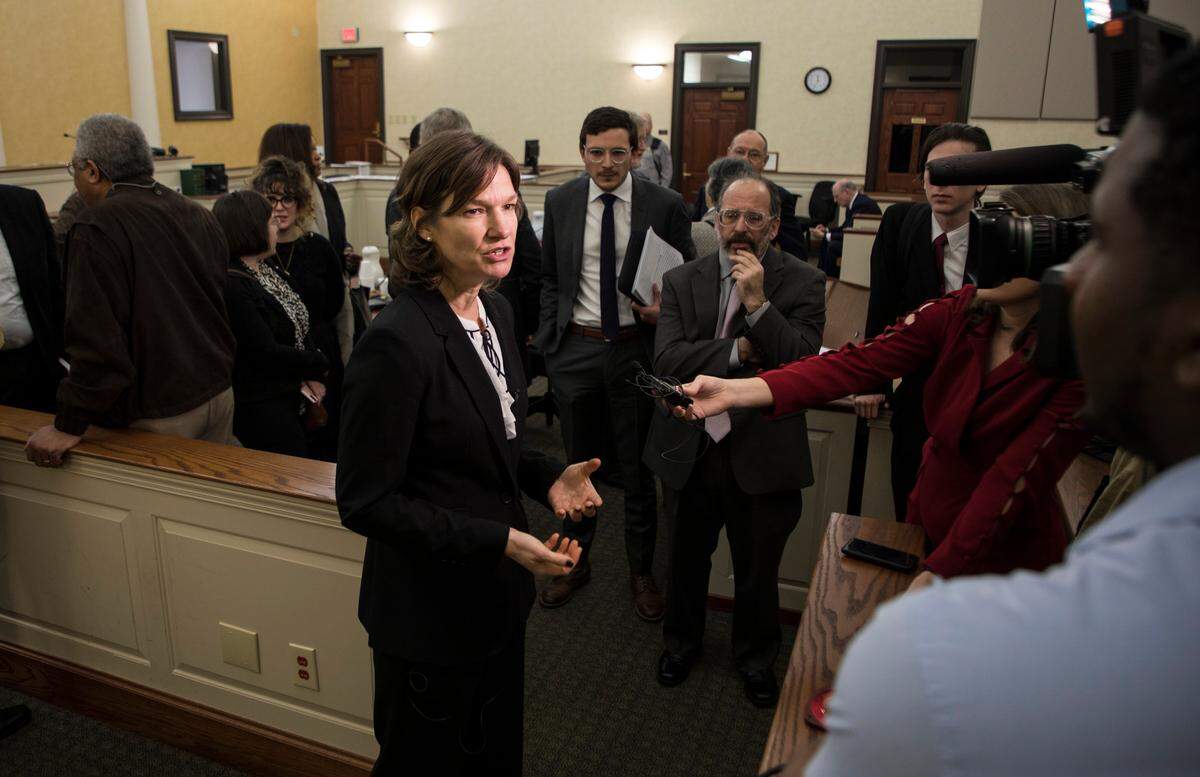
Drew, the UNC student, also wants the university to pursue the public safety exception to the 2015 monuments law to “bring back a feeling of safety and belonging to this campus.”
As a member of the campus safety commission, Drew said she wants to be part of the solution. Drew and other student activists are willing to work with UNC’s newly appointed Commission on History, Race and a Way Forward about what to do with the statue but she said the only way to keep communities across the state safe is to destroy the statue.
“These are people who would have demonized a society that we live in today, that we love today that embraces the diversity and inclusion that is necessary to bring us forward,” Drew said. “It is important that we do not honor those folks in any capacity.”
Craige said this deal was “hatched in secret” by a group of five board members and a new solution should come from an “open and respectful body” that includes UNC trustees, students, faculty, administrators and alumni. He said the 88 alumni and donors that he represents stand “ready to participate in that process.”
Muller said the 2015 monuments law also contains an exception that allows for the removal of an object for its own preservation, and that clearly applies in this case based on the fact that the statue was toppled. He said there are legal options for UNC to remove the monument.
“The more obvious thing to do would be to apply the same creativity to the monuments law that they’ve applied to this settlement,” Muller said, “and come up with a way to keep the monument down and not have to pay a neo-Confederate organization $2.5 million dollars to take it off their hands.”
This story was originally published February 12, 2020 at 11:26 AM with the headline "Judge overturns Silent Sam settlement between UNC and Confederate group."