
Hispanic people more likely to die at home from COVID-19 in North Carolina
About 450 North Carolinians died of COVID-19 at home last year – beyond the reach of supplemental oxygen, medications and round-the-clock nursing care that can save lives and ease suffering.
Hispanic residents in North Carolina lost their lives to COVID-19 at home nearly twice as often as non-Hispanic residents, a Charlotte Observer analysis found. About 11% of Hispanic COVID-19 victims died where they lived, compared to about 5% of everyone else.
That discrepancy is relevant today because the more contagious delta variant is increasing COVID-19 illness and death here, particularly among people not vaccinated. Only 36% of Hispanic state residents were fully vaccinated at the start of August, compared to 41% of everyone else, state data says.
Fear may help explain some of last year’s higher rate of at-home deaths among an often vulnerable 10% of our population, say researchers, doctors and advocates who work directly with Hispanic communities in North Carolina.
People can be afraid of missing time at a workplace that could replace them, financial havoc from big medical bills, immigration status queries and being separated from family inside a hospital, they said.
“There are so many elements that I don’t think many of us could appreciate or identify with,” said David Wohl, an infectious disease specialist at UNC Chapel Hill. “I don’t think it’s a matter of being lackadaisical or not paying attention to one’s health.”
Increased suffering
Facing the final stages of COVID-19 without potentially life-saving medical treatment or comfort care brings suffering, Wohl said.
“The whole idea of dying at home from COVID, to me, is horrifying,” he said.
Symptoms typically start mildly, with a cough, sore throat and headache. By stage four, the critical stage, symptoms become deadly.
Coronavirus invades lung cells. That, and immune system responses to the attack, prevents lungs from absorbing and transporting oxygen to nourish blood. Breathing becomes grueling – like sucking air through a narrow straw.
Patients begin to breathe quicker and quicker. They become winded by something as small as making a bed, Wohl said. It’s like running on a treadmill. “You can only do it for so long,” he said.
Lungs, kidneys, heart and brain begin to fail. Increased carbon dioxide levels can cause delirium and dizziness.
“It’s hard to imagine someone going through all of those stages being deprived of the opportunity to save their life,” Wohl said. “That should be avoided at all costs.”
In hospitals, doctors and nurses give supplemental oxygen to keep the organs alive and medications such as the anti-viral drug Remdesivir to battle the virus. Nurses, meanwhile, keep patients fed, hydrated and comfortable.
Some who get very sick with COVID-19 don’t survive. But many do.
“We have treatments that have saved people’s lives,” said Viviana Martinez-Bianchi, a Duke University physician and professor who works with state officials to better inform Hispanic residents about coronavirus risks.
“You don’t want to give up too early if you can,” she said.
Pockets of problems
Mecklenburg led all North Carolina counties with COVID-19 deaths at home last year, with 45 people in that category, according to state records. Wake County was second with 32 of these deaths, followed mostly by North Carolina’s other large, urban counties.
Not too far down the list was Cabarrus County, northeast of Charlotte.
From mid-March to mid-October 2020 – the height of the pandemic here – the county received 198 COVID-19 emergency calls, said Justin Brines, deputy chief for Cabarrus County Emergency Medical Services.
Most people in the grips of COVID-19 required advanced life support care, such as breathing tubes or masks hooked to oxygen supplies when paramedics arrived. In some cases, they were unconscious.
Twenty times, patients died after county EMS brought them to the hospital, Brines said. Most were 65 years old or older.
But nine times last year, COVID-19 robbed people’s lives at home. Hispanic residents made up 44% of the Cabarrus home deaths - more than three times the state’s average, data show.
Hispanics residents, in general, use emergency services less frequently than non-Hispanic residents do, Brines said.
“I don’t know why people would wait,” he said.
Multiple reasons
Martinez-Bianchi was saddened but not surprised by the Observer’s finding that Hispanics died at home at twice the rate as other state residents, she said.
Many in the community fear going to a hospital because they don’t have legal immigration status here or have undocumented family members, she said. That makes them leery of interactions with others.
There are money worries, too. About 31% of the state’s Hispanic residents are uninsured, according to census data.
And with coronavirus restrictions preventing family members from being with hospitalized loved ones last year, some are simply afraid of being away from people who speak their language.
Many Hispanic individuals who died of COVID-19 last year were deemed essential workers -- people who farmed, cooked, built apartments, or worked in meat processing factories, the Observer reported in June.
That included Rigoberto Cabrera Lopez, who worked in close quarters in a Duplin County meat processing plant before dying while trying to recover from COVID-19 at home in May 2020, his wife said.
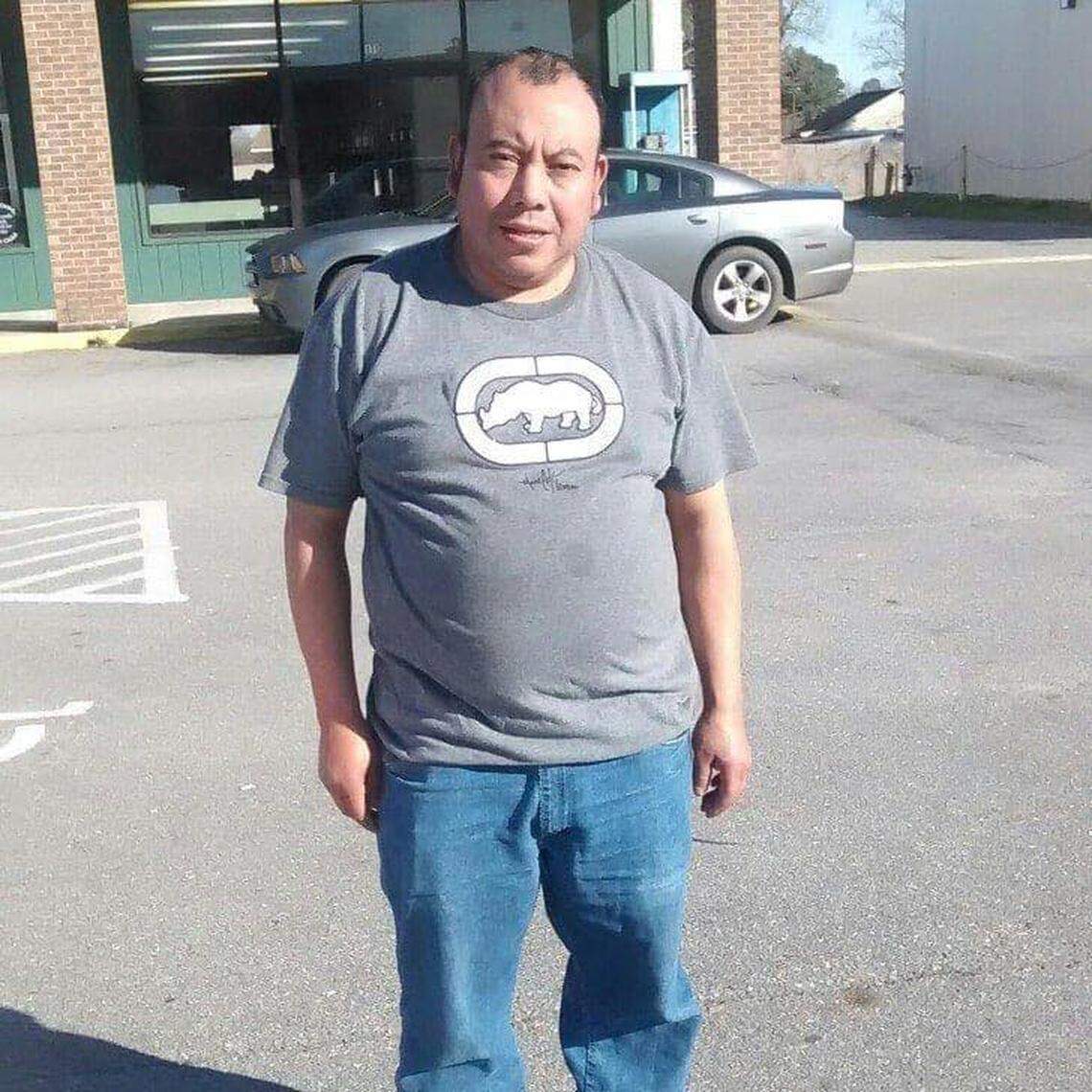
The age discrepancy didn’t surprise Magaly Urdiales, co-executive director of the nonprofit Western North Carolina Workers’ Center. Some of the younger Hispanic individuals who died at home may have been single and living by themselves, sometimes in a space that they rented from an employer, she said.
‘What if?’
Clinicians, public health workers and others are still working to expand the numbers of all North Carolinians vaccinated against coronavirus, which could save lives. Some are taking pains to reach Hispanic residents.
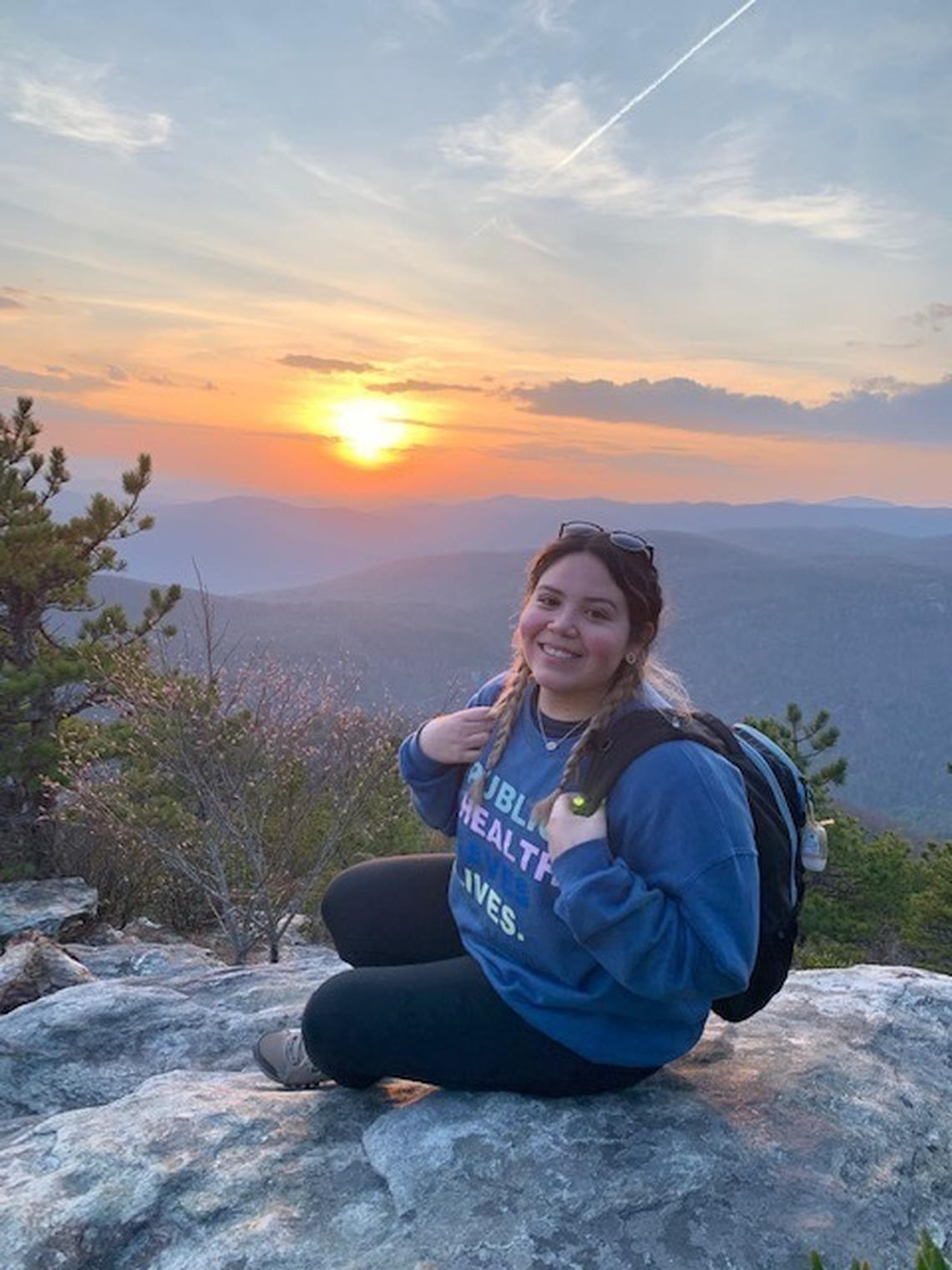
Alejandra Araiza Mendoza, a field intern with the nonprofit Student Action with Farmworkers, once a week attends mobile vaccination clinics held by local health departments and the NC Farmworkers Project in Benson.
They meet across eastern North Carolina, with Mendoza participating in Harnett, Johnston, Sampson and Wayne counties in the last month. They go where workers live, group quarters on watermelon, tobacco and sweet potato farms where sometimes as many as 10 people share a single-wide trailer, she said.
The on-site clinics begin around 8 p.m. and in three hours officials can vaccinate 30 or more farm workers, allowing Mendoza to go home with a sense of accomplishment. Still, sometimes she wonders: What if?
What if agricultural workers who turn down vaccines get sick with COVID-19?
Will they do not act on advice from Mendoza or anyone else who urged them to get medical help if they develop COVID-19 symptoms?
“I know that if these people get COVID, it might be fatal,” said the recent Appalachian State University graduate. “I tried to help, but I just never know.”
This story was originally published August 9, 2021 at 9:54 AM with the headline "Hispanic people more likely to die at home from COVID-19 in North Carolina."