NC controller asks Court of Appeals to block $1.7 billion Leandro school funding order
Updated Nov. 29 with statement from State Treasurer Dale Folwell. and Nov. 30 with motion from Attonrney General’s office
State Controller Linda Combs is asking the North Carolina Court of Appeals to throw out a judge’s order requiring her to fund a $1.7 billion plan to fund public schools.
On Nov. 10, Superior Court Judge David Lee ordered $1.7 billion to be transferred from the state treasury to fund a plan he says will help provide students with their state constitutional right to a sound basic education. Lee is the trial judge overseeing the long-running Leandro school funding court case.
In court documents filed Wednesday, Combs’ office argues that Lee lacks the constitutional authority to appropriate funds. She wants the Court of Appeals to vacate Lee’s order and to block it from being enforced while legal arguments are heard.
“The plain language of the constitution is clear,” Robert N. Hunter Jr., Combs’ attorney, writes in his legal petition. “There was no reason for the trial court to interpret or find within the penumbra of other more general sections of the Constitution the power to appropriate money in the Judicial Branch.”
Lee had ordered Combs, state Treasurer Dale Folwell and state Budget Director Charles Perusse to fund the first two years of a multi-year plan developed by an education consultant. Lee stayed his order for 30 days.
In a statement on Nov. 29, Folwell’s office said it had received authorization to hire its own attorney instead of relying on State Attorney General Josh Stein’s office. Folwell, a Republican, had cited as a conflict of interest how Stein, a Democrat, had issued a legal memo saying the plan could be funded without the General Assembly’s approval.
“In the meantime, we have asked the Attorney General’s office to pursue an extension of time to the order’s 30-day period,” according to the statement from Folwell’s office. “The Attorney General’s office has responded that they are researching the appropriate mechanism and options to do so.”
On Tuesday, Nov. 30, the Attorney General’s office filed a motion supporting Combs’ request for a temporary stay so that the Court of Appeals can review the case “In light of the history and gravity of the issues.” But the Attorney General’s office stopped short of supporting Combs’ request to permanently block Lee’s order.
GOP opposes judge’s order
Combs’ argument lines up with that of the Republican leadership of the General Assembly, which has accused Lee of being a “rogue judge.” But Lee, a registered Democrat, has said the state constitution empowers the judicial branch to intervene when the other branches are not meeting their constitutional obligations.
It’s unclear how soon the Court of Appeals will respond to the request. But the petition could get a favorable response from the court’s Republican majority.
It could also make its way to the state Supreme Court, which has a Democratic majority.
The state controller works with the state’s fiscal officers throughout state government “to ensure the reliability, integrity, objectivity, accountability and efficiency of the State’s fiscal operations.”
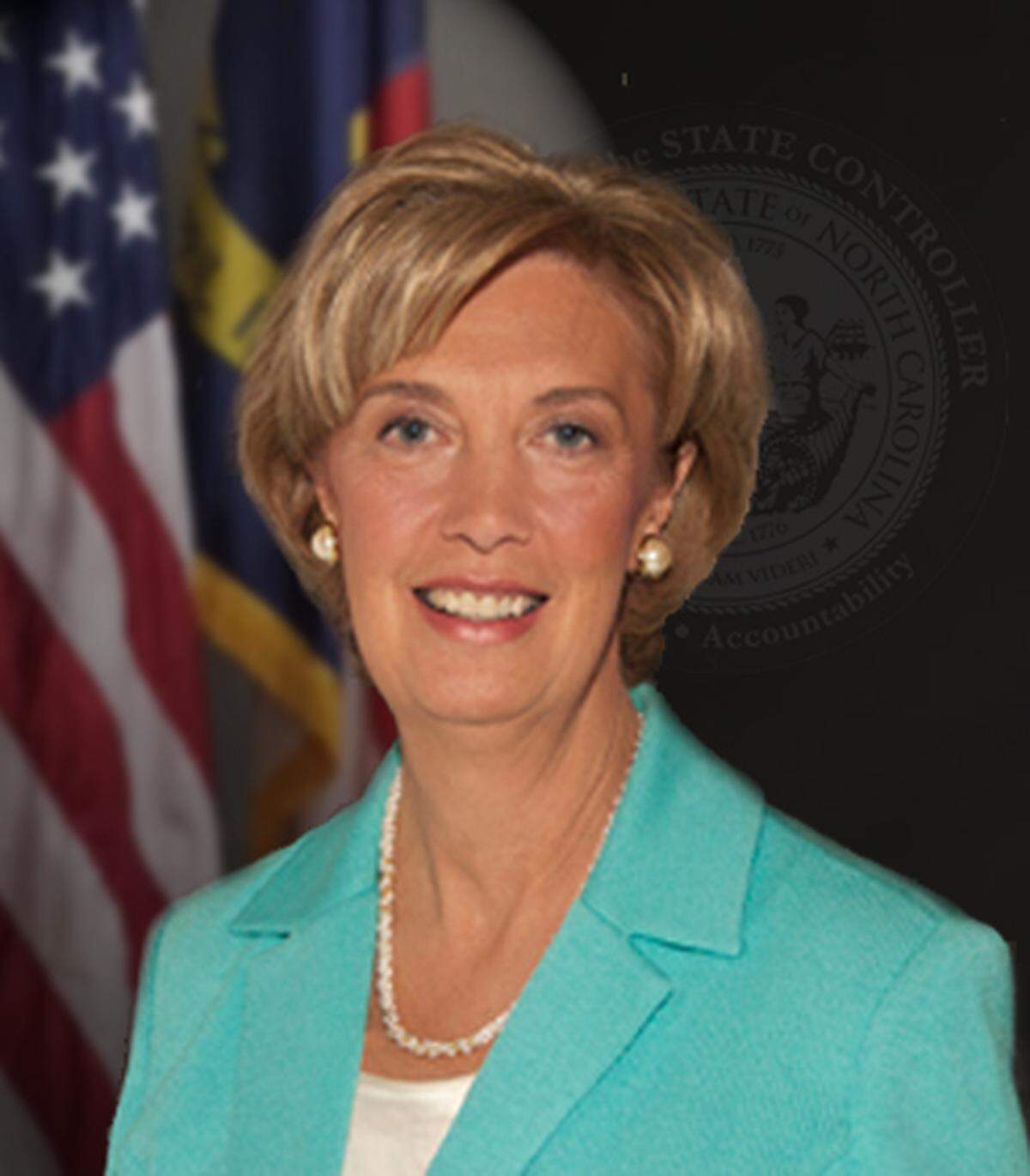
Combs was nominated for state controller by former Republican Gov. Pat McCrory and confirmed by state lawmakers in 2014 and again in 2016. Her term of office runs through 2022.
Combs has also served in three Republican presidential administrations, including as Controller of the United States.
Protecting right to a sound basic education
The Leandro court case was initially filed in 1994 by low-wealth school districts to get more state funding.
Over the years, the state Supreme Court has ruled that the state Constitution guarantees every child “an opportunity to receive a sound basic education” and that the state was failing to meet that obligation. Lee, a retired Union County judge, was assigned the case by the Supreme Court in 2016.
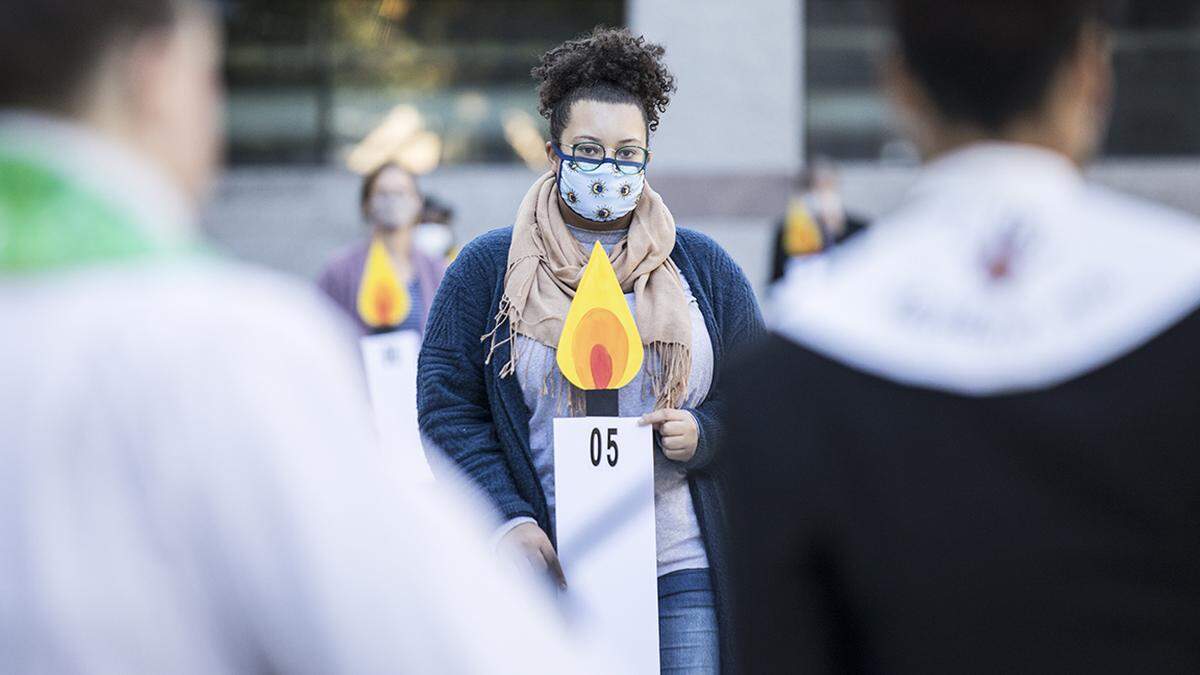
In his Nov. 10 court order, Lee wrote that the courts had waited long enough for state lawmakers to act. He backed a plan that includes things such as pay raises for teachers, more funding for low-wealth school districts and expansion of the N.C. Pre-K program.
“To allow the State to indefinitely delay funding for a Leandro remedy when adequate revenues exist would effectively deny the existence of a constitutional right to a sound basic education and effectively render the Constitution and the Supreme Court’s Leandro decisions meaningless,” Lee wrote in his order. “The North Carolina Constitution, however, guarantees that right and empowers this Court to ensure its enforcement.”
The following week, the General Assembly approved a new state budget that was signed into by Democratic Gov. Roy Cooper that funds about half of the Leandro plan amount. GOP legislative leaders said they didn’t consider Lee’s order to have the force of law so they only funded the items they wanted to include.
Lee could revise his order to require the state to fund what’s not included in the budget.
Court order is a ‘Hobson’s choice’
In the legal filing, the controller’s office gives multiple reasons why Lee’s order should be blocked.
Hunter, a former state Supreme Court justice, argues that Lee had no jurisdiction over the controller’s office because it wasn’t a party to the case or given legal notice to appear before the order was issued.
“The Petitioners are now faced with Hobson’s choice,” Hunter writes. “Either neglect to perform their sworn duties to enforce the law, or be subject to criminal charges or motions to show cause for contempt of court for performing their sworn duties.”
Hunter argues that Combs could be charged with a crime or be impeached if she transferred the money without legislative approval.
“Compliance with this court’s order would violate the Controller’s oath of office,” Hunter writes.
This story was originally published November 26, 2021 at 12:39 PM with the headline "NC controller asks Court of Appeals to block $1.7 billion Leandro school funding order."