With avian flu in NC, is it safe to put out bird feeders? The answer is complicated.
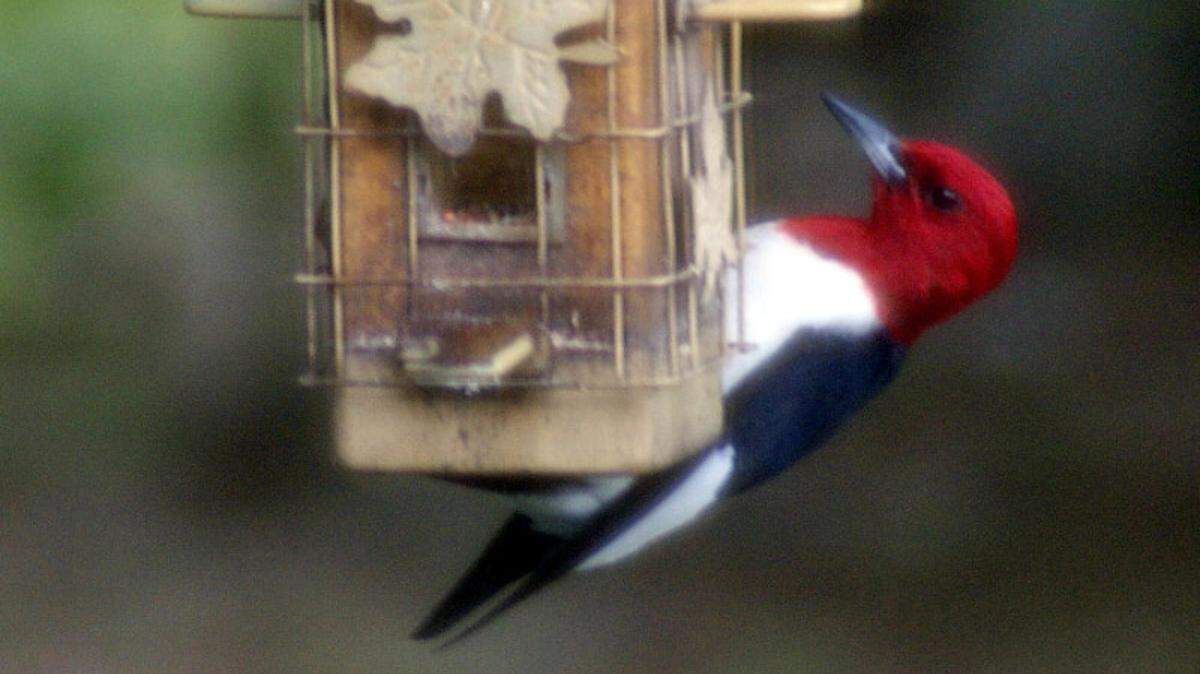
A highly contagious and deadly strain of avian influenza has been identified in North Carolina and around the country, impacting personal and commercial flocks of poultry — and causing concerns about the presence of wild birds in backyards.
The News & Observer previously reported that the U.S. Department of Agriculture (USDA) “has so far determined that every case in the United States has come directly from wild birds.” Wild birds spread the virus to other poultry through the shedding of saliva, nasal secretions and feces, or by touching a surface that has been contaminated by the bird, the Centers for Disease Control (CDC) says.
In response to the spread of the deadly disease, agriculture officials at the state and federal level are urging people with poultry — both small-scale, backyard flocks and large, commercial ones — to take precautions and protect their birds against the virus, including by removing bird feeders from the vicinity of poultry flocks to avoid attracting wild birds.
But if you don’t keep poultry at your home, is it still safe to put out bird feeders and attract wild birds? Could allowing wild birds to congregate at a feeder near your home spread the virus among their populations? After reading The N&O’s previous avian flu coverage, those are questions posed to us by a reader.
To get an answer to those questions, we consulted Matthew Koci, a virologist and immunologist at N.C. State University’s Prestage Department of Poultry Science.
The answer is complicated, and depends on a variety of factors — but here’s what you should know.
How does avian flu spread?
To understand Koci’s answers to the questions, it’s helpful to think about how the avian flu actually spreads, and whether those methods of spread could occur at a bird feeder.
The USDA has determined that every case of HPAI identified thus far has come directly from wild birds. Wild birds can spread the disease among themselves, or they can spread it to domestic or commercial flocks of poultry, such as chickens and turkeys.
The CDC says wild birds spread the disease by:
▪ Shedding the virus in their saliva, nasal secretions and feces.
▪ Contaminating surfaces with the shed virus.
When other, non-infected birds come into contact with the shed virus directly or indirectly, they can then become infected with the virus.
How would avian flu spread at a bird feeder?
Thinking about how the virus spreads, then, Koci said it is possible for a bird feeder to serve as a point of spread among wild birds.
He said the spread could happen through:
▪ An infected wild bird making direct contact with a non-infected bird at the feeder.
▪ Infected wild birds leaving behind poop or other secretions in the area of the bird feeder, which an non-infected wild bird could make contact with.
▪ An infected wild bird putting seeds in its mouth, then dropping them, and a non-infected bird eating after them.
But, Koci said, wild birds are “less susceptible” to the virus than gallinaceous birds, like chickens.
Chickens and other domestic birds face “terrible death” if they come into contact with the virus, The N&O previously reported — which is why removing bird feeders from the vicinity of backyard and commercial poultry flocks has been a bigger topic of conversation and concern.
Should you take down bird feeders to prevent the spread of avian flu?
So, taking all of that into account, should you take your bird feeder down to prevent wild birds from congregating?
That’s where things “get messy,” Koci said — and it depends on whether or not you keep domestic birds at or near your home.
One thing is clear: If you have pet birds or backyard chickens, or live near someone who does, Koci says the answer is a “clear and resounding yes,” and you should remove bird feeders from your home for the time being, until the avian flu is less of a concern.
Where things become less clear, and where there is less agreement among experts, is whether you should remove bird feeders if you don’t keep domestic birds.
▪ In general, the USDA is recommending the removal of bird feeders only if you keep domestic birds. Extension professionals at N.C. State have also recommended that.
▪ But extension professionals at Cornell University recommended everyone take down their bird feeders “until the threat of the disease has passed,” even if you don’t keep domestic birds.
Koci said the decision of whether to keep your bird feeder up to feed wild birds — and remember, this is only if you don’t keep domestic birds — comes down to “more a personal choice of how much risk you’re willing to tolerate.”
Koci recommended thinking about the following criteria when deciding whether to take down your bird feeder:
▪ Do you know what species of wild birds tend to feed at your feeder? Waterfowl are most resistant to avian flu, Koci said, but “other species fall somewhere in between, and we don’t really know which are which.” If you’re concerned about spreading the virus among wild birds, and you’re not sure which species congregate at your feeder, or you think the species could be at risk for the disease, you might take the safer route and take down your feeder.
▪ Do you live in an area with an endangered species of bird? It might be safer to take down your feeder so you can help protect the species and mitigate the possibility of an endangered bird catching the disease.
▪ Does your area have a large population of waterfowl that no longer migrate? Think about “Canada Geese that have turned into Carolina Geese,” Koci said — if the population becomes infected with the virus, it could keep the avian flu here permanently. In that case, “I might consider taking my feeder down for a while,” Koci said.
If you think about those questions and don’t think there’s a big risk for spreading the virus through your feeder based on where you are and the birds that visit your feeder, it’s probably fine to leave your feeder up, Koci said, but you should stay on the lookout for dead and infected birds in your area and know how to report possible cases of the virus.
Warning signs of avian flu
If you decide to keep your feeder up, be on the lookout for these warning signs of the virus in birds, provided by the N.C. Department of Agriculture:
▪ Reduced energy, decreased appetite and/or decreased activity
▪ Lower egg production and/or soft-shelled or misshapen eggs
▪ Swelling of the head, eyelids, comb and wattles
▪ Purple discoloration of the wattles, comb and legs
▪ Difficulty breathing, runny nares (nose) and/or sneezing
▪ Twisting of the head and neck, stumbling, falling down, tremors and/or circling
▪ Greenish diarrhea
How to report suspected cases of avian flu in NC
If you notice birds in your are exhibiting the above warning signs, you should report it right away.
To report suspected cases of avian flu in North Carolina, follow these options:
▪ Contact your local veterinarian
▪ Contact the N.C. State Veterinary Office (919-707-3250)
▪ Contact your local branch of the N.C. Veterinary Diagnostic Laboratory System:
- Raleigh: 919-733-3986
- Elkin: 336-526-2499
- Monroe: 704-289-6448
- Arden/Fletcher: 828-684-8188
▪ Contact the USDA (866-536-7593)
This story was originally published April 14, 2022 at 5:38 PM with the headline "With avian flu in NC, is it safe to put out bird feeders? The answer is complicated.."