
Liv Hospital’s Nuclear Medicine Department Advances Patient Care with Molecular Imaging and Targeted Therapies

Nuclear medicine is central to modern diagnostics and treatment, enabling physicians to observe biological processes at the molecular level. Liv Hospital leads in this field by integrating advanced techniques that enhance diagnostic accuracy and provide innovative therapies, especially for cancer patients.
The Nuclear Medicine department applies the principle of Theranostics, which combines therapy and diagnostics. This approach uses molecular targets for both imaging and treatment, allowing physicians to first confirm a disease target and then deliver localized therapy to the same site.
The Diagnostic Power: Visualizing Function, Not Just Form
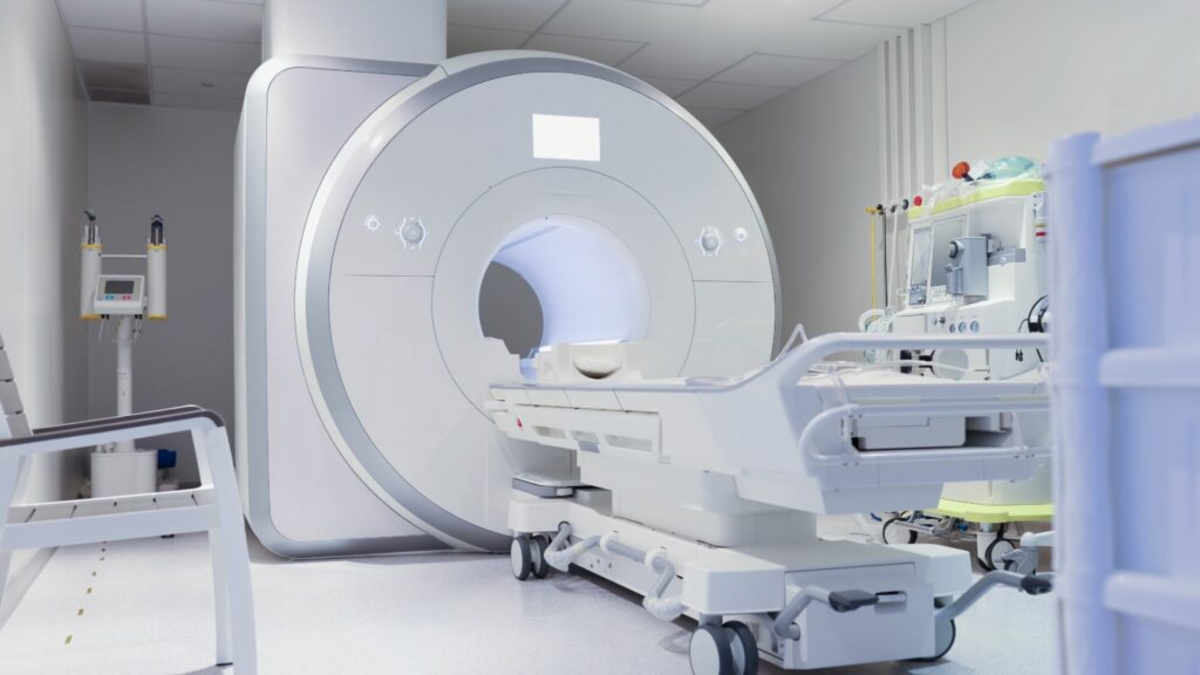
Liv Hospital’s nuclear medicine program is built on advanced diagnostic imaging, primarily using Positron Emission Tomography/Computed Tomography (PET/CT). While CT or MRI scans show anatomical details, PET/CT reveals metabolic function.
A small, safe amount of radioactive tracer, most often FDG (fluorodeoxyglucose), is administered to the patient. The PET scanner then tracks the tracer’s distribution in the body.
This distinction is important because many diseases, especially cancer, have higher metabolic rates than healthy tissue. Cancer cells absorb more FDG, making them visible on scans. This enables physicians to detect disease activity with high sensitivity, often before it appears on other imaging.
At Liv Hospital, PET/CT is widely used and plays a key role in patient management across several specialties:
Oncology: PET/CT is a standard tool for cancer care. It is used for initial staging, monitoring treatment response and detecting recurrence. The scan provides a comprehensive overview, enabling oncologists to develop effective treatment plans.
Cardiology: PET/CT assesses heart muscle function, distinguishing between permanently damaged tissue and viable but underperfused muscle. This information guides decisions about procedures such as bypass surgery or stenting.
Neurology: PET/CT is valuable for diagnosing and managing brain disorders. In Alzheimer’s disease, it identifies patterns of reduced glucose metabolism, supporting early and accurate diagnosis. It also helps locate seizure origins in epilepsy, which is essential for surgical planning.
The Therapeutic Advance: Highly Targeted Radionuclide Treatments
In addition to advanced diagnostics, Liv Hospital specializes in the therapeutic aspect of Theranostics. Radionuclide Therapy uses radiopharmaceuticals that combine a radioactive isotope with a molecule targeting diseased cells.
These therapies are prepared in specialized laboratories and administered in shielded treatment rooms to ensure safety for patients and staff.
A key treatment is Lutetium-177 (Lu-177) PSMA therapy, which has demonstrated significant benefits for patients with advanced metastatic prostate cancer.
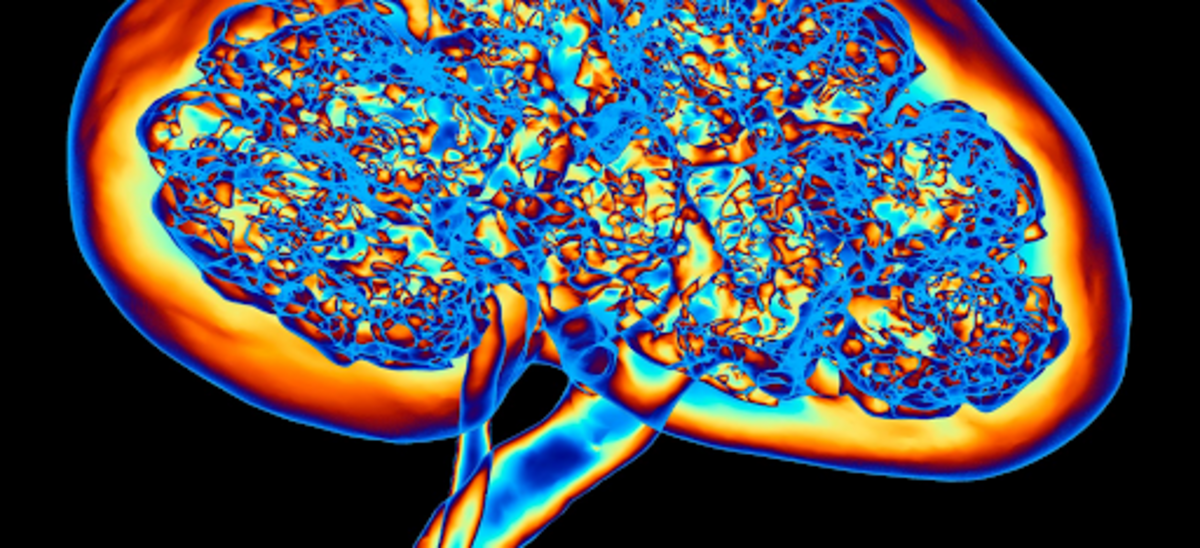
The process is as follows:
1. Target Identification: Most prostate cancer cells express a high level of the surface protein PSMA (Prostate-Specific Membrane Antigen).
2. Diagnostic Scan: Before treatment, the patient first receives a diagnostic PSMA PET/CT scan. This scan uses a tracer that binds to PSMA, confirming that the patient’s cancer cells express this target and showing exactly where they are in the body.
3. Targeted Therapy: If the scan confirms PSMA-positive disease, the patient becomes eligible for treatment. The therapeutic agent is produced by attaching Lutetium-177 to the PSMA-targeting molecule.
4. Treatment Delivery: The compound is administered, typically by IV infusion, and circulates through the body, primarily targeting PSMA proteins on prostate cancer cells. Lutetium-177 emits a localized dose of beta radiation, treating the cancer cells internally.
This targeted approach offers a valuable option for patients whose cancer no longer responds to hormone therapy or chemotherapy, often resulting in extended survival, reduced pain and improved quality of life.
For complex or resistant cases, the center also offers Actinium-225 (Ac-225) PSMA therapy. Actinium-225 is an alpha-emitter that delivers a more potent type of radiation over a shorter distance, providing an additional treatment option.
A similar principle is used in Iodine-131 therapy, a well-established and effective treatment for thyroid cancer and hyperthyroidism that has been safely applied for decades.
The Multidisciplinary Council
At Liv Hospital, these advanced technologies are integrated within a Multidisciplinary Council.
This council meets regularly, bringing together specialists from all relevant fields, including nuclear medicine physicians, medical oncologists, radiation oncologists, surgeons, radiologists and pathologists, to review complex cases.
Together, they analyze all patient data, including PET/CT results and molecular profiles. This collaborative approach enables the team to develop comprehensive, individualized treatment plans that leverage the hospital’s full expertise.
This article is for informational purposes only and does not substitute for professional medical advice. If you are seeking medical advice, diagnosis or treatment, please consult a medical professional or healthcare provider.
Members of the editorial and news staff of newsobserver.com were not involved with the creation of this content. All contributor content is reviewed by newsobserver.com staff.
This story was originally published December 30, 2025 at 4:00 PM.