
At a Greensky Bluegrass show, no two setlists are the same
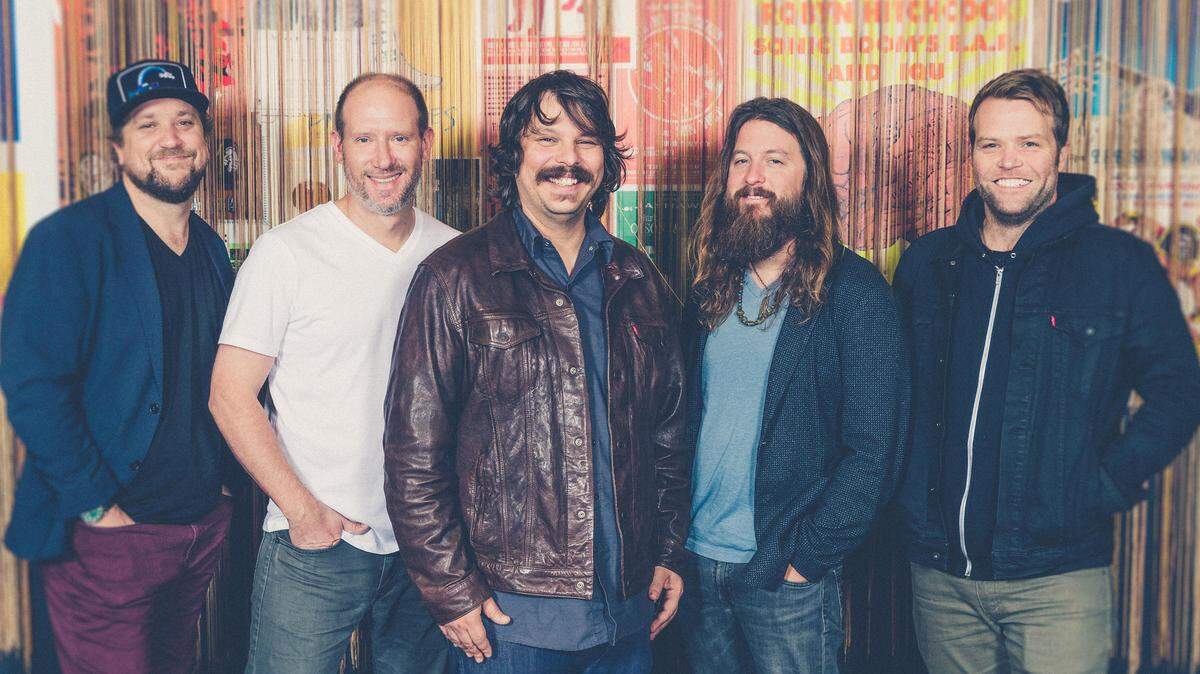
There are a lot of bands who wish they had taken a few extra minutes when coming up with their name. It’s a decision that, if made hastily, can weigh them down for the rest of their careers.
Few band names, however, can downplay the outfit’s talents as much as the name Greensky Bluegrass may unfairly pigeonhole the group’s talents. Sure, there is plenty of bluegrass in their music, but don’t show up at their concert Jan. 25 at the Ritz expecting to see something reminiscent of a Foggy Mountain Boys performance.
“We’re all music fans of all genres: bluegrass, hip-hop, jazz, all sorts of stuff,” explains Paul Hoffman, mandolin player for Greensky. “To sort of follow those creative influences ... forces us to challenge ourselves.”
Challenges are constant presences in the band’s career. After 18 years together, nearly 200 shows a year, and playing a thousand different setlists during that time (more on that below), Greensky is now one of the most requested live acts on the jam band scene working today.
We spoke to Hoffman before the band’s new tour starts up about those setlists, a near-move to North Carolina, and helping opening acts find new audiences.
Q: The current tour is promoting “All For Money,” Greensky’s seventh album, which was just released this month. Dominic John Davis is listed as a co-producer on the disc, but is better known for being Jack White’s longtime bassist. What kind of vibe did he bring to the recording studio?
A: He’s a longtime friend of ours, and he used to be in a band called Steppin’ In It that were a big influence on us early on, so really the greatest thing he added was his familiarity. He didn’t take us into some left field that we weren’t ready to go into, because he knows the band so well. To have someone in there that you can trust to be an advocate for your ideas, as well as be helpful with creative little things like where to place the microphones, it was more comforting than having some producer in there only wanting to throw curveballs at us.
Q: The album was recorded in Asheville. With the jam band scene that city is known for, did it feel more like home than a strange city?
A: It did, and it’s funny, because in the early days of the band, we actually talked about moving to Asheville. We thought it would be a good career move, and a good life move; our music would have a better chance at being accepted there, and we thought we’d just really enjoy living there. We didn’t end up moving there, but from early on, there was just this pull toward Asheville that felt like home. It’s a community that is familiar with traditional bluegrass, while also being interested in our progressive ideas.
If we went somewhere that we have never spent any time, like some recording studio in North Dakota, it may have felt special to us after the fact. It was nice to make a place that felt special feel even more special by recording an album there. We lived there for 25 days this past year, spending a lot of time in between the four walls, and the folks we met there are just good people.
Q: You guys have different supporting acts for various stops on the new tour, with each of them making names for themselves on the jam band scene. How does it feel to be at a place in your career where you can give fellow performers more exposure by putting them in front of your fans?
A: It feels awesome; there’s the short answer.
We’re granting more exposure to these guys than we were able to a couple of years ago, but it’s been a few years now since we figured out that we can take a band out with us on the road that we like for an entire tour, instead of just using a local opener that we don’t actually know every night. Using the local opener is nice sometimes too, because you’re meeting musicians you didn’t know before, and getting a little flavor for the town that you don’t get when you’re traveling with the same guys every night.
It’s great to be able to expose our fans to music that we enjoy. We discuss this at length as a band, where we curate the opener, and it’s not just something that our management picks based on being able to sell tickets. It’s rare, in the past couple of years, for that opening band to be someone that we weren’t already friends with. Even when it skews quite different from us, it’s our decision on how the first step of the entire show goes; when it works, and our fans dig them and they gain new fans, it feels great.
Q: One of the numbers that jumped out of your bio was that you’ve played roundabout 1,000 different setlists now together. That sounds great if you are a fan and go to multiple shows, but as musician do you ever have those nights where you wish you could just sleepwalk through a performance?
A: Yeah, it’d certainly be easier sometimes. We put a lot of work into it, and it can be pretty daunting sometimes. We just played four nights in Chicago, nine total sets, and it was something like 90 different songs. The New Year’s [Eve] show was over 200 minutes of music, at the end of playing four straight nights. Those [setlists] were really hard to write...but we’re not doing different setlists just for the sake of being different; they still have to be our show. We limit ourselves on how many covers we’re playing, and don’t just sprinkle in random songs in order to keep it different. We’re really trying to make it work in a creative way, to make it where each night is a unique Greensky experience.
It can get pretty intense, mathematically speaking, but at the same time it allows us a lot of fun musically. We get to do all sorts of different stuff, and playing the same songs over and over doesn’t sound that fun to me. Sometimes we don’t play a song for a month, and then when we return to it, it feels new and fresh. It’d be hard to feel that when it’s something you’re playing every night.
Details
Who: Greensky Bluegrass with Cris Jacobs Band
When: 8 p.m. Jan. 25
Where: Ritz Raleigh, 2820 Industrial Drive, Raleigh
Cost: $25
Info: RitzRaleigh.com or 919-424-1400