‘Keeping our story alive.’ New Chapel Hill film festival honors the Black experience
A new Chapel Hill film festival will showcase and honor parts of the Black experience Saturday, but the filmmakers also want to inspire people from all walks of life to tell their stories.
Both are about the future of filmmaking in North Carolina, said Michael Washington, organizer of the inaugural Chapel Hill Black Film Festival.
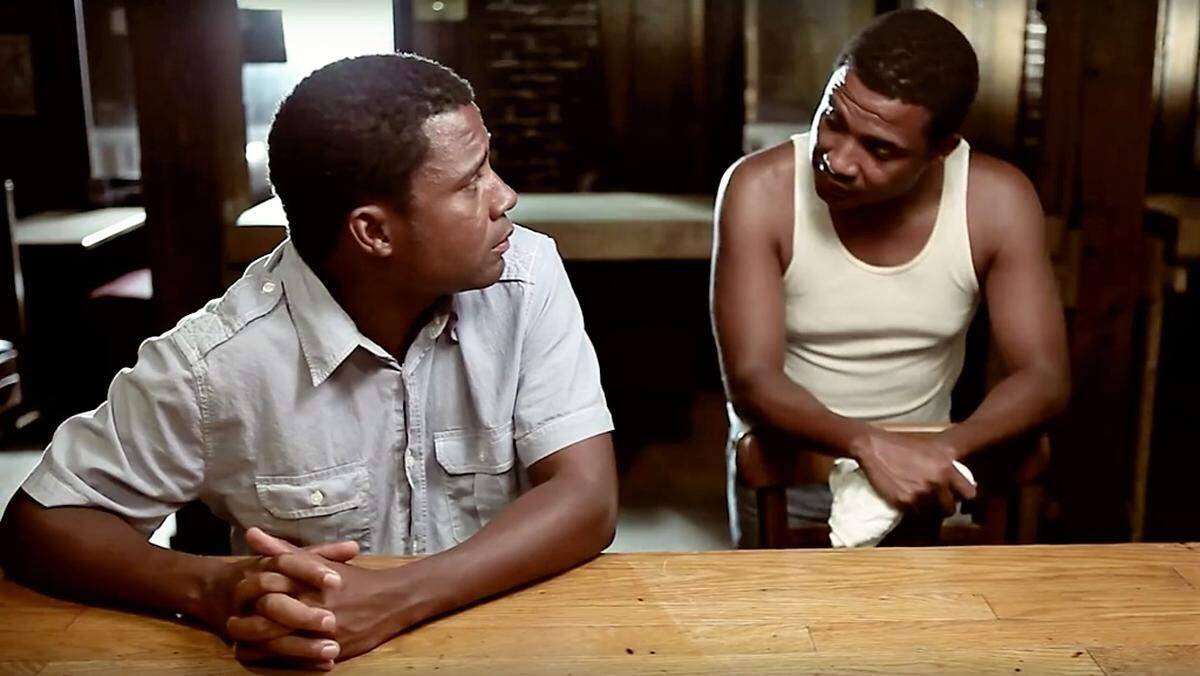
Washington will share the festival screen with fellow filmmakers Christopher Everett, the Durham producer of the award-winning “Wilmington on Fire,” and Mike Wiley, the one-man force behind “Dar He: The Lynching of Emmett Till.” The day will close with a screening of Washington’s 2021 release, “Save the Dad Bod” — a personal look at why men don’t go to the doctor.
“The three films you are seeing at the film festival are from people who did not take no for an answer,” said Washington, chief executive officer of Argyle Rebel Films. “They kept on fighting. They said, ‘I’m going to tell the story regardless,’ and they got people together, and they did it.”
The festival starts at 1:30 p.m. Saturday at the Varsity Theatre on East Franklin Street and features panel discussions following each film. Lana Garland, director and curator of the Hayti Heritage Film Festival, also will join the panel discussions.
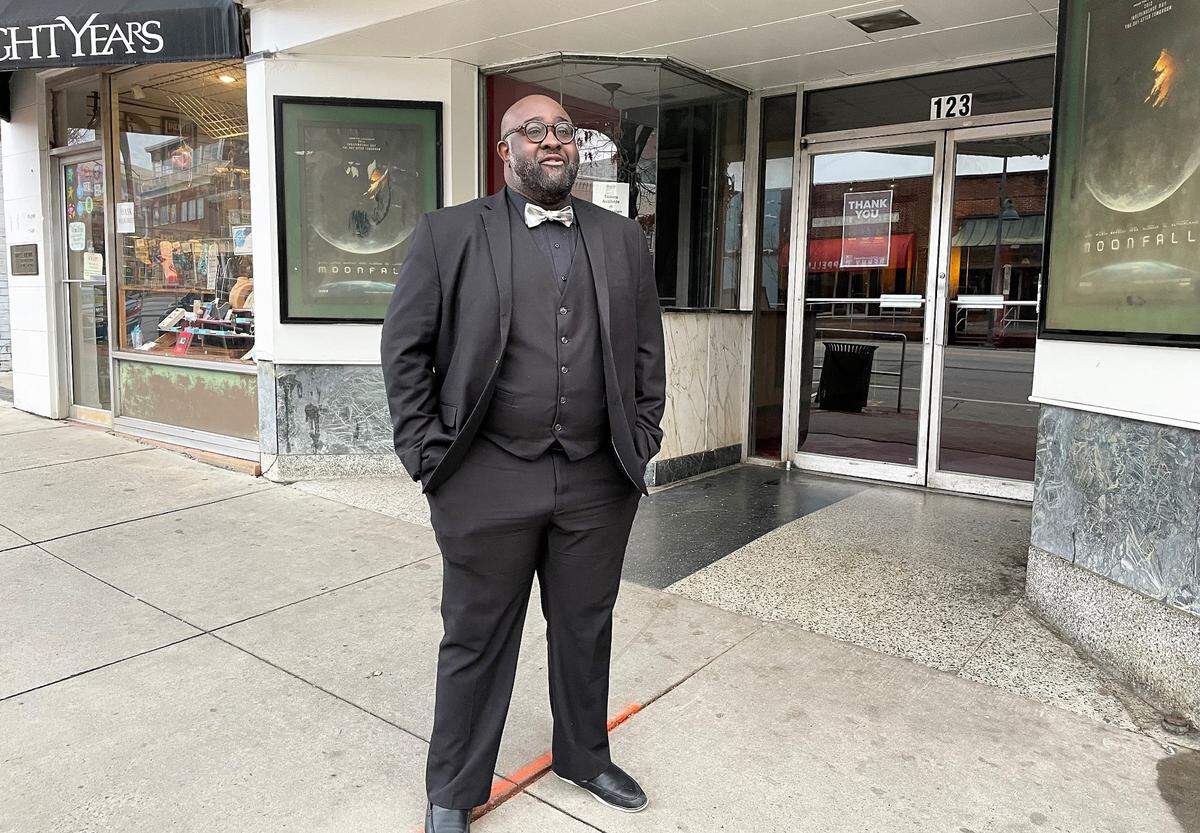
It’s not the first Black film festival in North Carolina, or in the Triangle. There’s the celebrated Hayti Film Festival in Durham and the twice-yearly Diaspora Festival of Black and Independent Film at UNC’s Sonja Haynes Stone Center for Black Culture and History.
But no one has hosted a Black film festival in the Town of Chapel Hill before, Washington said. Organizers hope to make this an annual event, said Washington, who graduated from UNC-Chapel Hill in 2009. UNC’s Black Pioneers, which includes some of the first Black students to attend the university, is presenting the event.
“They’ve impressed upon me the legacy of always giving back and helping to transform the culture for the future using the skills that we have and keeping our story alive,” Washington said.
New generation of storytellers
People of color share a tradition of passing down stories from generation to generation, Washington said. Wiley adds that BIPOC (Black, Indigenous and people of color) filmmakers need to have a voice, because “the nuances that go into those stories and the telling of those stories can’t be imitated.”
“It uncovers a truth in telling the stories,” Wiley said. “A truth in the stories that when you see them or hear them and experience them, there is an authenticity to it that rings true to audiences of color, as well as perhaps even audiences that have not experienced that particular culture.”
If people don’t tell their own story, someone else will — and they might get it wrong, Washington said. Or, he said, no one will tell it at all.
“Diversity of thought, meeting people who are different than you, and telling the story of how we’re all connected, telling those individual moments, make the best stories,” Washington said.
One young filmmaker with stories to tell will make his debut with a short film Saturday.
Wiley’s 13-year-old son, Jordan, will show his film, “Roll On,” during one of the panel discussions. It’s “a more modern take on” the French film, “The Red Balloon,” Wiley said, as he proudly shared the story of Jordan picking up a camera at a young age and using it to make YouTube videos and commercials for his summer lawn-mowing business.
“It’s really astounding what he’s able to do with an iPhone and an iPad for editing,” Wiley said. “I had to use two VCRs and a big ol’ camcorder when I was his age, and it took much longer and there was much less finesse in it.”
Rebuilding NC film industry, opening studio
The long-term goal, Washington said, is to open a new Triangle film studio in the next three years and give emerging filmmakers access to the equipment, financing and marketing necessary for success.
“North Carolina (has) everything — great people, we have great food, we have beautiful scenery. We have everything you need to tell amazing stories,” Washington said.
The state had a strong film industry for many years until its incentives program expired in 2015 and was sharply reduced. The state film industry tanked, shedding jobs and revenues. Other states stepped in, including Georgia, which now has one of the nation’s largest film industries outside of Hollywood, offering tax incentives, skilled workers and production facilities.
North Carolina has slowly rebounded, with filmmakers spending at least $409 million in the state in 2021, Gov. Roy Cooper said in August. Projects range from network and streaming TV series to feature-length films for major studios and made-for-TV flicks.
The hope is that a renewed focus on tax incentives and workforce training will continue that rebound in North Carolina, putting even more local talent on and behind the screen, said Everett, founder of Speller Street Films.
“That’s what I’ve always been advocating to the state is you should be investing more in folks like us, because a lot of times people get their experience working on these types of films,” he said.
The new studio will help by providing opportunities the filmmakers didn’t have growing up. The festival will generate scholarships for one aspiring filmmaker or film group each year. The first scholarship is sponsored by Nuevo Taco in Durham.
“When I was first starting out as an actor and playwright, my influences were your Spike Lees of the world or your Matty Riches or John Singletons — folks that were using their credit cards to make their dreams come true,” Wiley said.
Everett noted that his first project, “Wilmington on Fire,” is still being screened six years later and has inspired a second documentary about the people working to “bring the city of Wilmington out of that shadow of 1898.”
“Wilmington on Fire II” was especially inspiring to make, he said, because it not only showed the people making a difference in their community, but also “the power of what the first film did.”
“To me, when I started doing the second one, it made me realize the importance of the film and why I did it in the first place,” he said. “It also showed me that you don’t have to be in Hollywood to make a difference.”
If you go
The Chapel Hill Black Film Festival is Feb. 12, with doors opening at 1:30 p.m. Tickets are $25 to see all three films: “Wilmington on Fire,” “Dar he: The Lynching of Emmet Till” and “Save the Dad Bod.” Each film will be followed by a panel with the filmmaker. Go to chbff.com for details.
This story was originally published February 10, 2022 at 8:55 AM.