Beach music season is approaching in The Triangle. Where to get your shag on.
AI-generated summary reviewed by our newsroom.
- Beach music season returns to the Triangle with scheduled performances.
- Midtown Beach Music Series begins April 16 with 15 different bands.
- Beach music originated in the ‘40s with a style rooted in early R&B and soul.
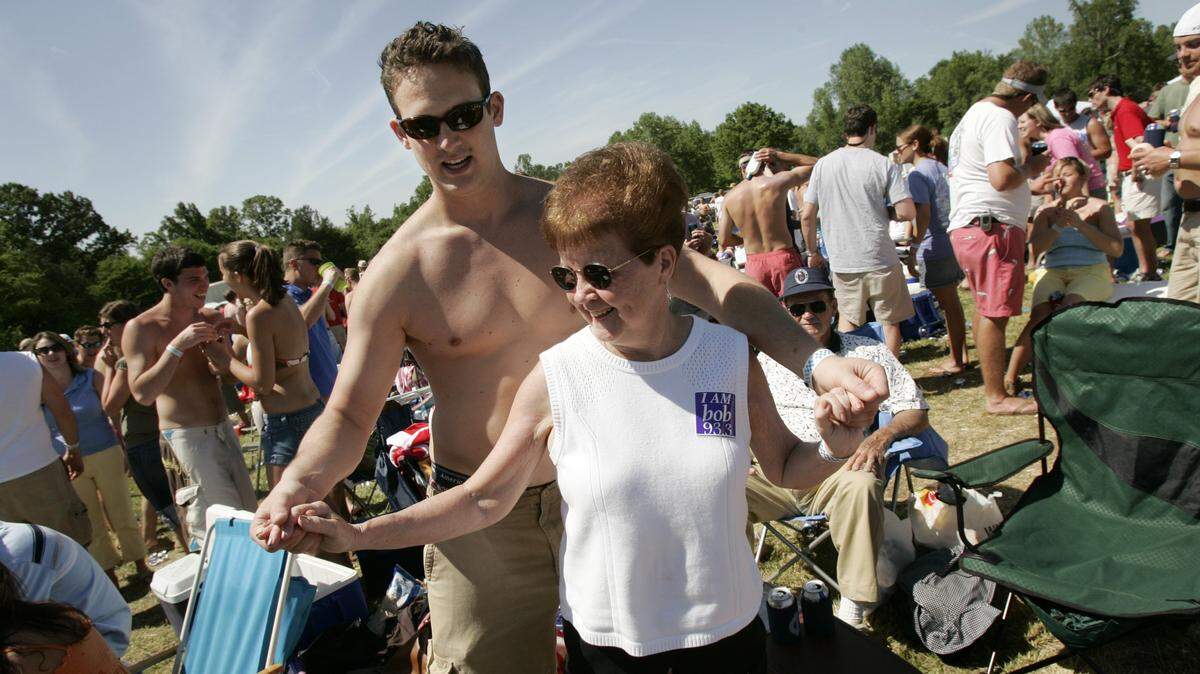
The Carolina-grown, soulful sound of beach music returns to the Triangle this week for another summer season of blues and grooves.
With a boatload of performances on the horizon sure to attract veteran fans and new listeners alike, here’s what you need to know.
What is beach music?
Defined by its pop-soul feel and a tempo reminiscent of the doo-wop tunes of the 1950s, beach music provided a summer soundtrack for the Carolinas and Georgia through the 1960s and ‘70s.
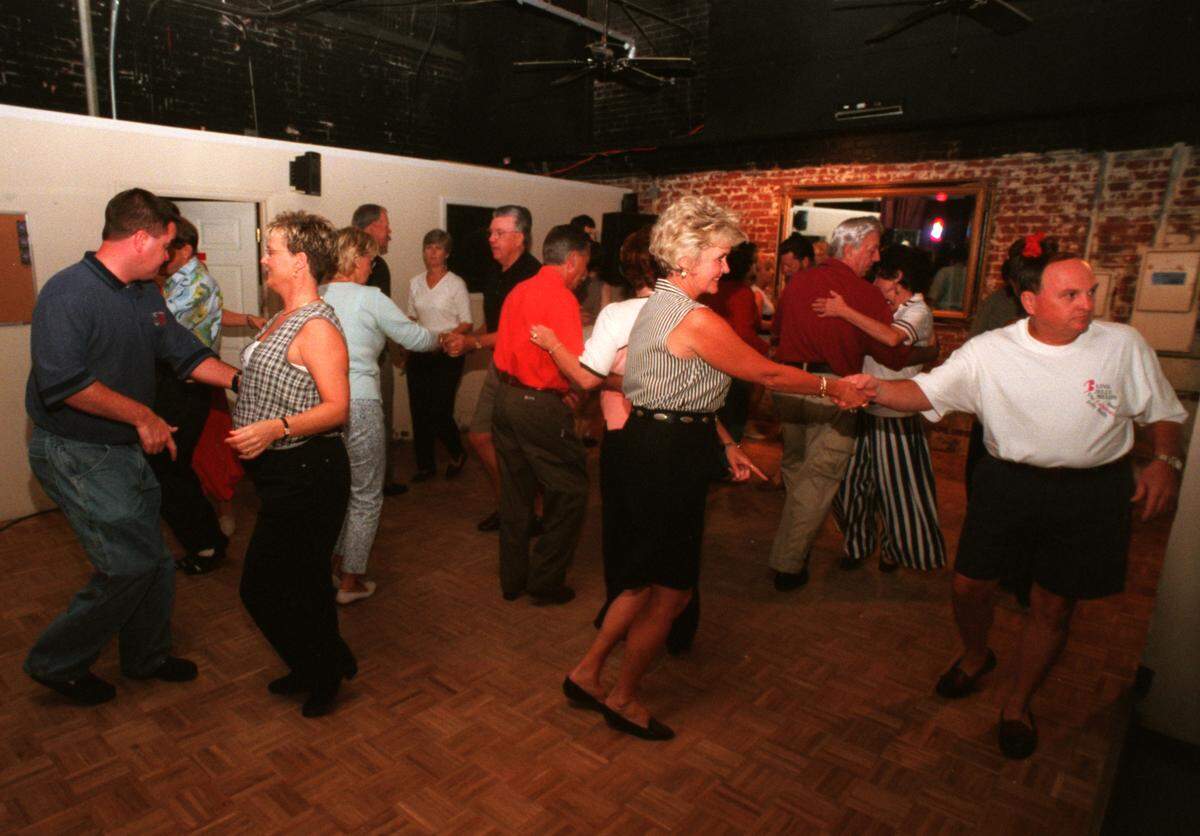
The genre got its roots from early R&B influences and paved the way for the signature “Carolina shag,” known as the “swing dance of the South.”
Shagging, named the official state popular dance of both North Carolina and South Carolina, is a high-tempo, swing-liked dance primarily performed to beach music that evolved from the jitterbug and jump blues dances, according to the N.C. General Assembly.
What is beach music’s history and how is it different from soul?
Beach music first evolved in the late 1940s and began to gain popularity in North Myrtle Beach, South Carolina, and Carolina Beach, North Carolina, into the mid-’50s.
According to Brendan Greaves — the owner and founder of independent, North Carolina-based record label Paradise of Bachelors — segregation prevented many white listeners from hearing music from Black artists. But at beachside clubs on the Carolina shores, white teenagers vacationing in the coastal south flocked to Black venues to listen to popular music from Black soul and R&B artists.
There, the inventive music from bands like The Tams and the Platters gained a new audience, and propelled their music into wider popularity, later named “beach music.”
Greaves, based on research he published as part of a UNC graduate program with colleague Mike Taylor, found Black musicians rarely called their own music beach music. But the term was popular with white musicians emulating their style with new tunes. Grieves said the term became a “nostalgic designation” to describe music suitable for shag dancing.
“Beach music exists because shag dancing exists,” he said. “And when you dance to beach music, you’re shag dancing, so it’s this cyclical thing.”
Prominent southern radio stations, like WLAC in Nashville, played the hits on the airwaves in the ‘60s and ‘70s, with DJs spinning records they thought had a good tempo for shag dancing.
Beach music also saw a major revival in the 1980s, with bands like The Embers and the Chairmen of the Board attracting a prominently Southern fanbase with their blues hits.
Where can you find beach music in the Triangle?
Local musicians and beach music fans are gearing up for the 17th season of the Midtown Beach Music Series in Raleigh, which will host 15 different bands like the Embers, Band of Oz and Blackwater Band across a four-month concert series paying homage to the signature Carolinian tunes.
The performances will take place at Midtown Park in North Hills from 6 to 9 p.m. every Thursday night beginning April 16.
But if you can’t make the concert series, some local clubs like Loafers Beach Club offer beach music with shag lessons and a dance floor for seasoned shaggers to show off their moves.
Remembering a local icon in beach music
Howard Douglas Winstead Jr., a beach music Hall of Fame singer and trumpeter, died in a crash on Saturday in Dunn, the News & Observer previously reported. He was 67.
Winstead was a member of the Band of Oz — originally known as the Avengers when it was founded in 1967 in Grifton — and was inducted into the Carolina Beach Music Hall of Fame in 2021. The singer was also a songwriter of the year nominee.
Winstead was driving a Chrysler Pacifica minivan on Interstate 95 North in Harnett County when he failed to reduce his speed and hit the rear of a tanker truck around 2:15 a.m., according to the North Carolina State Highway Patrol. He died on the scene.
The Band of Oz member received an outpouring of tributes from beach-music fans and bands sending support to the music group and family.
“We are deeply saddened by the loss of our friend, Doug Winstead,” beach music band the Catalinas said on Facebook. “Our prayers are with Deanna Winstead, The Band of Oz, and the entire beach music community, and all the lives that he touched for many years.”
This story was originally published April 18, 2026 at 12:02 PM with the headline "Beach music season is approaching in The Triangle. Where to get your shag on.."