North Carolina could feel like Florida or Mexico in a generation, researchers say
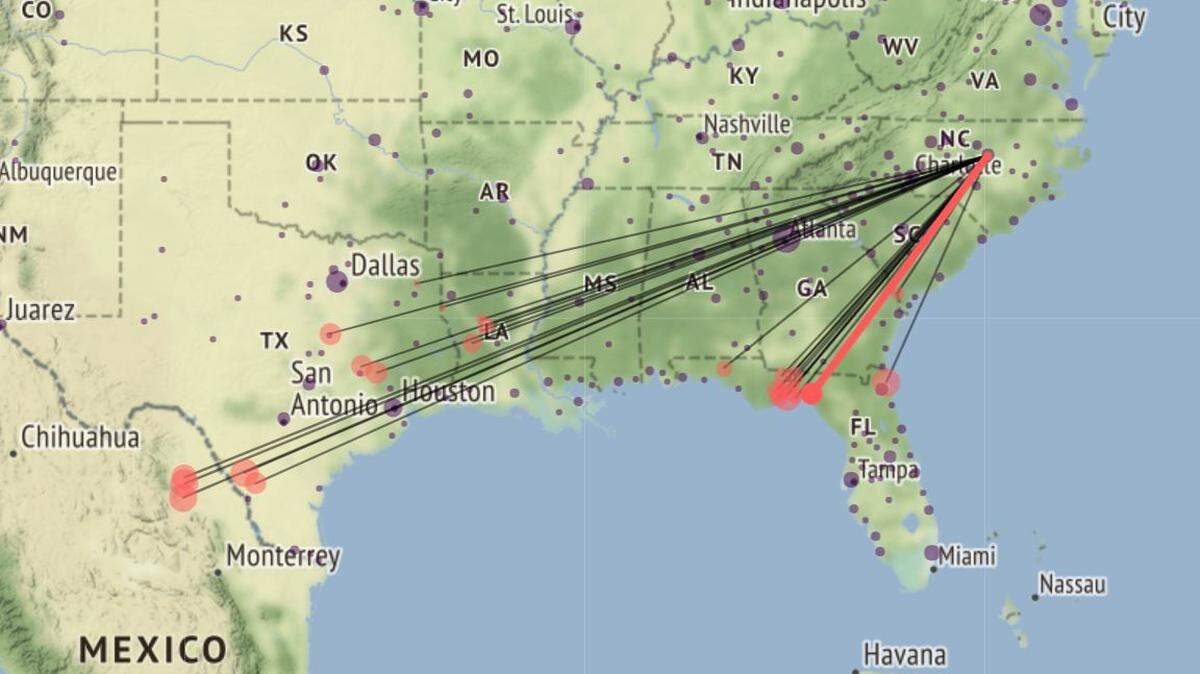
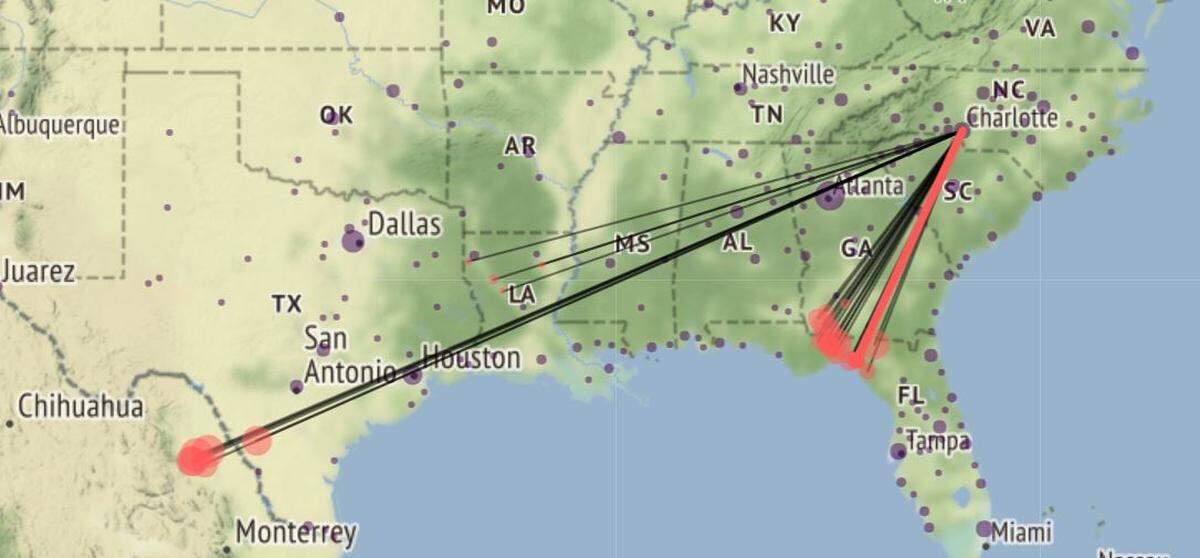
North Carolina will likely feel like the Florida Panhandle or possibly like northern Mexico within a generation, according to a new interactive climate change map developed by researchers at the University of Maryland and North Carolina State University.
In a paper released with the map, the researchers said they modeled 540 urban areas in the United States and Canada to show what the climate will be like in 2080 both with and without slowing down global carbon emissions.
“Within the lifetime of children living today, the climate of many regions is projected to change from the familiar to conditions unlike those experienced in the same place by their parents, grandparents, or perhaps any generation in millenia,” the researchers write.
San Francisco could feel like Los Angeles, and LA may end up feeling like somewhere down in Baja, Mexico, according to the predictions. Washington DC will most likely feel like the middle of Mississippi, the researchers found.
If the world is able to slow carbon emissions as laid out in plans like the Paris Agreement, Raleigh would feel more like central Louisiana instead of Tallahassee, Florida in 60 years.
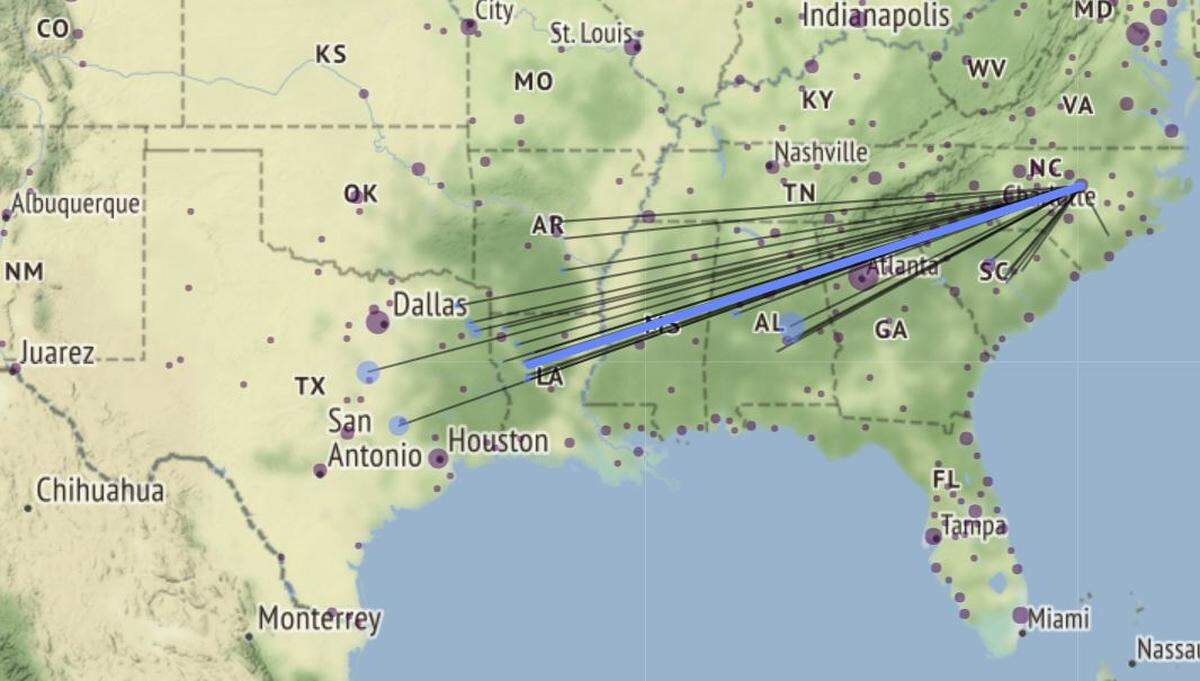
The purpose of the map, the researchers write to introduce the interactive tool, is “to help the public understand how climate change may impact the lives of a large portion of the population of the United States by matching the expected future climate in each city with the current climate of another location, providing a relatable picture of what is likely in store.”
“While scientists share great concern for the expected severe impacts of climate change, the same is not necessarily true of the general public,” the researchers note.
Most people can’t relate to a statement like “a 3 °C increase in mean global temperature,” they explain, so the researchers hope the map will help make those technical concepts easier for people to apply to the real word.
“Translating and communicating these abstract predictions in terms of present day, local, and concrete personal experiences may help overcome some barriers to public recognition of the risks (and opportunities) of climate change,” they write.
The researchers, University of Maryland’s Matt Fitzpatrick and Robert Dunn from North Carolina State University, published their findings this month in the journal Nature Communications. They explain that they used weather data from 1960 to 1990 for their baseline, and averaged existing predictions for what climate change could mean with and without reducing carbon emissions.
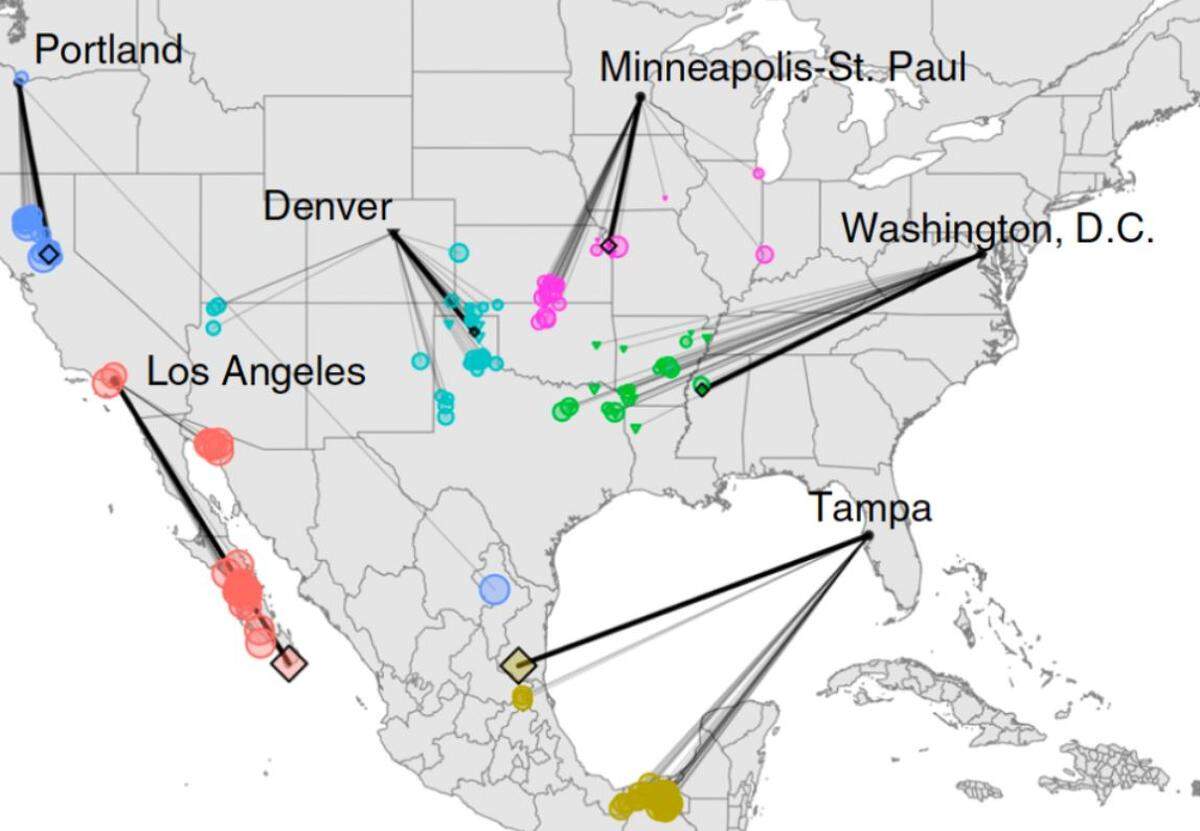
“By the 2080s, the climate of North American urban areas will feel substantially different, and, in many cases, completely unlike contemporary climates found anywhere in the western hemisphere north of the equator. If emissions continue unabated throughout the 21st century,the climate of North American urban areas will become, on average, most like the contemporary climate of locations about 500 miles away and mainly to the south,” the researchers write.
This story was originally published February 15, 2019 at 12:19 PM.