This Outer Banks lighthouse has stared down all kinds of disasters in its 160 years
A war, dozens of treacherous hurricanes and at least one lightning strike have beleaguered Cape Lookout since its lamp was first lit.
But it weathered them all.
On Friday, the Cape Lookout National Seashore said the famed diamond-patterned lighthouse is celebrating its 160th birthday with a day of free climbs.
John Royal — its first keeper — climbed 216 steps while carrying five gallons of whale oil to fill Cape Lookout’s lamp at sunset on Nov. 1, 1859, according to the National Park Service.
Now fully automated, the lighthouse uses solar panels and LED lights to warn ships from its stalwart post at the southern tip of the Outer Banks.
A brief history
The current Cape Lookout Lighthouse is not the first.
An earlier structure was completed in 1812, but seafarers later complained its light could not be seen far out from shore, according to the park service.
At 163 feet with a fixed light that could be seen “18 miles in good weather,” the second lighthouse finished in 1859 was a vast improvement.
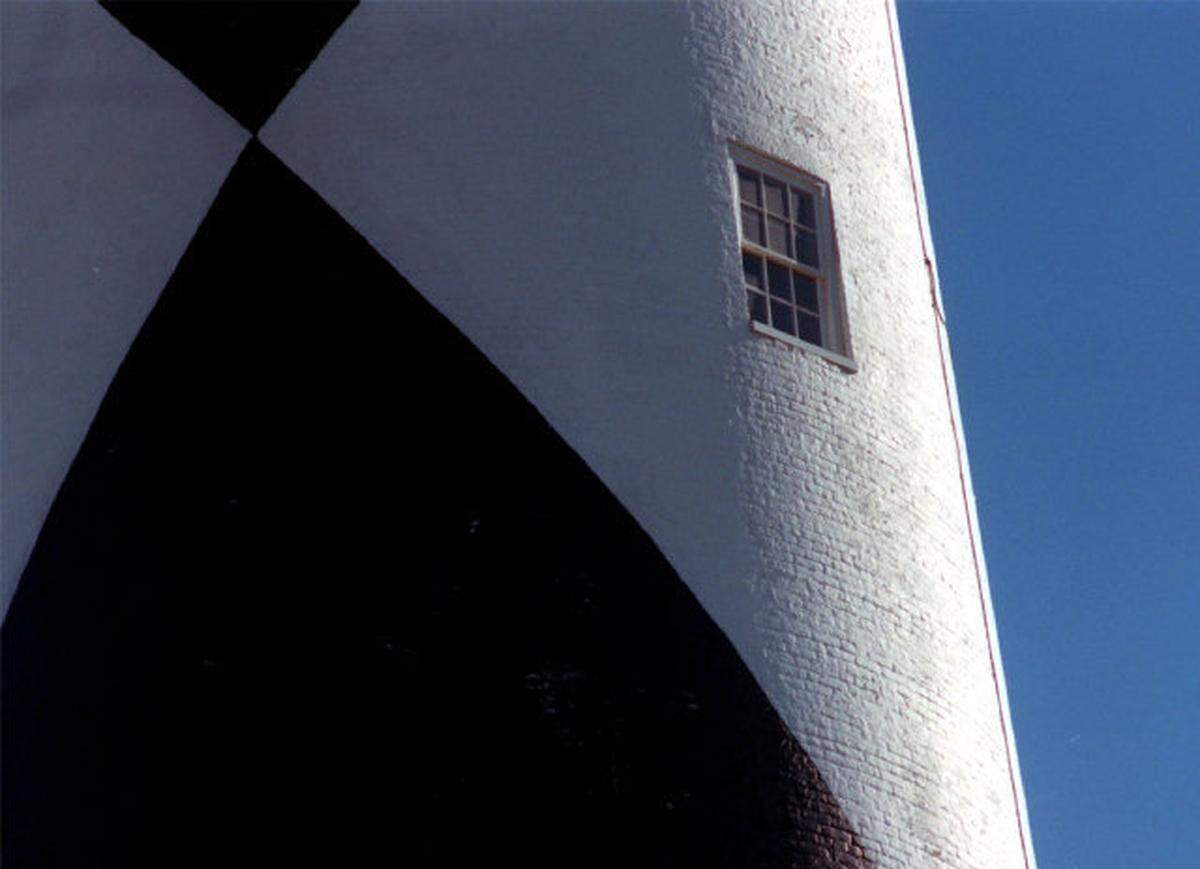
Years later, Cape Lookout’s famous diamond pattern made its debut. The lighthouse was painted to distinguish it from similar structures along the coastline in 1873, according to the Outer Banks visitor guide.
“In fact, if it wasn’t for the different patterns of paint, the Bodie Island Lighthouse in the Northern Outer Banks and the Cape Lookout Lighthouse would be nearly identical,” the guide states.
In the meantime, whale oil gave way to kerosene, which was eventually replaced with light bulbs and electricity, according to the park service.
“The last technological change was from light bulbs to solar panels and LED bulbs in 2017,” the park service said.
A few disasters
War broke out within two years of Cape Lookout’s completion, according to the park service’s historic timeline.
North Carolina joined the confederacy in May of 1861 and Union troops captured the lighthouse the following year.
Confederate soldiers sneaked through enemy lines on April 2, 1864 — almost a year before the end of the Civil War — and tried to blow Cape Lookout up, the park service said. They failed, but the explosion destroyed its oil supply and damaged the iron stairs.
Since then, the lighthouse has also withstood a seemingly endless supply of near-crippling hurricanes.
“The Great Hurricane” barreled toward Cape Lookout in 1899 and caused extensive damage in Carteret County, where the lighthouse is located, according to a book on North Carolina’s Hurricane History.
Hurricane Dorian last month trapped hundreds on nearby Ocracoke Island and carved at least 54 new inlets into the Cape Lookout National Seashore, the Charlotte Observer reported.
There’s no exact number, but the park service said neighboring Cape Hatteras roughly 70 miles to the north has survived about 40 hurricanes.
More recently, Cape Lookout was also struck by lightning in June.
The Observer reported it went dark for weeks while The Coast Guard handled repairs of “a very unique capacitor,” Karen Duggan of Cape Lookout National Seashore said.
A look forward
Cape Lookout’s light was restored June 27 — just like it was after the Civil War ended in 1865 and after Hurricane Florence ravaged the coastline last year.
It’s a historical fixture at the Outer Banks. Tucked on a remote island accessible only by ferry, Cape Lookout is the third oldest standing lighthouse in North Carolina, Our State magazine reported.
It will likely stare down a few more calamities. But if the last 160 years are any indication, the steady flash of Cape Lookout’s light — once every 15 seconds — will never go dark for long.
This story was originally published October 29, 2019 at 5:14 PM with the headline "This Outer Banks lighthouse has stared down all kinds of disasters in its 160 years."