It’s time. Here’s what to plant in your fall / winter backyard garden
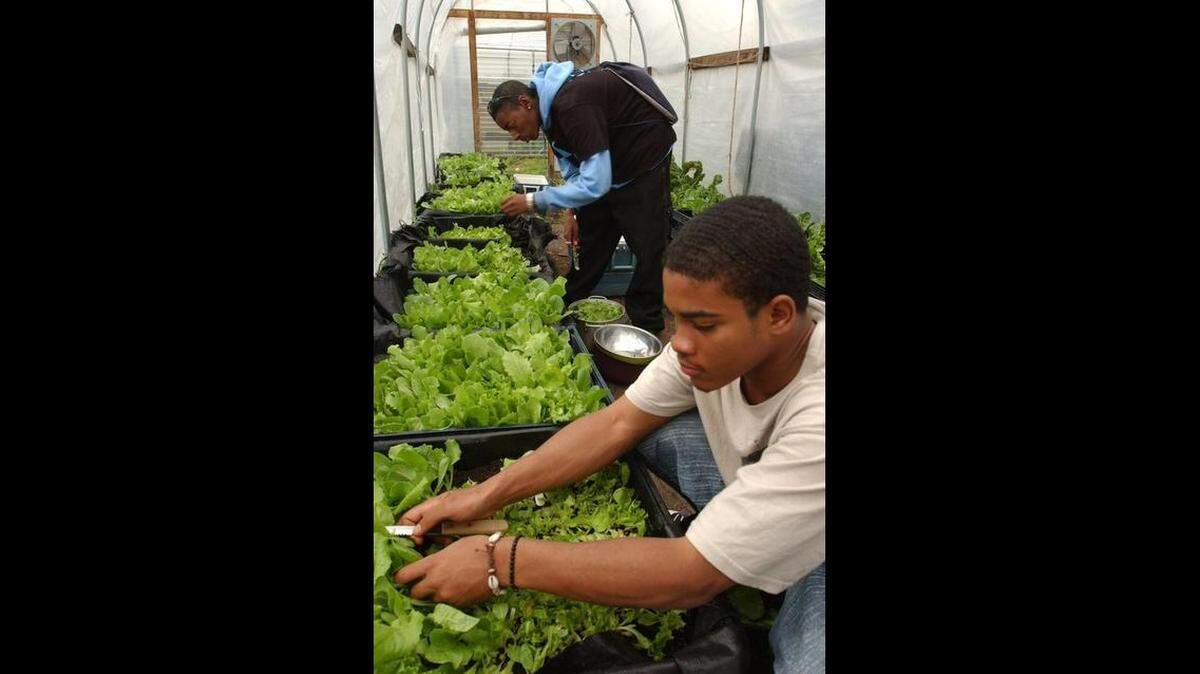
Our summer season is coming to a close, and we welcome the refreshing cool season that will take its place.
But the end of summer doesn’t mean the end of outdoor gardening.
The News & Observer talked with Ashley Troth, an NC State Cooperative Extension agent at the Durham County Center, about cool season gardening and helpful advice.
“For a lot of our Master Gardeners, the cool season is their season,” she said. “They do warm season stuff too, but they really shine in the cool weather. If you’ve never done cool season planting before, it’s the time to really go for it. There’s a little pest pressure, and a lot to harvest.”
Here’s Troth’s advice for getting your cool season garden underway:
Which fall/winter crops should I plant and when?
Troth:
“North Carolina has several different soil and climate types between the mountains, the coast and the Piedmont — where we are. We follow the Central North Carolina Planting Calendar for Annual Vegetables, Fruits and Herbs.
“I’d recommend doing a lot of cool-season fall veggies as transplants instead of seeds. This gives the weather some time to cool off, and it makes you want to even be in the garden yourself.
“Go to the farmers’ market, find the plants you’re excited about eating for the next few months and put them in the ground soon — the first couple weeks of September. You can look after things, water regularly and do your best to get the caterpillars off your leafy greens and brassicas.
“But a lot of our fall vegetables are roots, which want to stay happy and not get disrupted when moving from space to space. You’ll want to put your roots right into your bed as seeds. The majors are beets, carrots, radishes, rutabagas — if you’re into those!”
Visit the Planting Calendar here: content.ces.ncsu.edu
Here’s what to plant, how to plant it and when in central NC:
Arugula: Early or late September as seeds.
Beans (snap/bush or snap/pole): Early or late September as seeds.
Beets: Early September as seeds.
Broccoli: Early September as transplants.
Cabbage: Early September as transplants.
Chinese cabbage: Late September or early October as transplants.
Carrots: Early September as seeds.
Cauliflower: Early or late September as seeds or transplants.
Swiss chard: Early September as seeds or transplants.
Cilantro: Late September as seeds.
Collard greens: Early September as seeds or transplants.
Dill: Early September as seeds.
Garlic: Late September or early October as bulbs.
Kale: Early or late September as seeds or transplants.
Kohlrabi: Early September as seeds or transplants.
Head lettuce: Early September as seeds or late September to early October as transplants.
Leaf lettuce: Early September as seeds or late September as transplants.
Mustard: Early or late September as seeds.
Bulb onions: Early or late September as seeds.
Green onions: Early September as seeds or transplants.
Bok choy: Early or late September as transplants.
Parsely: Early or late September as seeds or transplants.
Parsnips: Early or late September as seeds.
Peas (bush or vining): Early or late September as seeds.
Radishes: Early September as seeds.
Rutabaga: Early or late September as seeds.
Spinach: Early or late September as seeds.
Turnips: Early September as seeds.
When does the Farmers Almanac say I should plant?
Troth:
“You should adhere to the Central NC Planting Calendar, and you can line up when you want to plant with the Almanac.
“The Almanac makes their predictions a full two years in advance and doesn’t alter them. The Extension office recommends looking at weather ten to 14 days in advance. If you love using the Farmers’ Almanac to determine planting days, couple it with checking the 10-day forecast to see if it makes sense to follow the Almanac’s instructions to a T!”
When will I harvest my fall/winter plants?
Troth:
“Plan to plant in succession. It’s the same idea as double-cropping tomatoes in the summer season.
“Leaf lettuces, those delicate salad green lettuces, come quickly. I recommend planting a few transplant leaf lettuces every few weeks — some early-September, some late-September, some early-October. That will keep your garden stocked with fresh lettuce until it gets really cold.
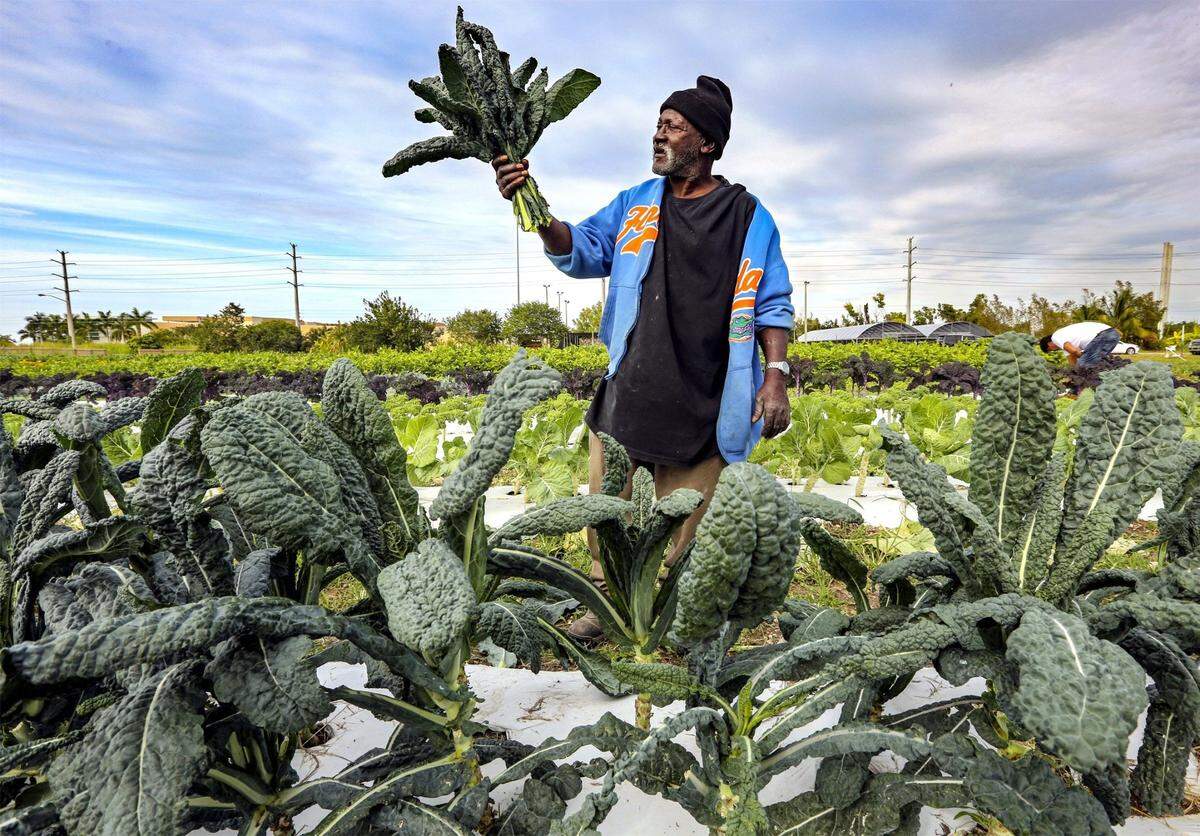
“The tougher leaves, like kale, take a little longer to grow until they’re harvest-ready, and they can stick out cold temperatures and even frosts. If you plant with diversity in mind — delicate leaf lettuces and tougher lettuces like kales — you’ll be able to harvest different plants at different times throughout the season. You’ll have lettuces to enjoy earlier in the season and kales to enjoy later.
“Roots — like carrots, turnips, beets — take a couple months from seed. If you plant in a patch, rather than planting in rows, you’ll have to prematurely harvest some so the others have space to fully grow.”
Should I plant flowers to attract pollinators this fall?
Troth:
“In the cool season, we focus on roots and shoots. That’s leaf lettuce, kale, carrots, rutabaga, garlic… But pollinators are essential for everything, even though they’re not as important for our vegetable gardens in the fall since we’re not growing fruit-set vegetables.
“But we need to keep pollinators happy so they’re around when we need them. Fall-blooming flowers can include asters and goldenrod.”
How do I transition my summer garden to fall?
Troth:
“I often clip plants at the top and keep the roots in the soil. Roots aren’t a problem, unless the plants were badly diseased and I’m afraid of leaving diseased tissue in the soil. If your plant is diseased, you should always pull the whole thing up as soon as things start to look like they’re going south.
“I let my roots decompose in the soil, which is good for soil health because it adds organic matter and feeds soil microbes. The best thing for soil in so many ways is roots — dead roots open up spaces in the soil as they decompose and improve soil health overall.
“When I’m planting with roots in the ground, I just gently push them out of the way. Transplants are physically very small, and roots sort themselves out underground as the seedlings get more mature.”
Questions about backyard gardening?
Do you have questions about your backyard garden? Any stories you’d like to see about gardening topics? Tell us here! Or email kcataudella@newsobserver.com.
This story was originally published September 8, 2022 at 11:00 AM.