Is that poison ivy or Virginia creeper? How to tell the difference in NC
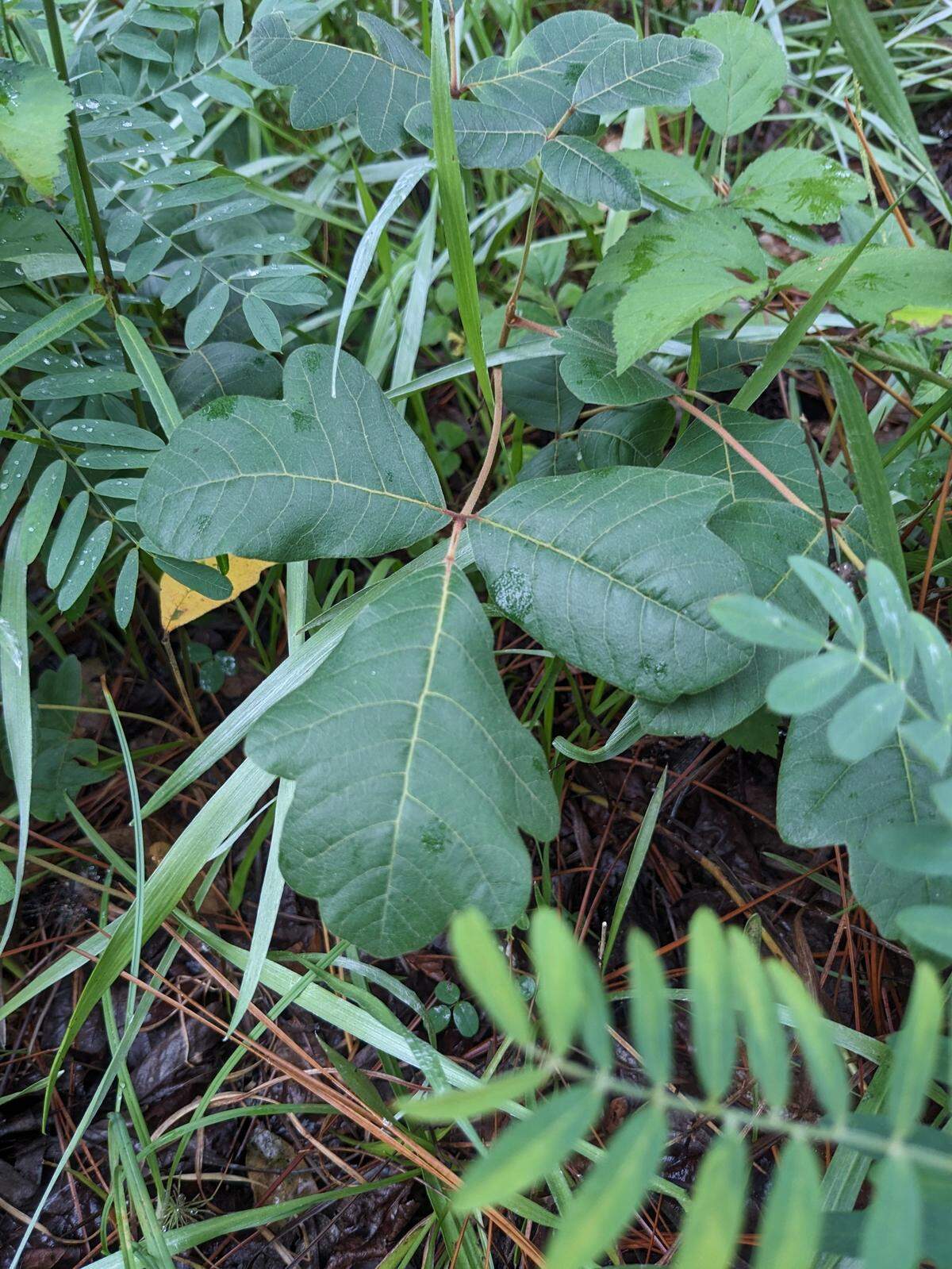
Leaves of three, let it be. That’s the common expression to avoid run-ins with poison ivy and poison oak — common toxic-to-the-touch plants found in North Carolina’s Triangle area and beyond.
Virginia Creeper can be a common lookalike plant that doesn’t produce poison ivy and poison oak’s skin-irritating oil. They often grow in the same areas and one can be confused for the other, so you should get familiar with both.
Note: Virginia Creeper can be deadly if ingested. Eating the fruit can result in some horrific symptoms and even death. The grape-looking berries can be black, blue, deep purple or lavender, and are available in July and August in North Carolina. While the plant won’t give you the characteristic rash that comes with poison ivy and poison oak, it can still be very dangerous, so you should know how to identify it.
The poisonous plant you’re most likely to see in the Raleigh area is poison ivy. Poison oak is most commonly found in the Sandhills, and poison sumac tends to occur in the Coastal Plains and mountains.
The News & Observer spoke with Matt Jones, a horticulture agent with NC State Extension, to learn more about these plants in our region.
Poison Ivy and Poison Oak vs. Virginia Creeper
The plants’ leaves and vines look different. Here’s what to know:
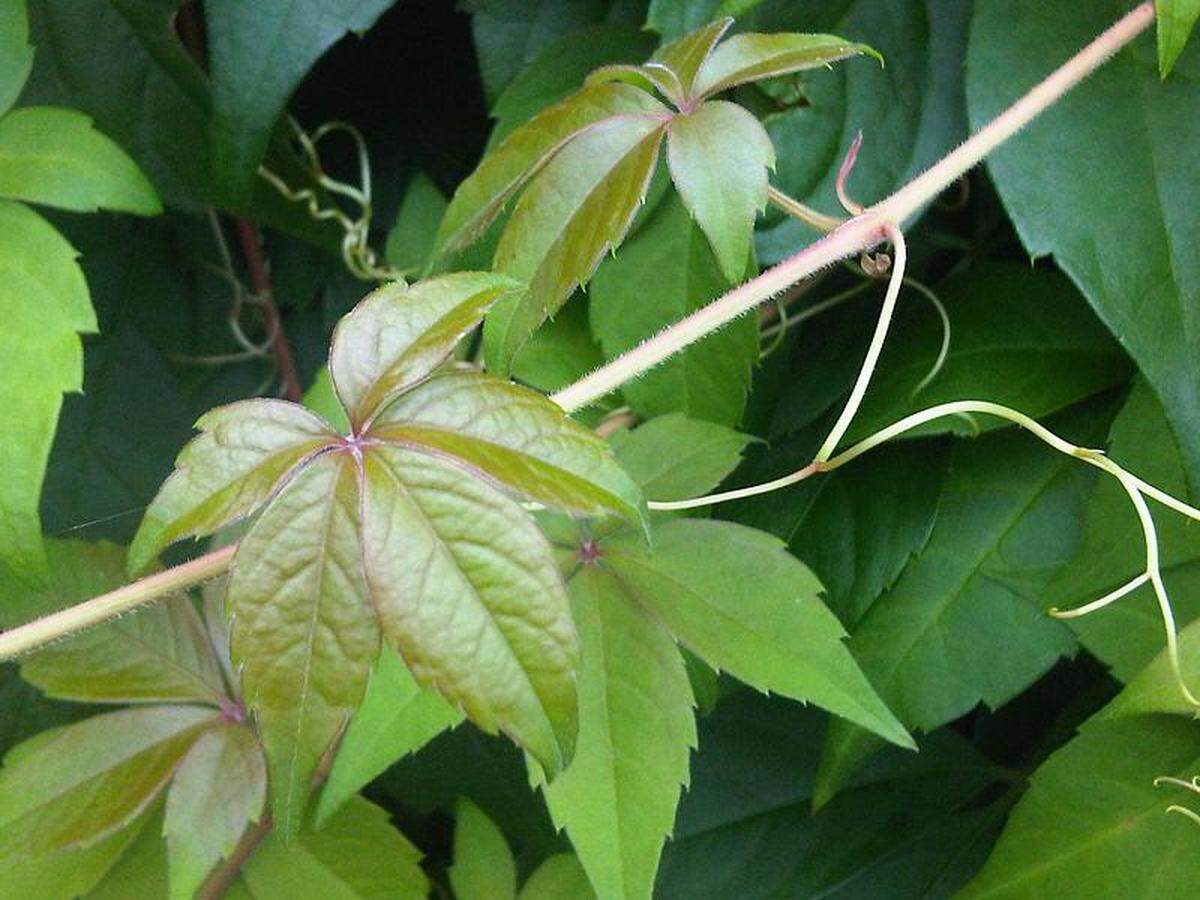
Virginia Creeper leaves: “Leaves of five, let it thrive.”
The Virginia Creeper has five leaflets, contrasting poison ivy and oak’s three leaflets.
“They almost look like how your fingers are on your hand,” Jones said.
Poison ivy / oak vines: “A hairy vine is no friend of mine.”
While poison ivy and poison oak vines aren’t exactly hairy, they do have “rootlets” growing out of them that can give a shaggy appearance.
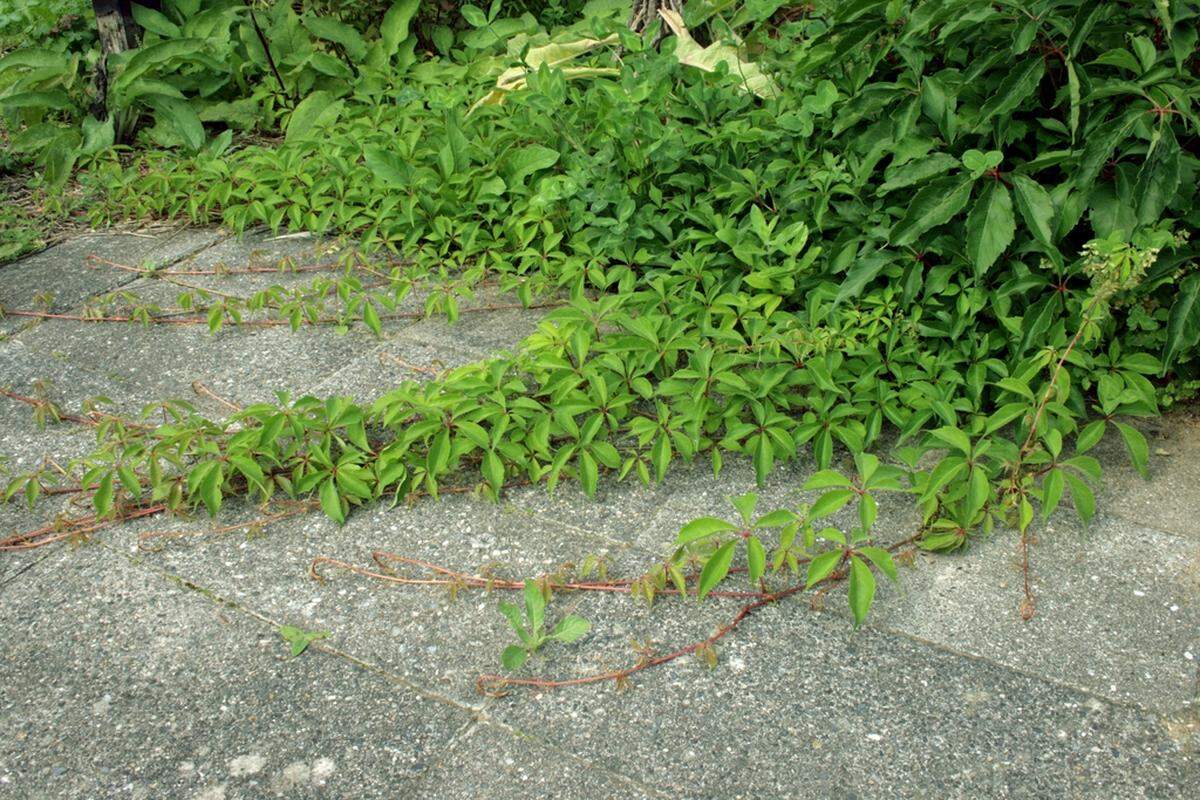
Virginia Creeper vines look more “woody,” more closely resembling tree branches.
The vines also climb by tendrils (like cucumbers do), curling around other plants to climb higher and higher. Virginia Creeper’s tendril-climbing vine can grow up to 50 feet long, and sometimes even longer.
Other poison ivy and poison oak lookalikes
The following plants can be confused for the toxic plants, Jones said:
Box Elder: This maple-family plant has opposite leaves, which differ from poison ivy and oak’s alternate leaves.
Opposite leaves are paired at a node and grow apart from another somewhat symmetrically, while alternate leaves connect to the stem one at a time.
.JPG "poison ivy (1).JPG")
Blackberries: This plant also has three leaflets, but blackberry plants’ large prickles (“thorns”) can help differentiate the plant from poison ivy or oak.
Find more information at the following NC State Extension webpages:
Virginia Creeper: plants.ces.ncsu.edu/plants/parthenocissus-quinquefolia
Poison Ivy: plants.ces.ncsu.edu/plants/toxicodendron-radicans
Poison Oak: plants.ces.ncsu.edu/plants/toxicodendron-pubescens
Box Elder: plants.ces.ncsu.edu/plants/acer-negundo
Blackberries: plants.ces.ncsu.edu/find_a_plant/?q=rubus
This story was originally published July 12, 2023 at 2:19 PM.