What Really Happens When You Use Green Noise for Sleep Every Night
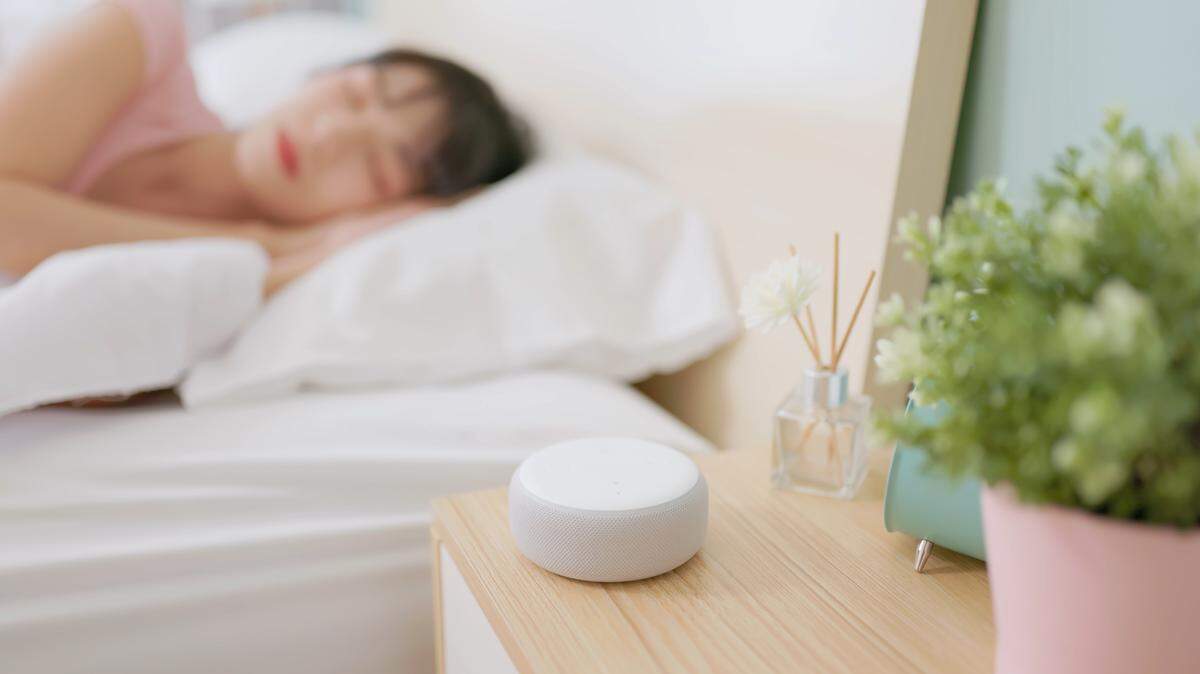
Green noise is everywhere right now. Wellness apps are promoting it, social media creators are swearing by it and sound machine brands are building entire features around it. The #greennoise hashtag has surpassed 1.1 million views online, and the pitch is simple: press play, sleep better.
But a recent study suggests that leaving any broadband sound running all night may actually be hurting the quality of your rest. Here’s what the science says and what you should do differently.
What Green Noise Actually Is
Green noise is a mid-frequency sound profile centered around 500 Hz. Think ocean waves, gentle rain and rustling leaves. It sits between white noise, which plays all frequencies equally, and brown noise, which leans heavier on the low end.
Worth knowing: “green noise” isn’t an official scientific term. It’s a label adopted by sleep apps and sound machine brands to describe this nature-adjacent frequency range. That distinction matters when you start looking for actual research behind it.
Why the Science Hasn’t Caught Up to the Hype
According to the Sleep Foundation, there are currently zero controlled studies testing green noise specifically for sleep. The viral popularity has outpaced the evidence by a wide margin.
The sounds green noise mimics do have some backing, though. A 2017 fMRI study at Brighton and Sussex Medical School found that natural sounds activated the parasympathetic “rest and digest” response in the brain. So there’s a plausible reason why nature-like frequencies feel calming. The research just hasn’t been done on green noise as its own category.
The 2026 Study Every Sound Sleeper Should Know About
A February 2026 Penn Medicine study found that broadband noise played at 50 dB reduced REM sleep by nearly 19 minutes per night. This applies to all broadband sound colors, green noise included.
That’s a significant loss. REM is when your brain consolidates memories, processes emotions and restores cognitive function. Losing it consistently adds up over time. Researchers also cautioned that all-night broadband noise may be especially harmful to children, who spend more time in REM sleep than adults.
Who Might Still Benefit From Green Noise
Green noise isn’t useless. It just needs a smarter approach. The sound may help if you’re a shift worker or city dweller dealing with disruptive environmental noise. It can also serve as a mental anchor for people with racing thoughts or nighttime anxiety. And if you’ve tried white noise and found it too harsh, green noise’s softer profile might feel more comfortable.
The key is how you use it.
How to Use Green Noise Without Undermining Your Sleep
Based on what the research supports, here’s a better approach:
- Set a 30 to 60-minute timer instead of playing sound all night. You get the calming benefit while falling asleep without disrupting REM cycles later.
- Keep volume below 50 dB. That’s quieter than a normal conversation. If you have to raise your voice over it, turn it down.
- Place the device across the room. Distance softens the sound naturally and keeps it away from your ears.
- Consider earplugs first. The Penn Medicine study found earplugs outperformed sound machines for blocking environmental noise during sleep.
Green noise can be a useful tool for falling asleep, but the all-night-on-loop approach may be doing more harm than good. Treat it like a wind-down aid with a time limit, not a background soundtrack for your entire night.
This article was created by content specialists using various tools, including AI.