What are synbiotics? These 5 recipes give your gut the probiotics and prebiotics it needs
If you’ve been wondering how to improve gut health without relying entirely on supplements, synbiotic foods may be worth adding to your plate. The idea is simple: combine probiotics and prebiotics in the same meal so the beneficial bacteria in your gut have both support and fuel.
And unlike many wellness trends, synbiotics don’t require expensive powders or complicated meal plans. Some of the best options are everyday whole foods you can easily work into breakfast, lunch, dinner and snacks.
5 synbiotic recipes to try this week
Adding more synbiotic foods to your routine doesn’t have to mean cooking complicated meals or following a strict gut health diet. Many of the easiest ways to combine prebiotics and probiotics already look like everyday breakfasts, lunches, dinners and snacks — just with a few gut-friendly ingredients working together in the same dish.
5. Need a quick gut-friendly breakfast?
Ingredients: Rolled oats, plain live-culture yogurt, mixed berries, banana, ground flaxseed, honey or maple syrup and milk or water.
How to make: Stir the oats and yogurt together, then let the mixture rest in the refrigerator so the oats soften. Before serving, top with berries, sliced banana and flaxseed for an easy make-ahead breakfast packed with fiber and probiotics.
4. Want something fast enough for busy mornings?
Ingredients: Plain kefir, banana, mixed berries, rolled oats, ground flaxseed, honey or maple syrup and ice cubes.
How to make: Blend all the ingredients together until smooth for a quick drinkable synbiotic breakfast or snack. The kefir provides probiotics while the fruit, oats and flaxseed help add prebiotic fiber.
3. Want a filling lunch packed with fiber?
Ingredients: Brown rice, black beans or kidney beans, green or brown lentils, raw kimchi or sauerkraut, garlic, lime, olive oil, ground cumin, smoked paprika and salt.
How to make: Cook the rice and lentils, season the beans with garlic and spices, then assemble everything into a grain bowl topped with raw kimchi or sauerkraut. The combination delivers both probiotics and fiber-rich ingredients in one meal.
2. Looking for a savory synbiotic dinner?
Ingredients: Wholegrain soba or udon noodles, white or yellow miso paste, vegetable or dashi stock, onion, asparagus, sesame oil, soy sauce or tamari, sesame seeds and spring onion.
How to make: Simmer the noodles and vegetables in broth until tender, then stir in the miso paste at the end to help preserve its probiotic benefits. Finish with sesame seeds and spring onion for a warm, comforting bowl.
1. Craving something snackable?
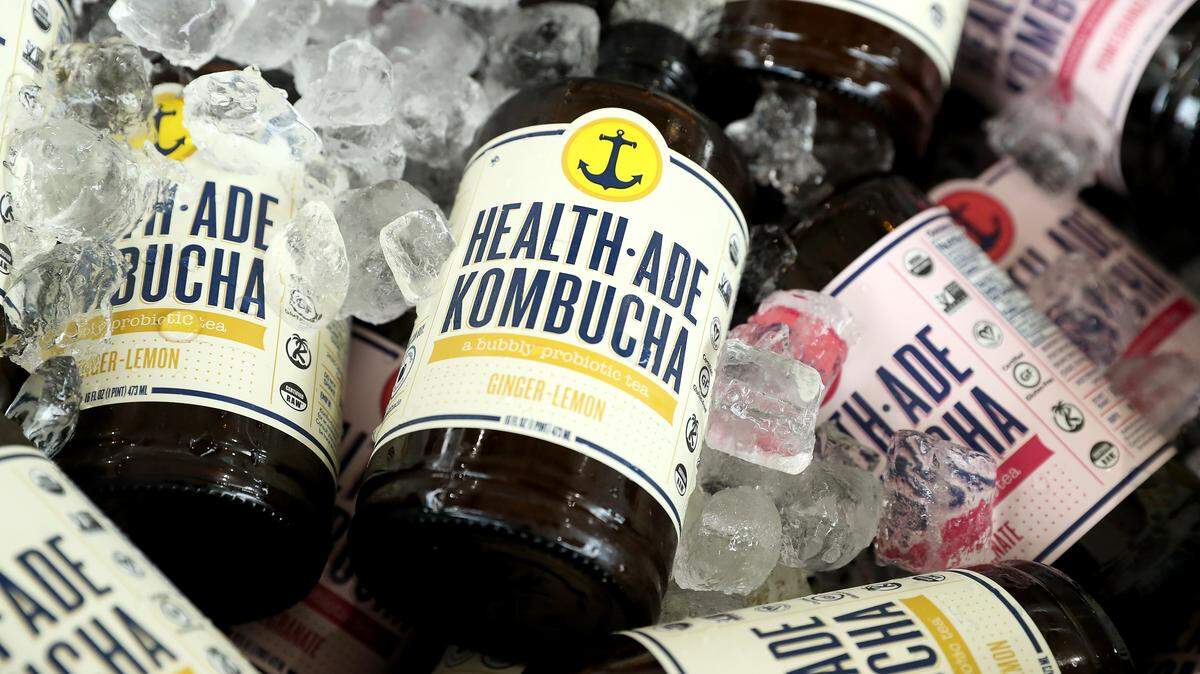
Ingredients: Dark chocolate, almonds, walnuts or cashews, pumpkin seeds, chia seeds or flaxseed, dried cranberries, apricots or goji berries, flaky sea salt and raw kombucha.
How to make: Melt the chocolate, spread it into a thin layer and top it with the nuts, seeds and dried fruit before chilling until firm. Serve alongside kombucha for a sweet-and-salty synbiotic snack.
FAQ: What are synbiotics and why do they matter?
Gut health advice can get confusing fast, especially when terms like probiotics, prebiotics and synbiotics all start blending together. If you’re still wondering what synbiotics are, how they work or whether you really need supplements to improve gut health, here are some quick answers that break down the basics behind this growing nutrition trend.
What are synbiotics?
The synbiotic meaning is simply combining probiotics and prebiotics in the same meal. Probiotics add beneficial bacteria to the gut, while prebiotics help feed those bacteria once they’re there.
What is the difference between prebiotics and probiotics?
Probiotics are live “good” bacteria found in fermented foods like yogurt, kefir, kimchi and kombucha. Prebiotics are types of dietary fiber found in foods like oats, bananas, onions and beans that help those bacteria grow and thrive.
Why are synbiotic foods important?
According to the UT MD Anderson Cancer Center, different prebiotic foods support different microorganisms in the gut, while probiotic foods add different strains of bacteria to the microbiota. Eating a mix of both may help support a healthier and more diverse gut microbiome.
Are most people getting enough prebiotic fiber?
Not really. The USDA’s Adequate Intake for fiber is 25 grams daily for women and 38 grams for men, but most Americans consume less than half of that amount.
Are supplements necessary for gut health?
Experts say whole foods should come first whenever possible. “We do not recommend that patients or really anyone go and find solutions at the supplement aisle of stores,” Nadim Ajami, Ph.D., said via the UT MD Anderson Cancer Center. “You can get what you need through whole foods.”
What is the best way to improve gut health?
Building more synbiotic meals into your routine can be surprisingly simple once you start pairing fermented foods with fiber-rich ingredients. Yogurt with oats, kefir smoothies, kimchi grain bowls and kombucha snacks all naturally combine prebiotics and probiotics without making meals feel restrictive.
MORE INFO: Prebiotic vs. Probiotic: Skip the Supplements and Feed Your Gut the Right Way Instead
This article was created by content specialists using various tools, including AI.