The best HEPA air purifier, room by room: Everything you need to know before you buy
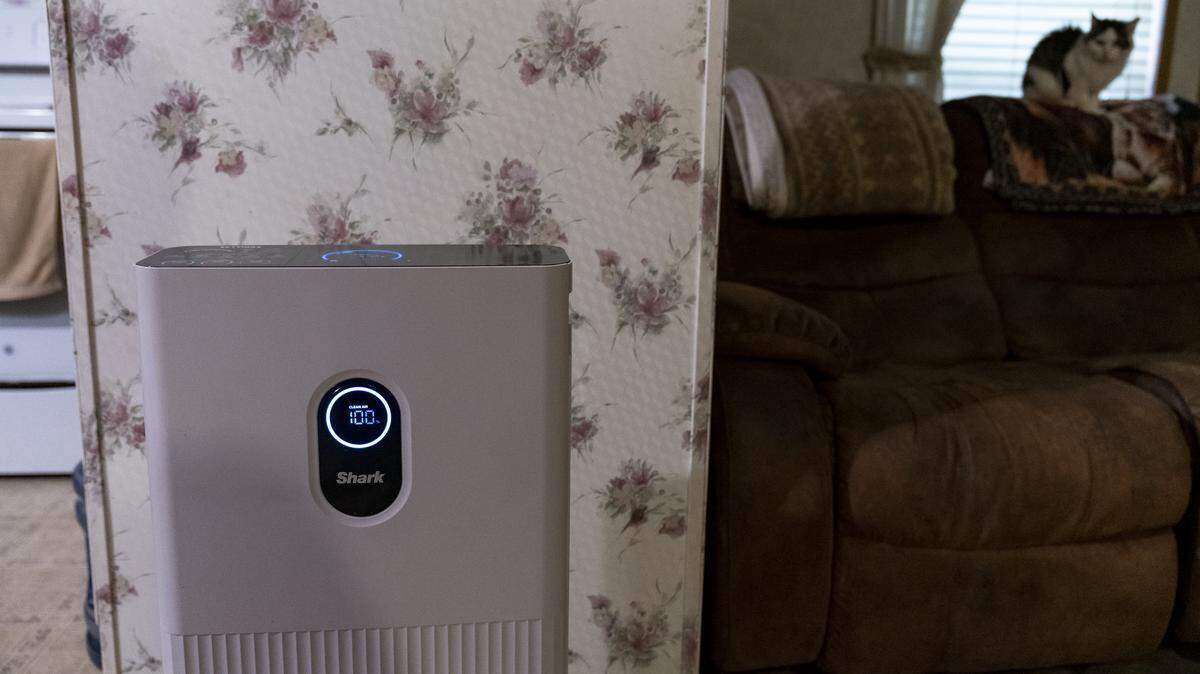
Wildfire smoke, pollen surges and lingering indoor pollutants have turned air quality from a niche worry into a daily one.
But finding the best HEPA air purifier isn’t just about buying the most expensive model on the shelf. The right choice depends on where you’re using it, what you’re trying to filter out and whether the unit actually meets true HEPA standards.
Here’s what a HEPA filter really does, why HEPA air purifiers are trending and how to choose the right setup for every room in your home.
What a HEPA filter actually does
HEPA stands for “high efficiency particulate air,” according to the U.S. Department of Energy.
A true HEPA filter is designed to capture at least 99.97% of airborne particles measuring 0.3 microns in size, including dust, pollen, mold spores, pet dander, smoke particles and some bacteria, per the U.S. Environmental Protection Agency (EPA).
That 0.3-micron number isn’t random. It’s the most penetrating particle size (MPPS) — the hardest size for any filter to catch — so the 99.97% rating represents worst-case performance. Larger and smaller particles get caught at even higher rates.
Why does that matter? According to the EPA, particles smaller than 10 microns can get deep into your lungs and, in some cases, enter the bloodstream. Particles smaller than 2.5 microns pose the greatest risk to health.
A 2022 study published in Environmental Health Perspectives found HEPA filters effective in reducing exposure to indoor air pollutants.
Why HEPA air purifiers are suddenly everywhere
Interest in HEPA filter air purifier systems surged during the COVID-19 pandemic, when people became more aware of how airborne particles move indoors. Since then, worsening wildfire seasons, rising pollen counts and concerns about indoor chemicals have kept demand high.
Today, many households use air purifiers to help with:
- Seasonal allergies
- Asthma triggers
- Pet dander
- Smoke from wildfires
- Cooking particles and odors
- VOCs released from furniture, paint and new construction materials
Smart air purifiers with built-in air-quality sensors are also becoming more common, making it easier for homeowners to monitor indoor air conditions in real time.
How to spot a real HEPA filter air purifier
Just because a box says “HEPA” doesn’t mean the unit inside qualifies. Skip anything labeled “HEPA-like,” “HEPA-style” or “99% HEPA.” Those are marketing terms. Look for labels that specifically state the unit captures 99.97% of particles at 0.3 microns.
Three other specs matter:
- MERV rating. Short for Minimum Efficiency Reporting Values, this measures a filter’s ability to capture particles between 0.3 and 10 microns. All HEPA filters carry a MERV rating of 17 or higher. Anything lower isn’t HEPA.
- CADR. The Clean Air Delivery Rate, set by the Association of Home Appliance Manufacturers, measures the volume of filtered air the unit delivers. Aim for a CADR equal to at least two-thirds of the room’s square footage.
- ACH. Air Changes per Hour tells you how many times the purifier cycles all the air in a room each hour. Montana’s Department of Public Health and Human Services recommends an ACH of at least 4 for allergies, ideally 6 to 8.
An activated carbon filter is a useful add-on. HEPA handles particles; carbon handles gases, odors and VOCs. A combination of both will help reduce air pollutants of all kinds inside the home.
The best HEPA air purifier setup for every room in your home
Not every room needs the same kind of air purification. Matching the purifier to the room — not just buying the biggest model available — is what actually improves indoor air quality.
Here are some of the most important things to keep an eye out for in each room.
- Bedrooms: need quiet operation and strong allergen control to improve sleep quality. Look for a true HEPA purifier with low noise levels, sleep modes and enough power to achieve 6–8 air changes per hour (ACH).
- Living rooms: usually the largest spaces in the house, making Clean Air Delivery Rate (CADR) the most important factor. Choose a purifier sized for the room’s square footage with enough airflow to clean shared spaces efficiently.
- Nurseries and kids’ rooms: should prioritize low ozone emissions, CARB certification and whisper-quiet performance. HEPA filtration can help reduce exposure to smoke, dust, pollen and airborne irritants for children.
- Kitchens: produce smoke particles, grease aerosols, odors and VOCs from cooking, so activated carbon filtration matters just as much as HEPA filtration. Look for a purifier that combines strong airflow with carbon filters.
- Basements: often trap moisture, mold spores and chemical odors from stored materials, making high CADR and true HEPA filtration especially important. Pairing a purifier with a dehumidifier can also help.
- Home offices: usually work well with compact purifiers, but noise level still matters for focus and video calls. A smaller true HEPA unit with quiet fan settings and adequate ACH is often enough for these spaces.
Who should upgrade now — and who can wait
Not everyone needs to rush out and buy a new HEPA air purifier tomorrow. But certain living situations, health conditions and air-quality problems make upgrading more urgent.
You might want to upgrade now if:
- Have allergies or asthma
- Live in a wildfire-prone area
- Have pets that shed dander
- Recently renovated your home
- Moved into a newly built house
- Have newborns, young children or older adults at home
- Notice lingering odors or indoor air irritation
But if your current air purifier with a HEPA filter still meets True HEPA standards, has fresh filters and adequately covers your space, there may not be a need to replace it yet.
As HEPA technology becomes more accessible, cleaner indoor air is starting to feel less like a luxury and more like a standard household feature. Whether that means upgrading a single bedroom or eventually filtering the entire house is up to you.
This article was created by content specialists using various tools, including AI.