What Are Fermented Pickles? Everything You Need to Know About Gut Health Benefits
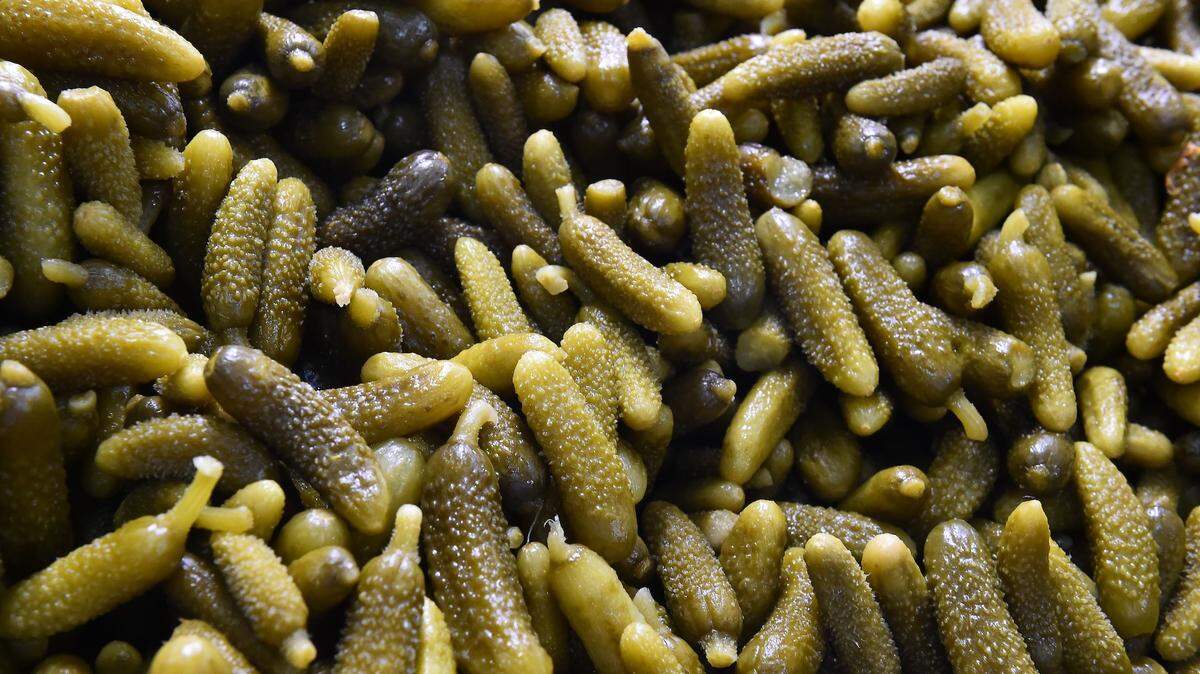
The crunchy snack in your fridge may not be doing what you think it is. As probiotic-rich foods continue to dominate wellness conversations, a key distinction is getting lost: not all pickles are fermented — and only the fermented ones deliver the gut benefits some people are chasing.
How Fermented Pickles Differ From Vinegar Pickles
Pickling and fermentation are not the same process, even though both preserve cucumbers and produce that signature tang.
According to The Kitchn, “Pickling is a method of food preservation that works by immersing foods in an acidic solution, like vinegar, that changes both the taste and texture of the food. It also involves the use of heat, which serves to destroy and inhibit the growth of any microorganisms.”
Fermentation works differently. It “doesn’t require an added acidic liquid or heat, and can be accomplished with as little as a container and salt,” The Kitchn notes. “The process typically takes longer than pickling and ultimately alters the food’s color, flavor and texture.”
The takeaway: heat-processed vinegar pickles taste like pickles but lack the living microbes that give fermented versions their health profile.
Why Fermented Pickles May Support Gut Health
Dr. Marily Oppezzo, PhD, MS, Head of the Lifestyle Medicine Nutrition Pillar at Stanford, says brine-fermented pickles are the ones worth seeking out.
“The pickles that are beneficial for your gut health are the fermented ones, made by brining them in salt rather than vinegar,” Oppezzo told Stanford Lifestyle Medicine. “While vinegar pickling is a common method, true fermentation in brine enriches them with beneficial probiotics for your gut.”
Registered dietitian Amy Shapiro, MS, RD, CDN, echoed that point to Real Simple: “[Fermented] pickles are a low-calorie food and rich in probiotics, which support a healthy balance of gut bacteria — a healthy gut microbiome is associated with improved digestion, reduced inflammation and enhanced immune response.”
Pickles also deliver vitamin K, vitamin A and vitamin C.
For more information: Fermented Foods List: What to Eat for Better Gut Health and Benefits, According to Experts
What a Recent Study Found About Fermented Pickles
A 2025 study in the U.S. National Library of Medicine offers some of the clearest evidence yet that fermented pickles can shift gut biology.
Researchers ran a 12-week community trial in rural Pakistan, tracking adult women who ate roughly 50 grams of traditional fermented vegetable pickles per day. Participants in the intervention group showed:
- Increases in beneficial gut bacteria including Bifidobacterium and Prevotella
- Broader shifts in overall microbial community structure
- Reductions in stool-based markers of intestinal inflammation
- Modest changes in immune-related blood parameters, including white blood cell and neutrophil counts
The authors caution that the effects were moderate and should be interpreted as a short-term dietary intervention, not a clinical treatment.
The Sodium Downside of Eating Pickles
There is a real catch — and it is not small.
“One major downside of pickles is their high salt content,” Oppezzo said. “A single pickle can contain over two-thirds of the recommended daily sodium intake for an average adult. Excessive sodium can be detrimental to overall health, thus it is important to eat pickles in moderation.”
Her timing tip for those watching salt: “If you are going to have them and are watching your salt, eat after you’ve sweat a lot due to exercise or a sauna.”
How to Spot True Fermented Pickles at the Store
The shelf location is the giveaway. Live probiotic pickles need refrigeration to keep the bacteria alive.
“How can you spot these live bacteria-packed pickles?” Oppezzo said. “Check out the refrigerated section of your grocery store, as they won’t be found on the regular shelf.”
If a jar is sitting at room temperature in a center aisle, it has almost certainly been heat-processed — meaning it can deliver the crunch and the tang, but not the probiotics.
This article was created by content specialists using various tools, including AI.
This story was originally published May 21, 2026 at 4:00 PM.