Stem Cells, IV Drips and Saunas: 5 Science-Backed Questions to ask Before Booking a Wellness Resort
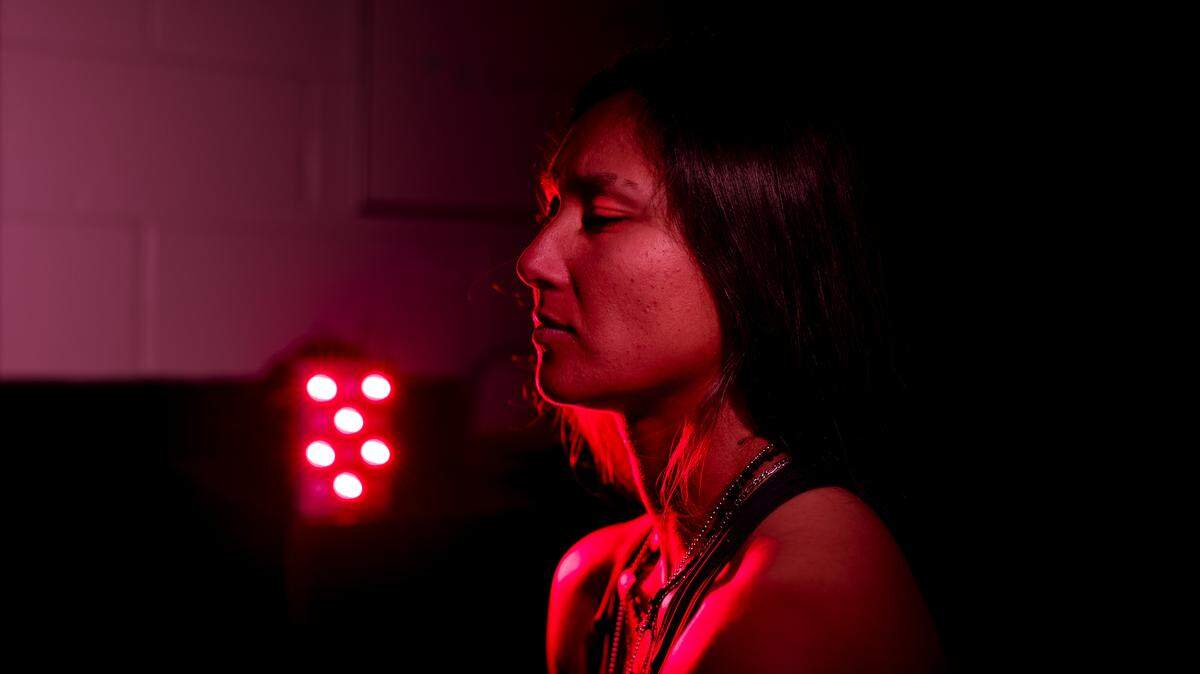
Wellness resorts are no longer just about cucumber water and hot stone massages. Today’s high-end retreats — places like Preidlhof, Sha Wellness and Velaa Private Island — are layering medical-adjacent services like infrared therapy, cryotherapy, stem cell treatments, IV vitamin drips and biometric screenings on top of traditional spa fare. The pitch is “optimal living.” The price tags can run into five figures.
That puts travelers in a tricky spot. Some of what’s on offer is grounded in real science. Some of it isn’t. Knowing the difference before you book can save you thousands of dollars — and protect your health.
How Spas Became the New Frontier of Medicine
The wellness industry has quietly recruited doctors to design its menus, blurring the line between resort and clinic. But the medical community is split on whether these offerings deliver.
Monty Dunn, MD, a doctor of anesthesiology in San Francisco, told Robb Report that several of the most heavily marketed services raise red flags. There is little evidence behind most supplements and IV vitamin therapies. Stem cell therapy remains unproven and potentially dangerous in unregulated settings. And biometric screenings, despite their futuristic appeal, can’t yet reliably predict most diseases.
The challenge is that wellness retreats position themselves as preventive and holistic rather than diagnostic — which makes their claims harder to evaluate than traditional medicine. There’s no easy outcome to measure when the promise is feeling better.
What Experts Say Separates Real Wellness From Theater
Industry professionals say the best retreats look different from the ones with the flashiest treatment menus.
“When choosing a wellness retreat, travelers should look beyond a single spa treatment and consider how wellness is woven into the entire stay. The best hotels for wellness getaways offer flexibility—spaces and experiences that balance movement, rest, and indulgence,” Amaury Piedra, vice president of operations and managing director of Caribe Royale Orlando Resort in Florida, told Newsweek.
Ashley Quarles, director of guest experience and wellness at Hotel Viata in Austin, Texas, told Newsweek that intention should come before amenities. “The best wellness retreats aren’t defined by the number of amenities offered, but by how thoughtfully those experiences are curated to support restoration. A meaningful retreat creates space to slow down, reset, and feel cared for, rather than overwhelming guests with programming.”
Quarles also pointed to thermal experiences as one of the most reliable quality benchmarks. “Thermal experiences are a strong indicator of quality because they are both science-backed and timeless. Steam rooms, saunas, and contrast therapy support circulation, recovery, and nervous system regulation, especially when they’re well-maintained and integrated into the overall guest experience.”
In other words: a well-run sauna says more about a resort than a stem cell brochure.
What to Vet Before You Book
Before putting down a deposit, ask a few pointed questions:
- Does the diet and nutrition program actually fit your needs, or is it a generic menu?
- Are the experiences personalized to you, or one-size-fits-all?
- Is a licensed physician overseeing the program throughout your stay — or just lending a name to the marketing?
- Are therapists skilled and adaptive, able to adjust to how you’re feeling that day, rather than rigidly following an itinerary?
For any costly or invasive treatment — IV therapy, stem cell injections, advanced biometric panels — talk to your own doctor first. And be honest with yourself about your goal. A weekend at a luxury retreat won’t undo years of habits. The travelers who get the most out of these stays tend to be the ones ready to make lasting lifestyle changes, not the ones chasing a quick fix.
This article was created by content specialists using various tools, including AI.
This story was originally published May 22, 2026 at 2:36 PM.