From measurement to removal: Inside the government's $144M fight against microplastics
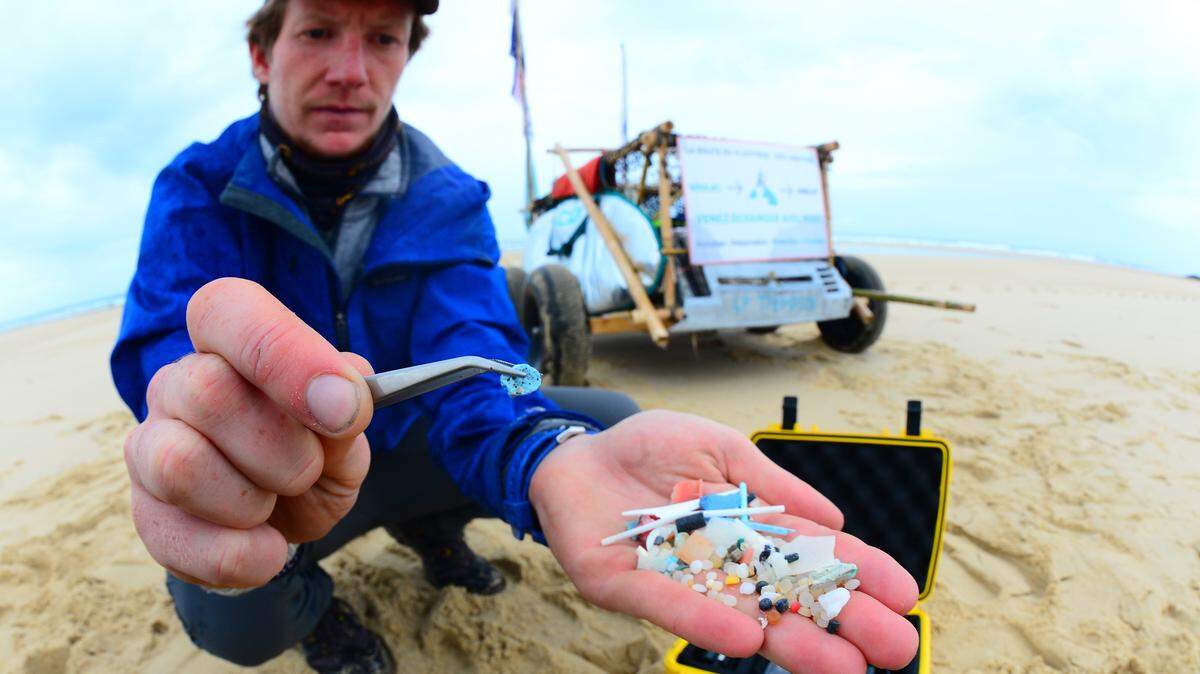
Scientists already know microplastics are showing up inside the human body. Researchers have detected the particles in lungs, arterial plaque and even brain tissue, while animal studies have linked exposure to problems ranging from reproductive damage to heart issues and cancer.
But there’s one massive problem: researchers still cannot consistently measure microplastics in humans.
Testing methods vary from lab to lab, scientists do not fully understand which plastics are most dangerous and there is currently no standardized way to track how these particles move through organs or affect long-term health.
That uncertainty is what a new federal program called STOMP is trying to solve.
How the STOMP program works
Launched April 2, 2026, by the Advanced Research Projects Agency for Health (ARPA-H), STOMP — short for Systematic Targeting Of MicroPlastics — is a $144 million initiative focused on building the first large-scale toolkit for detecting, studying and eventually removing harmful microplastics from the body.
The urgency is growing quickly. According to Stanford Medicine, between 10 and 40 million metric tons of microplastics enter the environment each year, and researchers believe that number could double by 2040.
ARPA-H says STOMP will happen in two phases. The first phase centers on measurement and risk assessment. The second phase focuses on removal.
The program is especially focused on vulnerable groups, including children, pregnant women, people with chronic illness and workers with high exposure levels.
ARPA-H Director Alicia Jackson, Ph.D., said the field has been operating with too many unknowns, noting that microplastics have already been detected in both adults and children.
Program manager Shannon Greene, Ph.D., added that completely avoiding plastics is no longer realistic because they are embedded in modern life, from clothing to food packaging and water systems.
FAQ about microplastics in humans
Microplastics are now part of everyday conversations about health, food and consumer products. Here are some of the biggest questions people are asking about microplastics in humans, and whether silicone is a worthy replacement.
What are microplastics?
The EPA defines microplastics as plastic particles ranging from 5 millimeters down to 1 nanometer. Some are visible to the eye, while others are microscopic enough to travel through air, water and potentially human tissue.
Where do microplastics come from?
Penn State’s Institute of Energy and the Environment says major contributors include synthetic clothing, tire wear, city dust, marine coatings and road markings. Everyday friction and wear slowly break these materials into tiny particles that spread throughout the environment.
Have microplastics been found in humans?
Yes. Researchers have identified microplastics in human lungs, arterial plaques and brains. Scientists are still studying how these particles behave inside the body and whether certain plastics are more harmful than others.
Why are scientists concerned about microplastics in humans?
Animal studies have linked microplastics to cancer, reproductive problems and cardiovascular issues. Human studies currently show strong correlations, but researchers still need more evidence to prove direct cause-and-effect relationships.
Why is measuring microplastics so difficult?
There is no universal testing standard yet. Different laboratories often produce inconsistent results, making it difficult to compare studies or determine how much plastic is actually inside human organs.
What is STOMP?
STOMP stands for Systematic Targeting Of MicroPlastics. The ARPA-H program aims to build tools for measuring, researching and eventually removing harmful microplastics from the human body.
How will STOMP remove microplastics?
Removal comes in phase two. Researchers first need to identify which plastics are most dangerous and where they accumulate before developing treatments designed to safely extract them from the body.
Does silicone have microplastics?
Technically, food-grade silicone does not break down into microplastics the same way traditional plastics do. That’s why silicone straws, storage bags and baby products have become popular alternatives.
Is silicone completely safe?
Not entirely. Silicone is still a synthetic polymer, and lower-quality products can degrade over time, especially under high heat or exposure to harsh substances. Silicone is also not biodegradable.
Silicone and microplastics: why are people switching?
Many consumers see silicone as a lower-toxicity option compared to traditional plastics. Food-grade silicone is BPA-free, heat-resistant and generally more stable during normal consumer use.
What are the best alternatives to plastic?
Glass and stainless steel are still considered the gold standard by many experts. Neither material leaches chemicals the way plastic can, and both are highly recyclable, though they tend to cost more and weigh more.
How to avoid microplastics in daily life
People often reduce plastic exposure by using glass or stainless steel containers, avoiding excessive heat on plastic food packaging and replacing disposable plastics with reusable alternatives like high-quality silicone products.
Why does the STOMP program matter?
Right now, consumers are largely making decisions without clear scientific rankings on which plastics are most harmful. STOMP is designed to replace that guesswork with real measurement data and targeted research.
This article was created by content specialists using various tools, including AI.