The Price of Over-the-Counter CGMs and How Annual Fees Can Hit Thousands Without Insurance
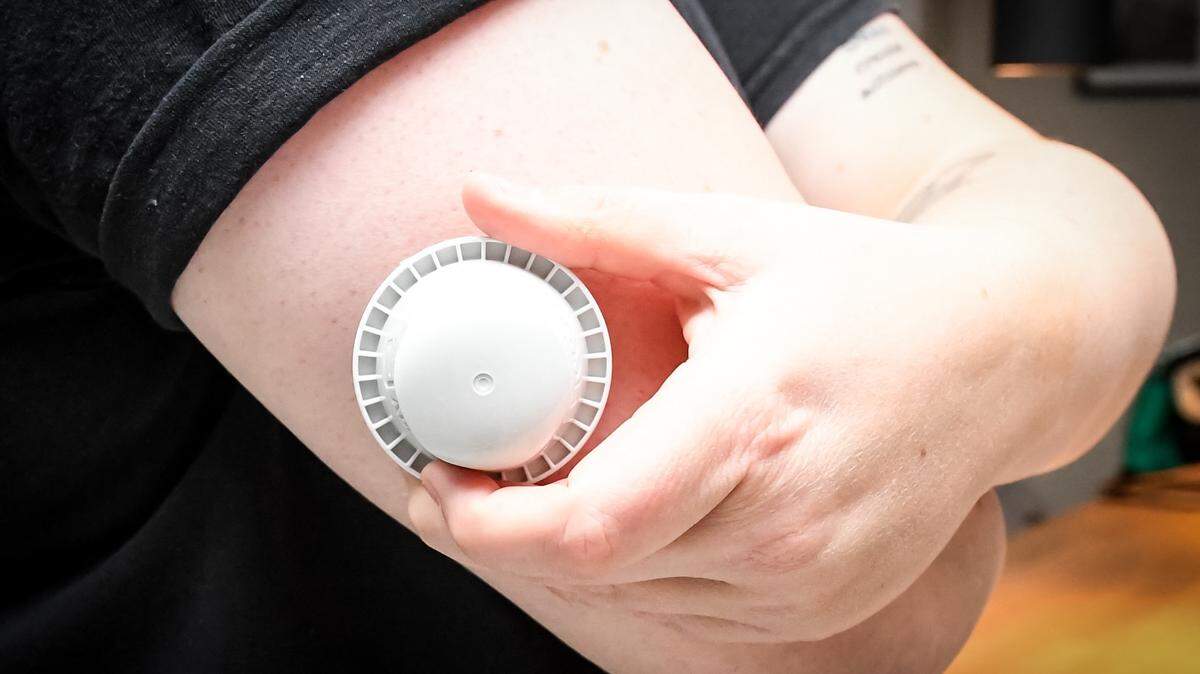
Over-the-counter continuous glucose monitors are pitched as an easy entry point into glucose tracking, but the hidden costs of OTC CGMs — recurring sensors, subscription fees and app access — can add up.
What Are the Hidden Costs of OTC CGMs You Should Know About?
The hidden costs of OTC CGMs go well beyond the sticker price on a starter kit. Brands are built on recurring subscriptions, disposable sensors that wear out every couple of weeks and ongoing app access — so the upfront price advertised on a manufacturer’s site is only the first payment.
Over-the-counter CGMs aren’t a “buy once, use forever” device like a fitness tracker. According to GoodRx, both Stelo and Lingo are only sold directly through their manufacturers’ websites — you won’t find them in a community pharmacy. Each sensor stops functioning after a set period, typically days to about two weeks depending on the system, and it can’t be reused or recharged once it expires.
That means anyone wearing a CGM long term is signing up for a steady stream of replacement orders plus the app subscription that unlocks the data. Forbes reports that ongoing subscriptions usually can run from $89 to $250 depending on brand and duration, and quality can vary between systems. Stelo, in particular, currently offers a three-month subscription for $252.
There are also tradeoffs that don’t show up on a price page. OTC CGMs don’t provide alerts for out-of-range glucose levels, GoodRx notes — only prescription models have that capability. Stelo isn’t cleared for use by people prescribed insulin, so it isn’t compatible with smart insulin pens, insulin pumps or automated insulin delivery systems. And the devices are FDA cleared only for adults 18 and older, while many prescription CGMs can be used by children as young as 2.
“It’s worth taking time to compare your options and evaluate which features best fit your needs,” Dr. Thomas Grace, a family medicine physician at Blanchard Valley Diabetes Center and the head of clinical advocacy at Dexcom, told Forbes.
How Much Does a CGM Actually Cost Per Year?
A CGM ran between $2,000 and $4,500 a year out of pocket without insurance in 2025, according to the National Endocrinology Specialists — a figure that explains why sensor and subscription fees are such a sticking point for users.
That annual range covers the recurring sensor replacements plus subscription costs. Forbes pegs OTC starter kits at $49 to $99 and ongoing subscriptions at $89 to $250 depending on brand and duration. Because sensors are physically disposable and wear out after a fixed period of days to roughly two weeks, the bills keep coming as long as the device is in use.
Coverage can change that math significantly. The National Endocrinology Specialists outlet notes that most insurance plans require prior authorization and documentation from a healthcare provider, but after approval, out-of-pocket costs are often reduced to a manageable copay. Medicare has also expanded CGM coverage in recent years.
“Since 2023, Medicare beneficiaries who use insulin or have a history of hypoglycemia have been eligible. In 2025, Medicare covers 80 percent of the approved CGM cost, leaving patients responsible for 20 percent after meeting their Part B deductible,” the outlet reported. “For many, that reduces annual spending to around 600 to 1,200 dollars, compared to the thousands paid without coverage.”
Medicaid coverage is state-dependent. Some states provide CGMs with no cost-sharing, while others limit eligibility to type 1 diabetes patients or require strict documentation, the outlet noted. Patients should always check their state’s Medicaid policy before buying.
There are ways to cut the recurring money outlay without giving up monitoring. The National Endocrinology Specialists outlet says some patients save by purchasing CGM supplies through online mail-order pharmacies that offer discounts for automatic refills. Others use employer wellness programs that reimburse part of the cost. For uninsured patients, the outlet suggests asking a doctor about samples, coupons or nonprofit support programs.
Accuracy is also worth budgeting for. “One of my patients thought his diabetes was cured because his CGM showed low blood sugars,” Dr. Sun Kim, an endocrinologist at Stanford University who specializes in treating type 2 diabetes, told Forbes, “but he just happened to have a bad sensor.”
For more information: Choosing Between Stelo, Lingo and Levels for Diabetes: Everything to Know About OTC CGMs
Why Are Diabetes Patients Skipping CGMs Over Cost and Fees?
A large share of people with diabetes are putting off CGM use specifically because of money — and the pattern shows up across surveys of patients managing the disease.
One in 5 people with diabetes say they’ve foregone or put off getting a pump or continuous glucose monitor, and for half of them, it was due to financial strain, according to an American Diabetes Association survey of 2,595 people with diabetes. Another 15% of patients who rely on diabetes management technologies like pumps or CGMs delayed refilling needed supplies during the pandemic and 70% of that group cited financial strain.
The cost barrier extends to basic monitoring too. About 31% of diabetes patients reported they did not self-monitor glucose levels because blood glucose monitoring test strips were too expensive, the ADA found, and 47% said they did not self-monitor because testing was not convenient.
A 2021 study published in Diabetic Medicine framed the issue more broadly. “Cost considerations for diabetes technology uptake extended beyond finances to include time, cost to society, morality and interpersonal relationships,” the researchers wrote. “Cost also reflected an important moral principle tied to the shared desire for equitable access to diabetes technology. Knowledge of these considerations can help clinicians and researchers promote equitable device uptake while anticipating barriers for all persons living with type 1 diabetes and their families.”
Some patients are opting out of CGM entirely and sticking with fingersticks. According to Edgepark, fingerstick monitoring may be preferred because the supplies are easier to purchase when away from home, may be more affordable than CGM and provide in-the-moment data.
This article was created by content specialists using various tools, including AI.