Scientists Say the Wim Hof Method Can Change How Your Body Handles Stress and Energy
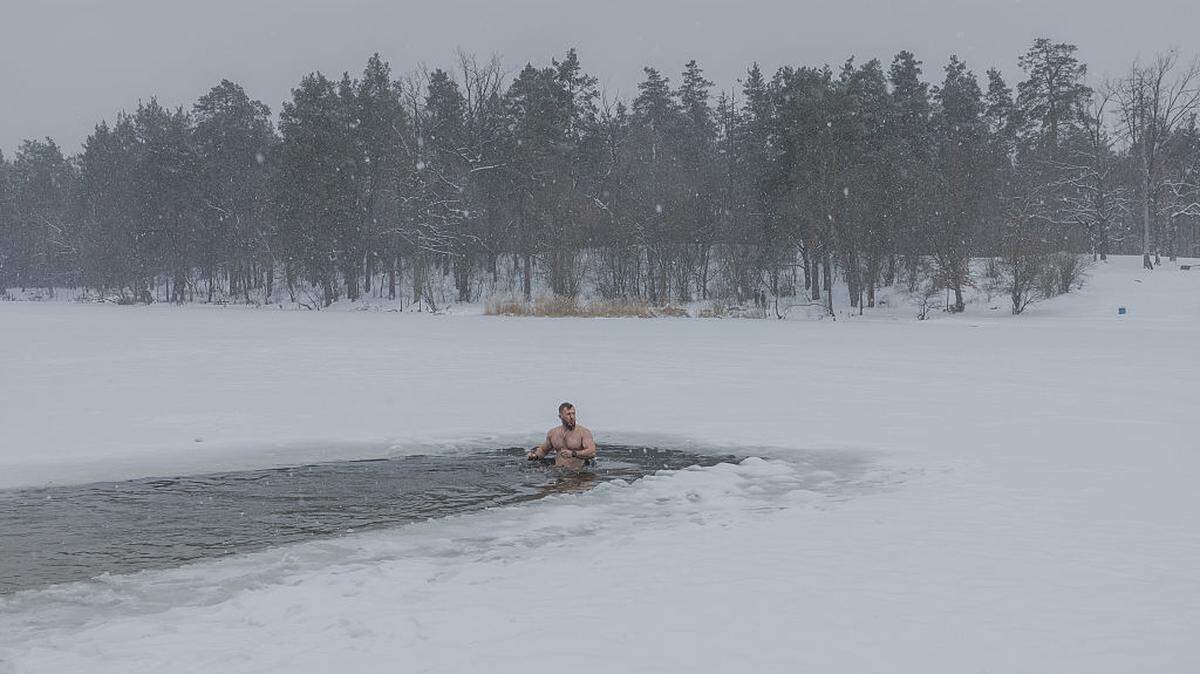
Cold plunges have moved from fringe biohacking into ordinary gym culture. Breathwork apps are mainstream. Ice barrel content fills social media feeds. Most of it traces back, directly or indirectly, to a 65-year-old Dutchman named Wim Hof and a system he has been teaching since the 1990s.
A March 2026 peer-reviewed study of more than 400 adults just gave that system its strongest scientific endorsement yet — while the same research body comes with safety warnings that rarely make it into the headlines.
Who Is Wim Hof and Why Does His Method Matter Now?
Wim Hof was born April 20, 1959, in Sittard, Netherlands. He holds multiple Guinness World Records for cold endurance including a barefoot half-marathon above the Arctic Circle, climbing to 7,400 meters on Everest in shorts and swimming under ice. He is known globally as “The Iceman.”
He developed the method after his first wife’s death in 1995, reportedly turning to cold exposure and breathwork to move through grief and rebuild physical resilience. The approach he arrived at became the Wim Hof Method: a three-pillar system of breathing, cold exposure and mindset training. His guiding philosophy is that anyone can learn what he does, which is why the method has scaled from extreme sport circles into mainstream wellness culture.
How the Three Pillars of the Wim Hof Method Work
Breathing is the core entry point. Practitioners take 30 to 40 deep cyclical breaths, inhaling fully into the belly and chest and exhaling without force. After the final exhale, they hold the breath as long as is comfortable, then take a recovery breath and hold for 15 seconds. The full cycle repeats three to four times over roughly 10 to 15 minutes. It should always be done seated or lying down.
Cold exposure starts with cold showers, typically 30 seconds to begin, and can progress over time to full ice baths. The physiological mechanism involves vasoconstriction followed by vasodilation, training the vascular system’s responsiveness and activating brown adipose tissue, which generates heat by burning energy.
Commitment and mindset is Hof’s third pillar. He describes it as the practice of staying present through discomfort rather than fleeing the stress response. The argument is that this mental training transfers into how the body handles stress more broadly.
What Peer-Reviewed Research on Wim Hof Actually Shows
The March 2026 anchor study is a semi-randomized controlled trial of 404 participants published in Scientific Reports. Over 29 days, WHM practitioners reported greater momentary improvements in energy, mental clarity and stress handling than a mindfulness meditation comparison group.
One finding stands out: the at-home cold shower group performed comparably to participants doing supervised ice baths, suggesting the barrier to entry is lower than the dramatic social media version implies.
The immunology research is more striking. A 2014 Radboud University Medical Center study published in PNAS found that WHM practitioners could voluntarily suppress their immune response to an injected endotoxin, reducing inflammatory proteins TNF-α, IL-6 and IL-8 while increasing anti-inflammatory IL-10. This was previously considered physiologically impossible. The breathing component was identified as the active ingredient, not cold exposure alone.
A January 2026 review in Frontiers in Physiology documented that cold exposure activates brown adipose tissue and can increase plasma noradrenaline levels by up to 530% during immersion. A 2023 neuroimaging study by Muzik and colleagues found six weeks of WHM training produced roughly a 20% increase in CB1 receptor binding across interoceptive brain regions, linked to reduced sub-threshold depressive symptoms.
Why Breathwork Safety Warnings Are Important
The Wim Hof Method works through real physiology. That is precisely what makes it worth taking seriously on safety.
The breathwork has been linked to drowning deaths when practiced in or near water. The controlled hyperventilation can cause lightheadedness and in rare cases brief loss of consciousness. These are not edge-case risks.
Practitioners should follow these guidelines without exception:
- Never practice breathwork in or near water
- Never practice while driving or standing unsupported
- People with heart conditions, high blood pressure, epilepsy or respiratory issues should speak with a doctor before starting
- Cold exposure carries specific cardiovascular risk for people with underlying vascular or heart conditions per the Frontiers in Physiology review
The method’s growing mainstream presence means more people are encountering it without those warnings. The research that validates it also defines its limits, and both deserve equal attention.
This article was created by content specialists using various tools, including AI.