
Common scented home products that can cause everything from headaches to allergic reactions
If you’ve been feeling unusually tired, congested or foggy at home and can’t pinpoint why, your allergies may be reacting to something you barely notice anymore: the scented products quietly layering inside your living space. From plug-in air fresheners to dryer sheets, the items marketed to make a home feel clean and welcoming can release a steady stream of chemicals that irritate airways and trigger symptoms day after day.
The issue isn’t usually one product. It’s the combination of many, working together in rooms with limited ventilation, often used by people who have gone “nose-blind” to how strong the scent has become.
How everyday scent layering fuels allergies
Most homes don’t smell like one product — they smell like many at once. Laundry detergent and dryer sheets blend with plug-in air fresheners, cleaning sprays, candles or diffusers and even HVAC fragrance systems. Each product may seem harmless on its own, but layered together in a closed space, they create a continuous chemical fog that can quietly aggravate allergies, asthma and general fatigue.
Plug-in diffusers and sprays release fragrance continuously, not just when needed. In small rooms, that scent intensity accumulates. Because users typically go nose-blind within days, many respond by adding more product — increasing exposure without realizing it.
What air fresheners actually release
Air fresheners are among the most common household culprits, and the science behind how they affect indoor air is more concerning than most consumers assume. According to Poison.org, “Despite their popularity, some evidence suggests that air freshener products increase indoor air pollution and pose a health risk, especially with long-term exposure. Air fresheners release volatile organic compounds (VOCs) into the air. A VOC is a type of chemical that turns into a vapor or gas easily at room temperature. Health problems are thought to occur as a result of the chemicals in the air fresheners and from their secondary pollutants. Secondary pollutants are formed when a product’s chemicals combine with the ozone already in the air.”
In other words, the chemicals don’t just sit in the air — they react with it, producing new pollutants you never bought, opened or sprayed.
The most common household culprits
If you’re trying to identify what might be triggering symptoms at home, these are the items that show up most often in the research and in allergists’ recommendations:
- Plug-in air fresheners and reed diffusers
- Scented candles and wax melts
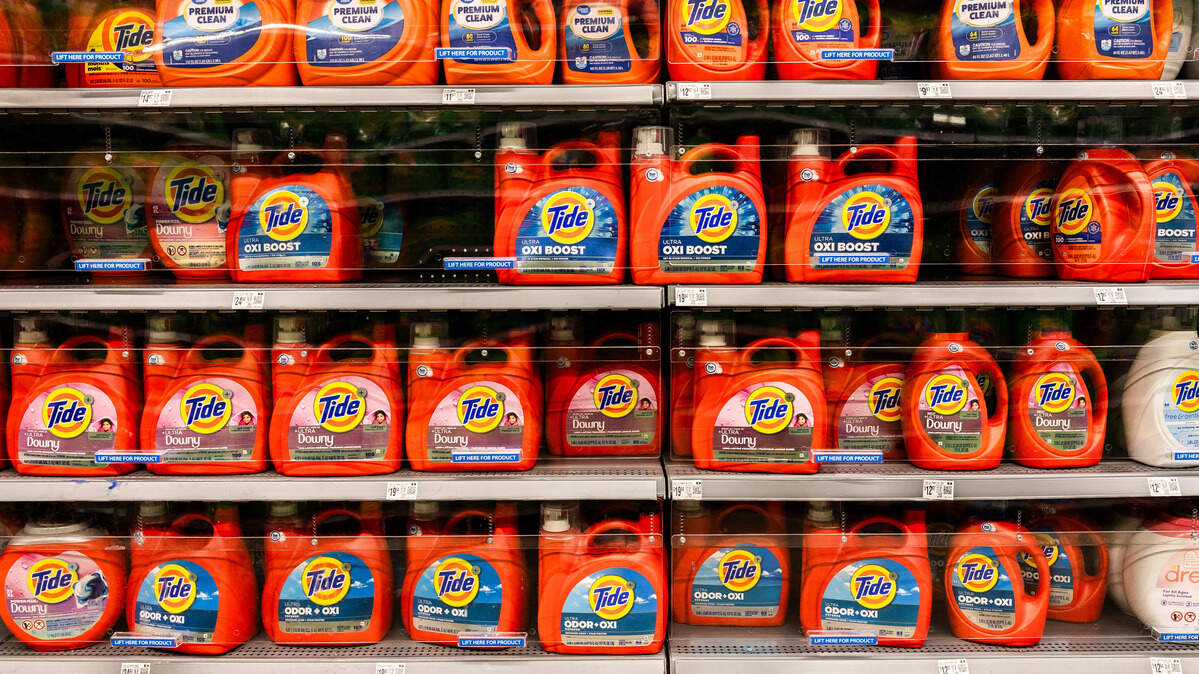
- Laundry detergent, dryer sheets and fabric sprays
- Cleaning sprays and disinfectants with added fragrance
- Carpet powders and “odor eliminators”
Each of these can release fragrance compounds into the air continuously or in concentrated bursts, and most are used in rooms where people sleep, eat or spend hours at a time.
Why “natural” and “unscented” labels can be misleading
Marketing language around home fragrance has shifted in recent years, with more brands positioning their products as wellness items rather than simple home goods. Allergists warn that the labels don’t always match the chemistry inside the bottle.
Stanley Fineman, MD told Medical News Today: “There has been a shift among home fragrance consumers that pleasant smelling homes are not just for the holidays. We also are seeing a trend by manufacturers to market these products as aromatherapy which implies health and mood-boosting benefits although there are no scientific studies to support these claims.Products marketed as ‘all-natural’ or even those that are unscented can emit hazardous chemicals. The safest option is to avoid exposure to pollutants that air fresheners emit.”
That last point matters for anyone managing allergies or asthma: an “unscented” label is not a guarantee of a chemical-free product.
Allergies, asthma and seasonal scent exposure
Home fragrance use tends to spike during the holidays, when candles, potpourri and scented decor fill living rooms. For people with asthma or chronic respiratory conditions, that seasonal increase can lead to a noticeable jump in flare-ups.
The American Lung Association says: “Some of the most common causes of asthma and COPD flare-ups have to do with artificial holiday scents. These scents come from things like candles, air fresheners, dried potpourri and scented pinecones. Though these items are very popular, they pose a similar risk to people with lung disease as air fresheners do all year round. In fact, the American College of Allergy Asthma and Immunology (ACAAI), suggests that if you or someone you live with has asthma, it’s best to avoid air fresheners, scented candles and pinecones.”
The takeaway from allergists is consistent year-round: if someone in the household has asthma or persistent allergy symptoms, the safest move is to reduce or eliminate fragranced products altogether — not just swap brands.
What to do if you suspect your home is the trigger
If symptoms tend to ease when you leave the house and return when you walk back in, your indoor air is worth a closer look. Start by unplugging air fresheners, HVAC scent systems, retiring scented candles and switching to fragrance-free laundry and cleaning products. Open windows when weather allows, and pay attention to whether headaches, congestion or fatigue start to lift over the following days.
Allergies are rarely caused by a single product, which is why scaling back the overall scent load in a home often has a bigger impact than chasing one specific ingredient. This article was created by content specialists using various tools, including AI.