How Yoga, Swimming and Running Each Target the Body’s Stress Response, According to Health Experts
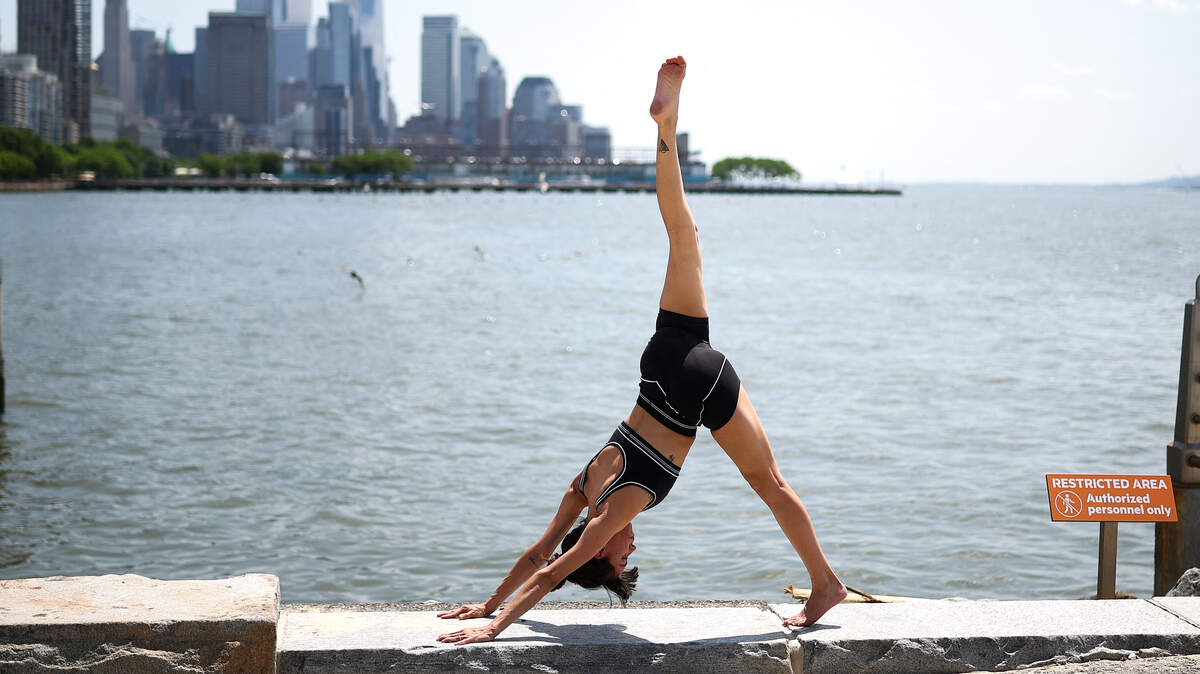
Searches for stress-relief workouts spike whenever life gets loud — and experts say the right movement can shift your mood, your sleep and your stress hormones in a single session. Here’s what the research and trainers actually recommend.
What Are the Best Workouts for Stress Relief, According to Experts?
The five exercises experts most often recommend for stress are yoga, running, swimming, tai chi and strength training, because each one calms the nervous system while improving overall fitness. You don’t need a fancy gym membership to start — almost any consistent movement works.
“Exercise is remarkably effective for managing psychological stress,” Dr. Karmel Choi, an assistant professor in the Center for Precision Psychiatry at Harvard Medical School and Massachusetts General Hospital in Boston, told CNN. “Exercise doesn’t remove what’s causing the stress, but it can boost mood, reduce tension and improve sleep — all of which are impacted by stress — and ultimately this can support people to approach their challenges in a more balanced way.”
The Mayo Clinic backs that up, noting that “almost any form of exercise or movement can increase your fitness level while decreasing your stress. The most important thing is to pick an activity that you enjoy. For example, you might try walking, stair climbing, jogging, dancing, bicycling, yoga, tai chi, gardening, weightlifting or swimming.”
The takeaway: the “best” workout is the one you’ll actually do. If running feels punishing, swap it for a yoga flow. If yoga bores you, try Tai Chi or pick up a set of hand weights. Consistency matters more than intensity when stress relief is the goal.
How Does Yoga Help Reduce Stress?
Yoga reduces stress by pairing slow breathing with grounding postures that quiet the body’s fight-or-flight response. Poses done face down or close to the floor are especially calming because they help you tune out external input and focus inward.
Jessica Rihal, a registered yoga teacher and meditation instructor based in Orange County, California, told SELF that she leans on prone and tabletop positions when she’s feeling overwhelmed.
“I find poses that keep me prone or in tabletop position are most helpful because having my face down allows me to withdraw my senses, focus on breathing and help to promote relaxation,” Rihal said. “I will typically use blocks, a bolster, and even my eye mask to help make my practice supportive and restorative.”
The outlet listed some of Rihal’s favorite poses for relieving stress: Child’s Pose, Cat-Cow, Thread the Needle, Hug the Earth and a reclined position with bolsters or legs up on the wall.
You don’t need a studio to try it. A quiet corner, a mat and 10 minutes of intentional breathing can deliver real benefits — making yoga one of the most accessible stress workouts on this list.
Can Running Really Lower Stress Hormones?
Yes — running helps regulate stress hormones like adrenaline and cortisol while triggering the release of mood-boosting endorphins. That hormonal one-two punch is why so many runners describe a session as cheaper than therapy.
“Running can help take your mind off worries while keeping your body’s stress hormones — such as adrenaline and cortisol — in check. At the same time, the feel-good endorphins that boost your mood during exercise can also help regulate your body’s fight or flight response,” according to the WebMD team.
WebMD also notes that running “lowers stress and improves sleep — both of which support skin health,” though sweating without washing your face afterward can clog pores.
Where you run matters too. “Exercising in nature can improve your mood and provide a sense of overall calm and well-being,” Ayesha Abdeen, MD, chief of hip and knee arthroplasty at Boston Medical Center, said.
Abdeen also emphasized the importance of recovery, adding, “Take the appropriate time to rest. That’s when the body heals and will manifest the benefits of exercise.” In other words: rest days are part of the fitness plan, not a break from it.
Why Is Swimming Considered One of the Best Stress-Busting Workouts?
Swimming combines rhythmic breathing, full-body movement and the calming effect of water — a combination that’s been shown to ease anxiety, lift mood and lower blood pressure. It’s also gentle on joints, which makes it a great option if running or high-impact gym workouts leave you sore.
“Swimming has also been shown to reduce stress levels, improve negative emotional states and even decreases symptoms of anxiety and depression, thanks to the meditative nature of rhythmic breathing and water’s soothing effect,” John Whyte, a practicing physician in Washington, D.C., and the chief medical officer at WebMD, said, per National Geographic.
The cardiovascular benefits are real too. “Swimming is a whole-body rhythmic and dynamic activity that raises your heart rate and reduces your blood pressure effectively,” said Hirofumi Tanaka, coauthor of multiple swimming-related studies and the director of the Cardiovascular Aging Research Laboratory at the University of Texas at Austin.
Evidence suggests swimming helps decrease blood pressure by improving vascular function and reducing inflammation and oxidative stress — meaning the laps you swim today protect your heart tomorrow.
What Makes Tai Chi an Effective Workout for Stress and Sleep?
Tai chi reduces stress through slow, flowing movement and deep breathing that keep the body in near-constant gentle motion. Originally developed for self-defense, it’s now widely used as a meditative workout that’s easy on joints and accessible to beginners of any fitness level.
Aideen Turner, physical therapist and CEO of Virtual Physical Therapists, told Better TODAY that tai chi evolved from a self-defense system into “a gentle way of moving and stretching.”
“Positions flow into the next without a pause so that the body is in constant motion,” Turner said. “It’s very low impact and causes minimal stress on muscles and joints.”
She also emphasized the importance of deep breathing, which is what gives tai chi much of its calming, sleep-promoting effect. Unlike a typical gym session, there’s no pounding, no heavy lifting and no race to a finish line — just measured movement designed to leave you feeling centered.
For readers who find traditional workouts intimidating or physically taxing, tai chi offers a low-barrier entry point with meaningful payoff for both mood and rest.
Does Strength Training Help With Stress and Depression?
Yes — strength training has been shown to help prevent and treat depression while building the physical resilience needed to handle daily stress. And you don’t need a packed gym or heavy barbells to start.
“Strength training isn’t just for muscled athletes trying to push a car. Strength training should be a key part of everyone’s physical fitness routine each week,” Dr. Andrew Brough said, per Penn Medicine.
Brough’s beginner tip: “Start with 5-pound hand weights and slowly build up how much you can lift. Household items like canned goods work too. Or try doing a push-up while standing with your hands against a wall, and gradually increase how steep the angle is until you can do a push-up on the floor.”
Benjamin Snell, MD, a family medicine physician with Lancaster General Health Physicians Family Medicine Twin Rose, suggested folding strength work into routines you already do. “If you’ve already carved time for daily exercise, muscle-strengthening activities can be added in. Consider stopping along your run to do some pushups on the ground, pausing on your walk to go from sitting to standing on a park bench 10 times, or even curling (lifting up) your bicycle with your arms along your bike route,” Snell said.
He added: “There is strong evidence that exercise, including weight training, can help prevent and treat depression.” That makes strength training one of the few stress workouts that actively reshapes both your mental health and your long-term fitness.
This article was created by content specialists using various tools, including AI.