What if a ‘gut reset’ procedure could end the Ozempic rebound? Here's where the research is headed
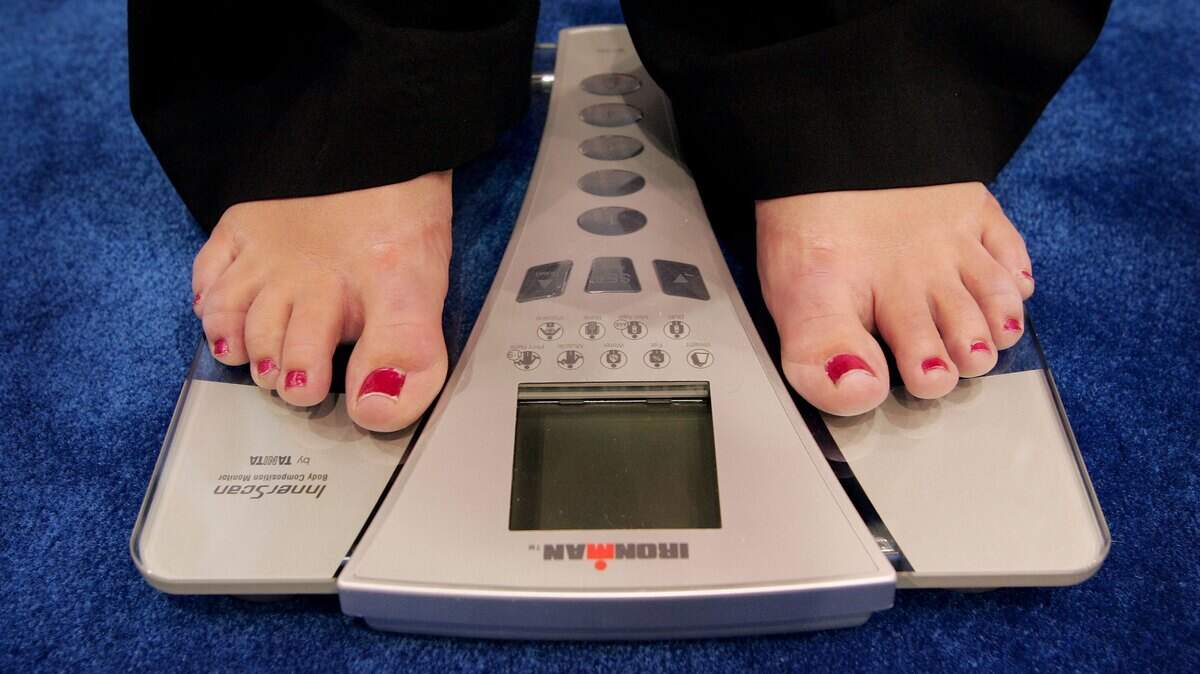
If you’ve lost weight on a GLP-1 drug, you’ve probably heard the warning: stop taking it, and the weight tends to return.
It’s a real concern, and the research backs it up. Most people regain a large share of what they lost within a year of quitting Ozempic or Zepbound.
But a new experimental treatment (an outpatient gut reset procedure) is showing early promise as a way to hold the line. Below, we explain why the ozempic rebound happens, then answer the most common questions about the procedure researchers hope can prevent it.
Why the Ozempic rebound happens
Staying on GLP-1 drugs long-term is the exception, not the rule. A 2024 JAMA Viewpoint estimated that 50 to 75% of users stop within 12 months, usually because of cost, side effects or not wanting to medicate forever.
The trouble starts after the last dose. A 2026 University of Cambridge meta-analysis found that patients regain an average of 60% of their lost weight within a year of stopping.
The good news is that the regain isn’t total. It’s projected to level off around 75% of the original loss, so most people keep off roughly a quarter of what they lost. Still, losing most of your progress is enough to make anyone look for a better option.
That’s where the gut reset procedure comes in.
FAQ about the duodenal mucosal resurfacing “gut reset” procedure
Researchers think the duodenal mucosal resurfacing procedure could finally give people a reliable way to keep the weight off after stopping. It is still experimental, and most of what we know comes from a single early trial.
Below are some of the most common questions about how the procedure works, whether it actually stops the ozempic rebound, what recovery looks like and who can get it right now.
What is the gut reset procedure for GLP-1 weight loss?
The gut reset procedure, formally called duodenal mucosal resurfacing (DMR), is an experimental outpatient treatment. A thin tube is threaded through the GI tract to the duodenum (the top of the small intestine) where heat burns away the unhealthy inner lining to help the body maintain weight loss after stopping GLP-1 drugs.
How does duodenal mucosal resurfacing work?
GLP-1 weight loss drugs mimic the GLP-1 hormone, which controls appetite, blood sugar and digestion. That hormone is made in the duodenum, the same spot DMR resurfaces. By treating the lining where the signal originates, the procedure aims to “reset” the metabolism to match a person’s new, lower weight.
Does the gut reset procedure actually stop the Ozempic rebound?
Early results are promising. In a trial led by Dr. Shelby Sullivan at Dartmouth Health, patients who got the real procedure regained far less weight than a sham group six months after stopping tirzepatide. Those with more of their gut resurfaced regained only about 7 pounds, keeping off more than 80% of their lost weight.
Is the duodenal mucosal resurfacing procedure painful or hard to recover from?
Recovery appears to be quick. Aside from coming out of general anesthesia, there’s little downtime involved. “You can be back to your daily routine in about a day,” Sullivan told U.S. News, adding that participants couldn’t tell whether they’d had the real or sham procedure because there were so few symptoms afterward.
Who can get the gut reset procedure right now?
For now, the gut reset procedure is only available through clinical trials (it isn’t an approved, widely offered treatment yet). A larger study with more than 300 participants is currently underway, fully enrolled and randomized, with early results expected later this year.
Is the gut reset procedure a permanent fix for Ozempic weight loss?
It’s too soon to say. The first trial was small and short, though encouragingly, the benefit grew over the six-month window rather than fading. Researchers plan to keep tracking patients’ weight, and the larger trial should offer a clearer picture of how long the effects last.
What does Sullivan say about the future of DMR for GLP-1 users?
“It’s particularly encouraging that this benefit appears to increase over time rather than fade. Moreover, DMR behaves like a drug in terms of dose response. That gives us confidence that we’re targeting the right biology,” Dr. Sullivan said, per Digestive Disease Week®.
This article was created by content specialists using various tools, including AI.