How a WWII-Era Belief About Carrots Shaped Modern Eye Health Research and Our Understanding of Vision
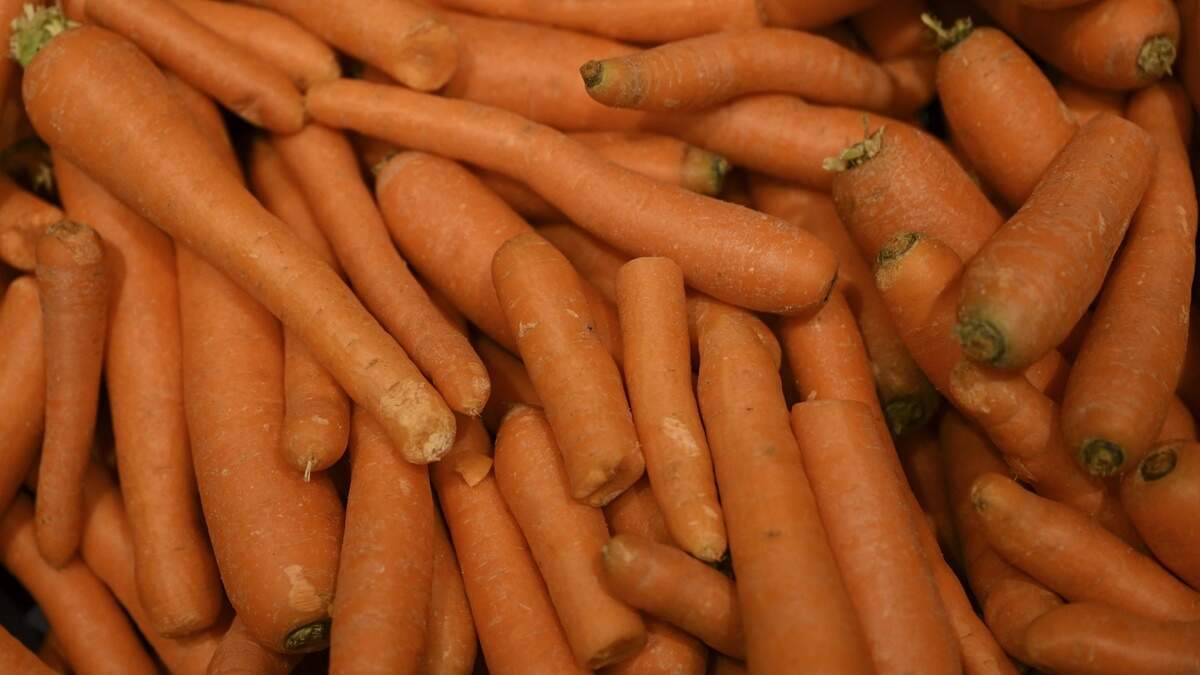
Carrots have been linked to better eyesight for generations, but nutrition experts and ophthalmologists say the truth is more complicated than the old saying suggests.
Do Carrots Actually Improve Your Eyesight?
Carrots are rich in beta-carotene, a plant pigment your body converts into vitamin A, also called retinol. That nutrient helps the photoreceptors in your eyes form the pigments they need to detect light.
“Carrots can help maintain your eye health, but they probably won’t cause any noticeable change in your eyesight unless you have a vitamin A deficiency. In that case, consuming them could potentially help repair some vision problems,” according to Warby Parker. “In short, carrots are good for your eyes, but they don’t automatically improve your vision.”
Why Do People Think Carrots Are Good for Your Eyes?
The belief traces back to World War II-era British propaganda designed to hide a military secret, according to Warby Parker.
During the war, the British Royal Air Force improved its night-fighting success against German bombers using new airborne radar technology. To keep the tech under wraps, officials spread the story that pilots were eating lots of carrots to explain their sharp night vision. After the war, the tale stuck and blended with the legitimate science around beta-carotene and vitamin A, leading to the exaggerated belief we know today.
What Do Ophthalmologists Say About Carrots and Vitamin A?
Ophthalmologists agree that vitamin A is essential for healthy eyes, and carrots are a solid way to get it.
“I don’t think it is a myth,” Dr. Joseph Chacko, director of neuro-ophthalmology at UAMS, said. “Carrots and other colorful vegetables have lots of vitamin A which helps the retina to function. We want our patients to eat more vegetables in their diet.”
Duke ophthalmologist Jill Koury added that “Vitamin A in normal, recommended quantities is essential for the maintenance of good vision.” Milam A. Brantley, M.D., an associate professor of ophthalmology and visual sciences at Vanderbilt University Medical Center in Nashville, told AARP that “the retina needs vitamin A to function.” Brantley noted that adequate vitamin A also helps with night vision and dry eye, both of which worsen with age.
Can Carrots Help You See in the Dark?
No, carrots will not give you night vision, according to Blue Fin Vision.
“While carrots are undoubtedly good for your eyes, their ability to improve night vision is limited,” the practice says. People with a vitamin A deficiency may see some improvement in night vision by eating more carrots, but for those with adequate levels, extra carrots won’t enhance low-light sight. Your body regulates how much beta-carotene it converts to vitamin A, so loading up won’t grant superhuman abilities. Night vision also depends on the health of your retina and rod cells, not nutrition alone.
What Is the Best Diet for Eye Health?
A balanced diet packed with colorful produce is the gold standard for eye health, according to the American Academy of Ophthalmology.
The academy recommends a mix of orange-colored fruits and vegetables with vitamin A, produce rich in vitamin C and vitamin E, leafy greens loaded with lutein and zeaxanthin, plus beans and zinc. Eye Health Clinic echoes that approach, noting that “simply eating carrots isn’t enough to give you the best possible eye health.” Beta-carotene also shows up in sweet potato, cantaloupe, pumpkin and winter squash. And don’t skip the sunglasses, the clinic adds, since UV protection plays a role in long-term eye health too.
This article was created by content specialists using various tools, including AI.