Peptides Aren't Actually Legal Yet, Here's What Has to Happen Before RFK Jr.'s 2026 Plan Takes Effect
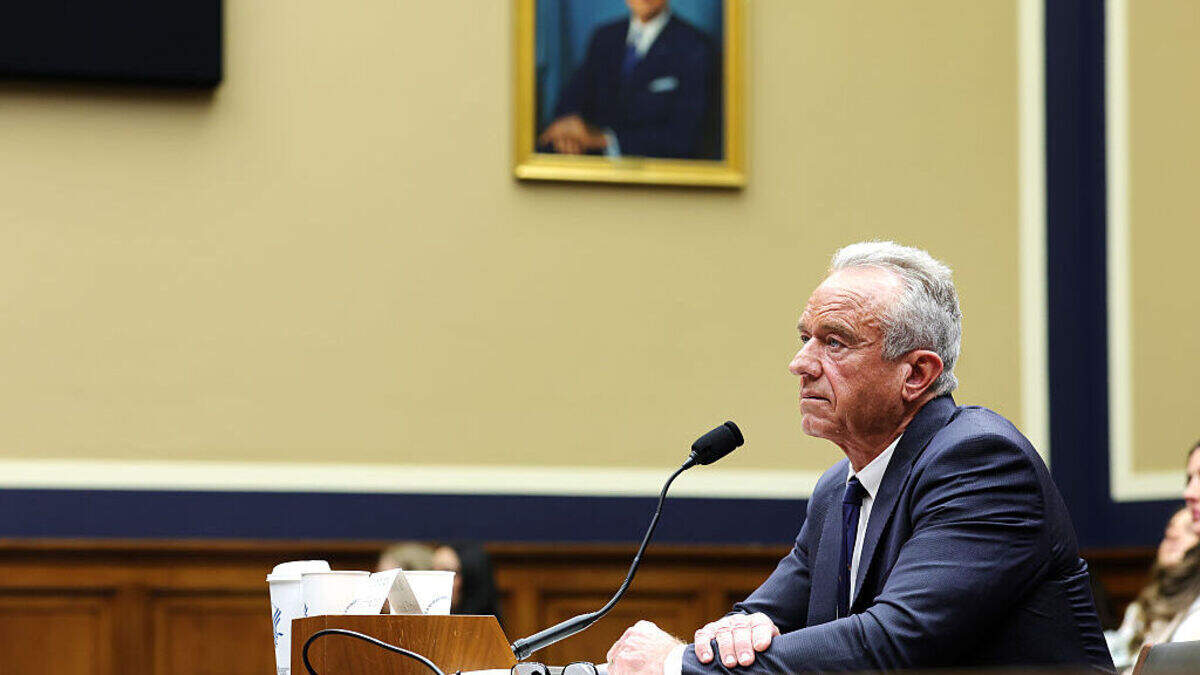
Headlines are saying peptides are “legal again” after HHS Secretary Robert F. Kennedy Jr.’s February announcement, but the reality for patients asking about peptides like BPC-157 is narrower and slower than the social media chatter suggests.
What Did RFK Jr. Announce About Peptides on Joe Rogan’s Podcast?
On February 27, 2026, Kennedy said on “The Joe Rogan Experience” that roughly 14 of the 19 peptides the FDA restricted from compounding in 2023 would move back to legal status. The announcement signaled policy direction, not a completed rule change.
No FDA rule has formally changed. No Federal Register notice has been issued, and no statute has been amended. Some reports cite an April 23, 2026 effective date, but the FDA’s own advisory committee docket shows a smaller set of compounds still under active review through July.
So the claim that “14 peptides are legal now” overstates where things actually stand. Kennedy’s announcement matters because HHS sets the direction, but the mechanics of reclassification still run through the FDA’s compounding advisory process.
Is BPC-157 Legal in 2026?
BPC-157 is among the peptides expected to return to Category 1 status, which would restore a legal compounding pathway under prescription. As of the latest reports, the FDA has not finalized the change.
BPC-157 is scheduled for review at the FDA’s Pharmacy Compounding Advisory Committee meeting on July 23, 2026, along with KPV, TB-500 and MOTS-C. A second day on July 24 covers Emideltide, Semax and Epitalon. That’s seven substances on the official agenda, not the 14 cited in Kennedy’s announcement.
Much of the public’s interest in BPC-157 specifically traces back to its mention on Rogan’s own show, where the host has credited it with speeding his recovery from injuries. Even if reclassification goes through, BPC-157 would still require a physician prescription filled through a licensed compounding pharmacy. None of these peptides have completed phase 1 through 3 trials for the uses they’re commonly marketed for.
Which Peptides Are Expected to Stay Restricted?
Fewer than the “five peptides left behind” framing suggests, and not the same five most coverage named. Per the FDA’s own current Category 2 list, checked directly against the agency’s page, only GHRP-2, GHRP-6, Ibutamoren mesylate and Kisspeptin-10 remain genuinely restricted today. Ipamorelin acetate is a partial exception. Its listing for 503A pharmacies was withdrawn, but it stays restricted under the separate 503B pathway used by larger compounding facilities.
Most of the peptides commonly named in coverage of Kennedy’s announcement, including BPC-157, Thymosin Alpha-1, TB-500, CJC-1295, AOD-9604, GHK-Cu, Selank, Semax, KPV, MOTS-C, Emideltide, Epitalon and Cathelicidin LL-37, already had their Category 2 nominations withdrawn, some well before Kennedy’s February podcast appearance. Melanotan II and PEG-MGF, despite being widely reported as likely holdouts, have also been withdrawn from the restricted list.
Withdrawal removes the Category 2 safety flag but doesn’t formally clear a substance for compounding. That’s a separate step, the FDA’s review of whether to add a substance to its approved 503A Bulks List, and that’s exactly what the July 23 and 24, 2026 advisory committee meeting covers for seven specific substances: BPC-157, KPV, TB-500, MOTS-C, Emideltide, Semax and Epitalon.
The FDA originally moved all 19 substances to Category 2 in late 2023, citing safety concerns and a lack of human trial data. Experts disagree on whether that 2023 restriction was justified in the first place. A STAT First Opinion piece by UC Davis researcher Paul Knoepfler argues the reclassification weakens FDA oversight, while Pharmacy Times frames the broader question as one where reasonable people land on different sides.
Interest in Peptides?
Celebrity endorsements have helped move peptides from niche biohacking circles into mainstream wellness conversations, even as regulators sort out the legal status.
Jennifer Aniston has spoken openly about getting weekly peptide injections to support her skin, and she’s now a paid spokesperson for a peptide supplement brand, which has put a recognizable face on a trend that was largely anonymous a few years ago. The market that’s grown around that kind of attention sits largely outside the prescription compounding system Kennedy’s announcement addresses.
Per Associated Press reporting, unregulated vials are available online in the $300 to $600 range per vial, and some clinics build entire membership tiers, running into the thousands monthly, around these same compounds. Reclassification wouldn’t legitimize that gray market. Vendors selling vials online without a prescription operate outside the compounding pharmacy process regardless of what category the FDA assigns.
What Should You Do If You’re Considering Peptide Therapy Now?
Talk to a licensed physician and use a licensed compounding pharmacy rather than buying from online vendors. The legal pathway, even if expanded, runs through prescriptions and regulated pharmacies.
Reclassification governs compounding legality only, not FDA drug approval. A peptide moving back to Category 1 doesn’t mean it’s been proven safe and effective for the conditions it’s marketed to treat. The advisory committee meetings on July 23 and 24, 2026 will determine which substances move forward and under what conditions. Until the FDA issues a formal notice, the 2023 restrictions technically remain in place.
Patients asking about peptides for injury recovery, anti-aging or weight management should weigh the absence of completed clinical trials against the marketing claims they’re seeing online, including the kind of premium pricing showing up on biohacking clinic menus. The contrast with FDA tightening on GLP-1 compounding shows regulators aren’t moving in one consistent direction across the wellness drug category.
This article was created by content specialists using various tools, including AI.