
Birding Is Having a Major Moment. Here’s Why More Young Adults Are Picking Up the Hobby
Birding is having a moment and it’s not just retirees with binoculars anymore. Roughly 96 million Americans ages 16 and older now identify as birders, according to the U.S. Fish and Wildlife Service’s 2022 demographic and economic survey on birding, the most comprehensive study to date. That’s 37% of the adult population, with Millennials and Gen Z driving much of the surge.
The pandemic lit the fuse. Apps, TikTok and Instagram kept it burning. And researchers are finding that paying attention to birds may quietly be one of the best things you can do for your brain and your mood.
Why birding exploded and why young people lead the way
When COVID-19 shut down offices and shuttered indoor entertainment, people went looking for a safe, free, outdoor hobby. Calls to Mass Audubon exploded in 2020 as newly remote workers wanted to know what, exactly, was singing outside their windows. The hobby has only grown since, and a big chunk of the momentum is being carried by younger adults discovering it through online communities and social media.
“There’s lots of drama. This connection we have with nature is a lot like being in love. I don’t know how else to describe it other than attachment,” Joan Walsh, chair of field ornithology and natural history at Mass Audubon, told TIME.
A turning point came in 2021, when the Merlin Bird ID app added the ability to identify birds by their vocalizations. The Cornell Lab of Ornithology’s free tool racked up 7.5 million new users in 2024 alone.
“It’s like Shazam, but for birds,” Steve Hale, founder of Open World Explorers, told Reader’s Digest of Merlin Bird ID.
Part of the appeal despite the digital tools, birding remains stubbornly analog. You still have to go outside, stand still and look up.
As nature cartoonist Rosemary Mosco wrote in her book, “The Birding Dictionary” “If you love observing birds, you’re a birder. If you’re new to the hobby, you’re a birder. If you love birds but have never heard any of the slang or scientific jargon in this book before, you’re a birder. If you’re the type of person who judges other birders for not knowing enough about birds, you’re still a birder, but you’re also an ass.”
How many people are birding right now
The U.S. Fish and Wildlife Service’s 2022 survey broke down the hobby in detail. Of the 96 million American birders ages 16 and up, the overwhelming majority do most of their watching from home. The data also helps explain why birding doesn’t require travel, gear or expertise to get started most participants are simply paying closer attention to what’s already around them.
- **Backyard birders ** 91 million people, or 35% of the U.S. population
- Travel birders (those who took trips of at least a mile specifically to watch birds) 43 million people, or 16% of the population
- **Merlin Bird ID growth ** 7.5 million new users in 2024 alone
What birding does for your brain and mental health
Birding isn’t just a pleasant way to spend a Saturday morning it may actually be reshaping the brains of people who do it seriously. A study on bird-identification experts published in the Journal of Neuroscience found distinct structural and functional differences in brain regions involved in memory, attention and visual processing. The findings suggest that birding and similar hobbies may boost overall brain health. The research doesn’t definitively prove that birding halts cognitive decline, but the evidence is promising.
The mental health benefits are clearer. A study published in October 2023 found that seeing or hearing birds improved people’s mental well-being an effect that persisted beyond the moment of the encounter itself.
The apps and tools birders actually use
The digital side of birding has lowered the barrier to entry dramatically. A beginner with a smartphone can identify a bird by sound, log it to a global database and connect with experienced birders within minutes. Still, seasoned birders say apps work best alongside traditional tools, not as replacements for them.
- Merlin Bird ID (free) Cornell Lab of Ornithology’s app identifies birds by photos and songs. It added 7.5 million users in 2024.
- eBird (free) Logs sightings and turns amateur birders into citizen scientists contributing real research data.
- Audubon Bird Guide (free) Builds skills through identification filters and pointers.
- **Larkwire ** Teaches birdsong through interactive quizzes.
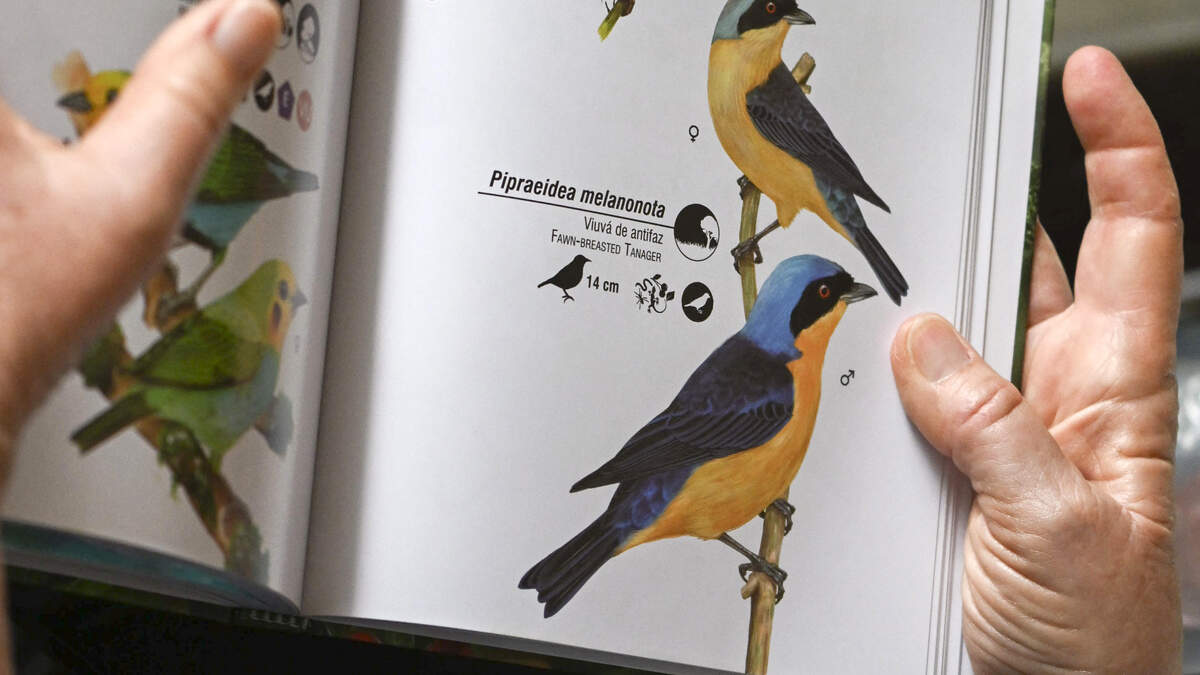
- **Paperback field guides ** Still worth carrying. Apps tend to funnel birders toward just one or a few likely matches, while a field guide offers the broader picture.
How to start birding wherever you live
You don’t need to drive to a nature preserve to get started. City parks and urban green spaces often sit along key migratory routes, and skills build over time the more you go out, the more you see. A few practical ways to get going
- Use apps, but also go analog. Apps are great for quick identification, but field guides give a broader picture of what you’re looking at. Both belong in any birder’s toolkit.
- Attract birds to your yard. Trees provide nesting spots and insects. Shrubs offer berries and cover. Wildflowers and grasses deliver seeds and pollinators. Vines feed birds and soften fences.
- Time your outings. Timing matters even in urban areas, particularly during spring and fall migration.
- Practice consistently. Skills compound recognition gets faster, ears get sharper, and patterns emerge.
- Make it social. Find a birding club and join bird walks, lectures and events. Opportunities are often more abundant in cities than newcomers expect.
This article was created by content specialists using various tools, including AI.
This story was originally published June 17, 2026 at 7:52 PM.
.jpeg)