Is your closet making mornings harder? What the paradox of choice means for your future wardrobe dilemma
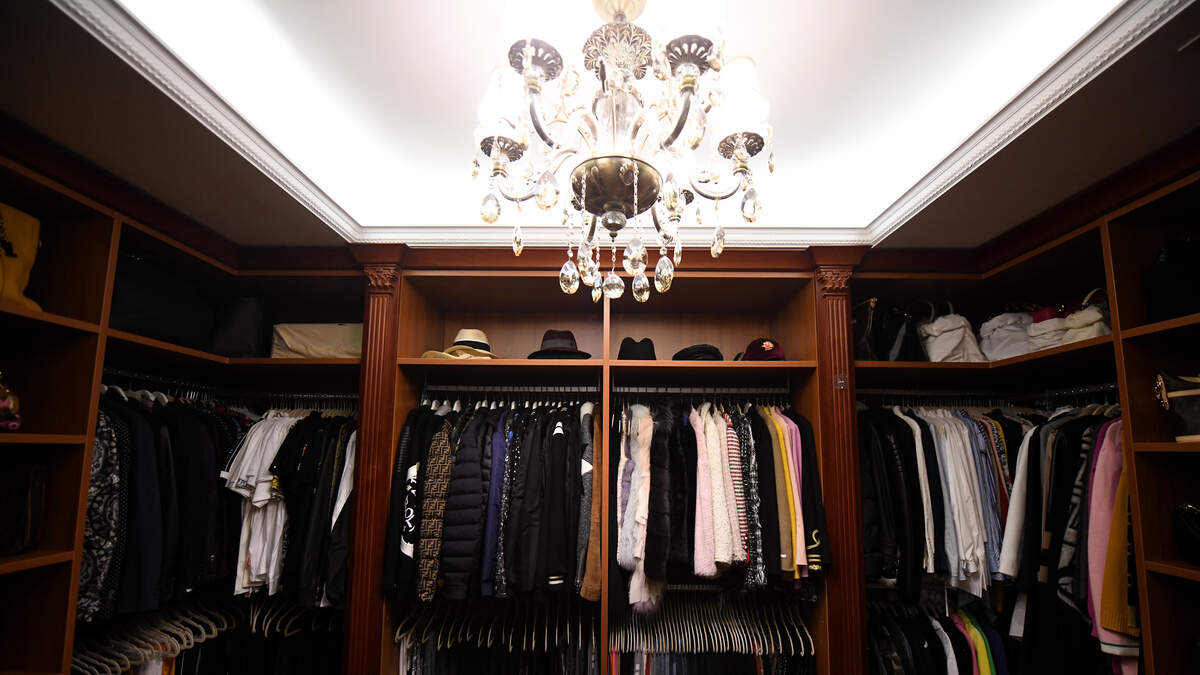
You have stood there before. The closet is open, the clothes are plentiful and somehow the verdict is still “I have nothing to wear.”
It is one of the most relatable frustrations of modern life, and it has a real psychological explanation called the paradox of choice. Once your options pass a certain point, more of them stops helping and starts working against you.
This is not only a closet problem. The same pull shows up in the grocery aisle, the streaming menu and the endless scroll of a dating app, and it quietly taxes the rest of your day along the way.
With wardrobes now bigger and cheaper than ever, that morning standoff has become an everyday drain on your time and mental energy. Below are the questions people ask most about why it happens and how to make getting dressed feel easy again.
What is the paradox of choice?
The paradox of choice is the idea that having more options can leave you less satisfied rather than more. Beyond a certain point, each extra choice adds effort, doubt and the fear of picking wrong. Psychologist Barry Schwartz popularized the term in his 2004 book The Paradox of Choice: Why More Is Less. Freedom of choice is good, but there is a tipping point where it flips from liberating to paralyzing.
Is the paradox of choice backed by real research?
Yes. The most cited evidence is the jam study, run by psychologists Sheena Iyengar and Mark Lepper and published in 2000. A tasting booth offered shoppers either 24 jams or just six. The bigger spread drew more browsers, but the smaller one converted far better: roughly 30% bought from the six-jam table versus about 3% from the 24-jam one. More options pulled people in and then stopped them from buying.
Is more choice always a bad thing?
No, and that nuance is the heart of the idea. Some choice is genuinely good and leaves you freer and more satisfied. The trouble only starts past a tipping point, where extra options stop adding value and start adding stress. The goal is not zero choice. It is the right amount.
Why do I feel like I have nothing to wear when my closet is full?
Because “I have nothing to wear” is rarely about a true shortage of clothes. It is the mental gridlock of too many options and not enough pieces that work together. “Women often feel like they have nothing to wear because they have too many options and not enough staple pieces,” stylist Rianna Faye told Harper’s Bazaar. A packed closet does not free you. It freezes you.
Can owning too many clothes really cause stress?
Yes. A wardrobe crammed with options can leave you feeling more anxious and less able to decide, not better off. Stylist Anna Cascarina described the root problem to Harper’s Bazaar: “When it comes to getting dressed, nothing feels cohesive. The biggest mistake is building a wardrobe in pieces rather than as a system.” Fewer pieces that actually coordinate tend to lower the stress.
What is the difference between analysis paralysis and decision fatigue?
They are the short-term and long-term costs of too much choice. Analysis paralysis is the in-the-moment freeze, when you stare at 40 shirts, cannot commit and fall back on the same few you always wear. Decision fatigue is the slow drain, where each choice spends a bit of a limited mental reserve, so a hard outfit call at 7 a.m. leaves you with less for everything after it. Put simply, analysis paralysis is what your closet does to your morning and decision fatigue is what it does to your whole day.
Why do people like Barack Obama wear the same outfit every day?
To protect their mental energy by deleting a daily decision. By sticking to a fixed rotation, figures like Steve Jobs and Barack Obama spend almost no willpower on getting dressed. “You’ll see I wear only gray or blue suits. I’m trying to pare down decisions. I don’t want to make decisions about what I’m eating or wearing. Because I have too many other decisions to make,” Obama told Vanity Fair in 2012.
Does the paradox of choice affect anything besides my closet?
Very much so. The same overload hits you in the grocery aisle, the restaurant search, the streaming queue and any app with endless options. Wherever the choices outnumber your ability to easily compare them, you get the same stall and the same energy drain. Your closet is simply the version you face every single morning.
How do I stop feeling paralyzed by my closet every morning?
The fix is not more willpower. It is fewer things to decide. Pick tomorrow’s outfit the night before, when no clock is running and your energy is full. Then cull the pieces you never wear and organize what is left so you can see everything at a glance, which stops your brain from second-guessing whether a better option is buried in the back.
How many clothes do I actually need?
There is no magic number, since it depends on your lifestyle and climate. A more useful guide is your wear rate, because most people use only a small slice of what they own. If a piece has gone unworn for a year and you would not buy it again today, it is probably adding noise rather than value.
What is a capsule wardrobe and does it really help?
A capsule wardrobe is a small intentional set of clothes chosen to mix and match as a system rather than a heap of one-off buys. It helps because it targets the root cause: fewer total options, and every one of them works with the others. That is exactly the structure the paradox of choice calls for. Fewer choices, all of them good.
Where should I start if I only do one thing?
Pick tomorrow’s outfit tonight. It is the single easiest win, because it shifts the decision to a moment when you are calm instead of rushed. You wake up to a choice that is already made, which spares you both the morning freeze and the daily drain. Build from there once it becomes a habit.
This article was created by content specialists using various tools, including AI.