
Meet the cleaners designed to support a healthier home and what that means for your family
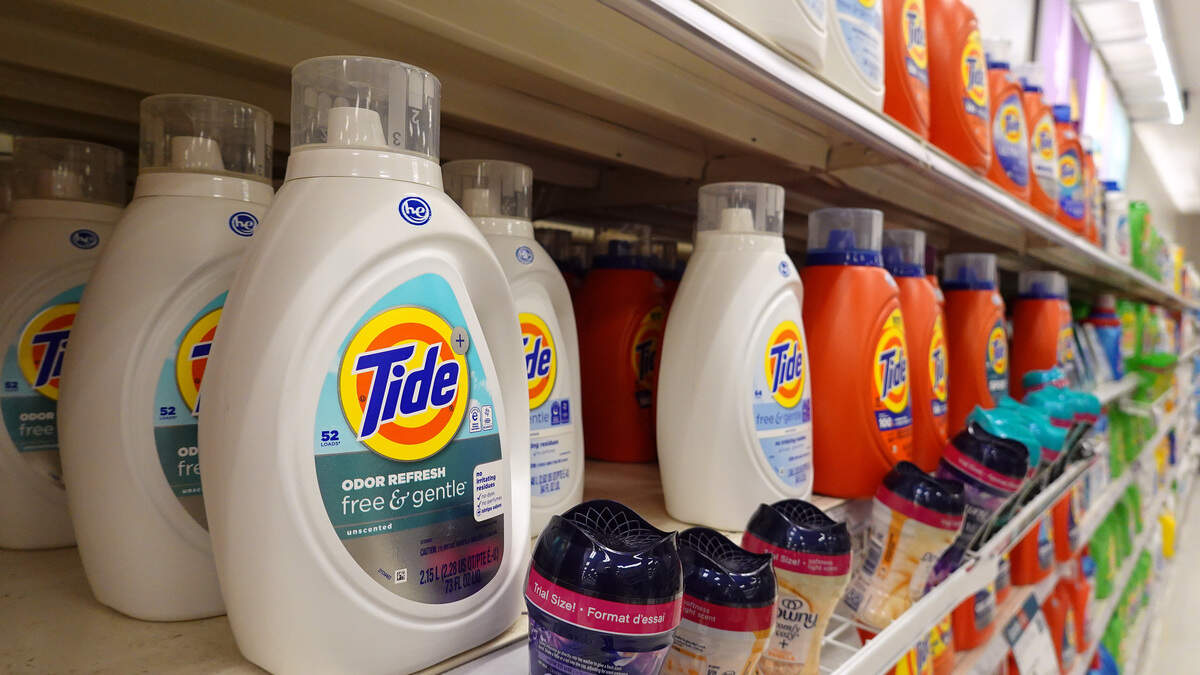
The bottles under most kitchen sinks do more than scrub counters. They shape the air a family breathes, the residues that linger on surfaces and the runoff that eventually leaves the home. Choosing cleaners with that bigger picture in mind has become a practical question for anyone trying to make their home safer without giving up on a sparkling finish.
Cleaning experts and consumer watchdogs increasingly point to a small set of ingredients and product types that handle most household jobs while reducing exposure to harsh chemicals. Here is what to know about the cleaners that actually support a healthier home environment not just a cleaner one.
Why ingredients in home cleaners matter
The chemicals used to scrub a home do not simply disappear down the drain. Editors at The Good Trade note that cleaning products are essential and used daily, but the chemicals “linger on our surfaces and vaporize into the air.” Over time, that exposure can cause irritation, allergies “or worse,” and rinsed-away residues can also harm aquatic life. That is why nontoxic options have become the default for households trying to protect kids, pets and the people who live there.
Sydney Cook with Consumer Reports flags specific ingredient categories worth watching. “Some ammonium quaternary compounds, which are commonly used as disinfectants, are linked to reproductive harm in animal studies, as well as asthma and irritation,” Cook writes. “Formaldehyde, which can be released from some preservatives and is linked to cancer, and bleach, which is used to kill germs and is associated with asthma, can be released into the air from cleaning products.”
White vinegar the multipurpose stain solution
White vinegar shows up in nearly every conversation about safer cleaning for a reason. Ken Doty, COO and cleaning expert at The Maids, told Kristin Granero at Yahoo that the pantry staple does a lot of heavy lifting. “White vinegar is a natural anti-fungal, antibacterial, whitener and deodorizer, making it one of the most versatile ingredients in eco-friendly cleaning products,” Doty said. “It can be mixed with water, baking soda and other ingredients to create stain removers, degreasers and more.”
That versatility is why a single jug can replace several specialty sprays cutting both cost and the number of chemical formulas circulating through the house.
Hydrogen peroxide as a bleach alternative
For households trying to step back from chlorine bleach, hydrogen peroxide is the most-cited swap. Karina Toner, operations manager at Spekless, told Ciera Cree at Homes & Gardens that the trade-off is generally favorable, with one caveat.
“Hydrogen peroxide can be safely used on most surfaces, including natural stones, wood and fabrics, without causing damage,” Toner said. “However, when it comes to larger cleaning jobs or tougher ones such as tackling mold, the product may not penetrate porous surfaces as deeply as bleach. Using bleach to kill mold is a more suitable choice.”
The takeaway hydrogen peroxide handles routine disinfecting on a wide range of materials, but deep mold remediation may still call for stronger chemistry.
Baking soda for smells, odors and grease
Baking soda earns its place in a healthier home because of how it works on odors. Rather than covering smells with added fragrance, it neutralizes them by binding with odor-causing compounds which is why it lands inside fridges, trash cans and slow drains.
A few reasons it remains a staple
- It neutralizes odors instead of masking them, making it useful for fridges, trash cans and drains
- It is non-toxic and food-safe when used as directed, so it works in kitchens and around kids and pets
- It cuts through grease buildup on stovetops, pans and range hoods
Paired with white vinegar or hydrogen peroxide, baking soda forms the backbone of a kit that can replace most single-purpose sprays.
The fragrance problem in home cleaning products
One of the more overlooked health concerns in home cleaning is fragrance itself. Cook of Consumer Reports recommends going fragrance free, and the reason is regulatory ingredient lists do not always disclose what is actually inside a scent.
“Because the components of a fragrance are not always required to be listed on labels, fragrances can contain hundreds of hidden ingredients, many of which have been associated with a host of health problems, including endocrine disruption, cancer and developmental toxicity,” Cook writes. “Plus, fragranced cleaning products can also contribute to indoor air pollution.”
For people sensitive to scents or households with asthma, allergies or small children switching to unscented or naturally scented formulas is one of the simplest changes with the biggest payoff.
Plastic-free dishwasher tabs and hidden microplastics
Healthier home cleaning is not only about what touches surfaces. It is also about what ends up in the water. Plastic-free dishwasher tabs are a growing category because they avoid the hidden microplastics found in some conventional pods, keeping those particles out of wastewater and, eventually, the broader environment.
It is a small swap with an outsized cumulative effect for households that run a dishwasher daily.
Building a healthier home cleaning routine
Putting it together does not require a full overhaul. A workable starter kit looks like this
- White vinegar for stains, deodorizing and general degreasing
- Hydrogen peroxide as an everyday bleach alternative on most surfaces
- Baking soda for odors, drains and grease
- Fragrance-free formulas to reduce indoor air pollution
- Plastic-free dishwasher tabs to keep microplastics out of the water supply
As The Good Trade editors put it, nontoxic cleaning products are what households “gravitate towards to help keep our home and environment as safe and healthy as possible for not only ourselves but our families and fur babies too.”
This article was created by content specialists using various tools, including AI.