New research links semaglutide to improved lymphatic function: Why lymph matters more than you think
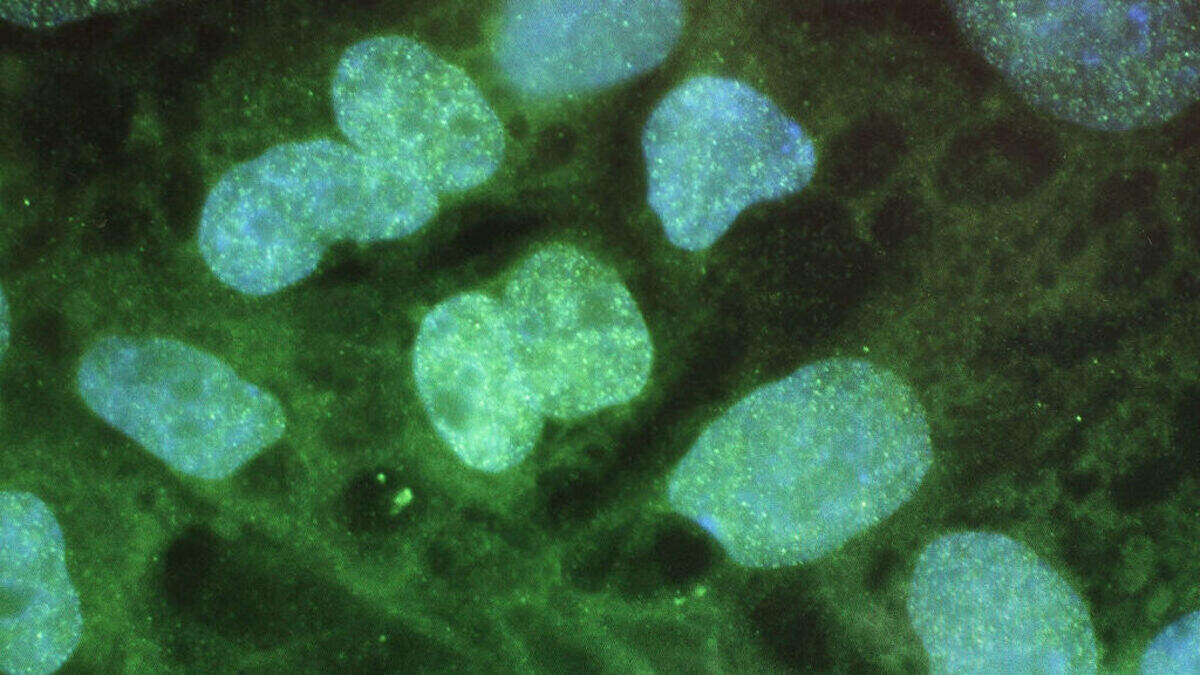
Lymphatic drainage has gone from clinical therapy to viral wellness trend in the span of a few years. But the system behind it has been working inside your body your entire life. Here’s what you actually need to know.
What Is the Lymphatic System?
It’s your body’s internal filtration and fluid management network. The lymphatic system is a collection of vessels, nodes and organs running alongside your circulatory system through nearly the entire body, according to StatPearls.
Its fluid, called lymph, is colorless and watery. It originates as blood plasma that seeps through capillary walls into surrounding tissue, then picks up white blood cells, proteins, dietary fats and cellular waste including bacteria, viruses and damaged or cancerous cells on its way through the system, Cleveland Clinic explains.
The lymphatic system is also a core part of your immune defenses. Its two inseparable jobs are reabsorbing excess fluid from tissues and coordinating how immune cells move and respond throughout the body, according to a 2025 paper in the Annual Review of Physiology.
If There’s No Pump, How Does Lymph Move?
Your heart drives blood. Nothing drives lymph. That’s the defining feature of the system, and the reason your behavior directly affects how well it functions.
Lymph moves through muscle contractions, deep breathing and physical movement, with one-way valves inside lymphatic vessels preventing backflow, Cleveland Clinic notes. Fluid travels progressively toward the chest and drains back into the bloodstream near the collarbone via the thoracic duct. Along the way, it passes through roughly 600 lymph nodes, with the largest clusters at the neck and jaw, armpits, chest, abdomen, groin and behind the knees.
Inside those nodes, immune cells including lymphocytes, which the white blood cells the system produces, identify and destroy pathogens, damaged cells and cancer cells before clean fluid returns to circulation. The swollen tenderness in your neck when you’re sick is those nodes actively filtering.
What Happens When Lymph Flow Slows Down?
Sedentary days, long flights, dehydration, hormonal shifts and poor sleep can all reduce lymph flow in otherwise healthy people. When fluid sits in tissue instead of draining, it shows up as facial puffiness, swollen ankles, bloating, fatigue and a general heavy feeling.
Because lymph flow and immune cell movement are tied together, sluggish drainage doesn’t just affect how you look, it can also slow your body’s ability to detect and respond to infection. The gut’s lymphatic vessels additionally absorb fat-soluble vitamins A, D, E and K, so compromised flow can affect nutrient uptake too.
Age makes the issue more pressing. A 2025 systematic review in The Journal of Prevention of Alzheimer’s Disease found aging directly reduces the brain’s lymphatic clearance capacity. Researchers are now testing whether surgical techniques to restore that drainage could serve as an intervention for Alzheimer’s and Parkinson’s disease.
What’s Driving This Trend, and How is Semaglutide Connected?
Searches for vibration plates as a lymphatic drainage tool rose more than 3,100 percent between 2020 and 2025, and searches for lymphatic face brushes climbed nearly 2,850 percent in the same window, according to Google Trends data cited by WWD.
The surge has a few drivers. Post-pandemic interest in preventive and immune health pushed the topic into mainstream wellness. The GLP-1 weight loss wave added a new audience. A 2026 study in Microcirculation found GLP-1 receptors are present in lymphatic vessel walls and that semaglutide may improve lymphatic pumping capacity, suggesting a real biological connection between these medications and lymphatic function that researchers are still unpacking. Social media did the rest, turning jade rollers and dry brushes into household staples.
Does Lymphatic Drainage Massage Actually Do Anything?
It depends on who’s getting it. For people with diagnosed lymphatic dysfunction, including those recovering from surgery involving lymph node removal, managing lymphedema or navigating certain cancer treatment side effects, manual lymphatic drainage has solid clinical backing.
For otherwise healthy people hoping to slim, sculpt or “detox,” the evidence is much thinner. UCLA Health physicians said in January 2026 that a healthy body already moves lymph on its own through movement, breathing and hydration.
Targeted massage can help with specific short-term issues like post-travel swelling or post-procedure recovery. But gua sha tools, dry brushes and vibration plates work best as additions to an active lifestyle, not replacements for it.
What’s the Most Effective Thing You Can Do For Lymph Flow?
Walk. Drink water. Breathe deeply. These three things drive more lymph movement than any tool on the market. Adding regular movement that engages the muscles around major node clusters (the legs, core and arms) gives the system its best chance of running efficiently. Quality sleep matters too, since that’s when much of the body’s filtering and repair work happens.
If you’re dealing with persistent swelling in one limb, lymph node enlargement that doesn’t resolve, or swelling after cancer treatment, those are signs to see a physician rather than reach for a roller.
This article was created by content specialists using various tools, including AI.