Are you building a chicken coop in your backyard? Here’s what aspiring chicken keeps need to plan for
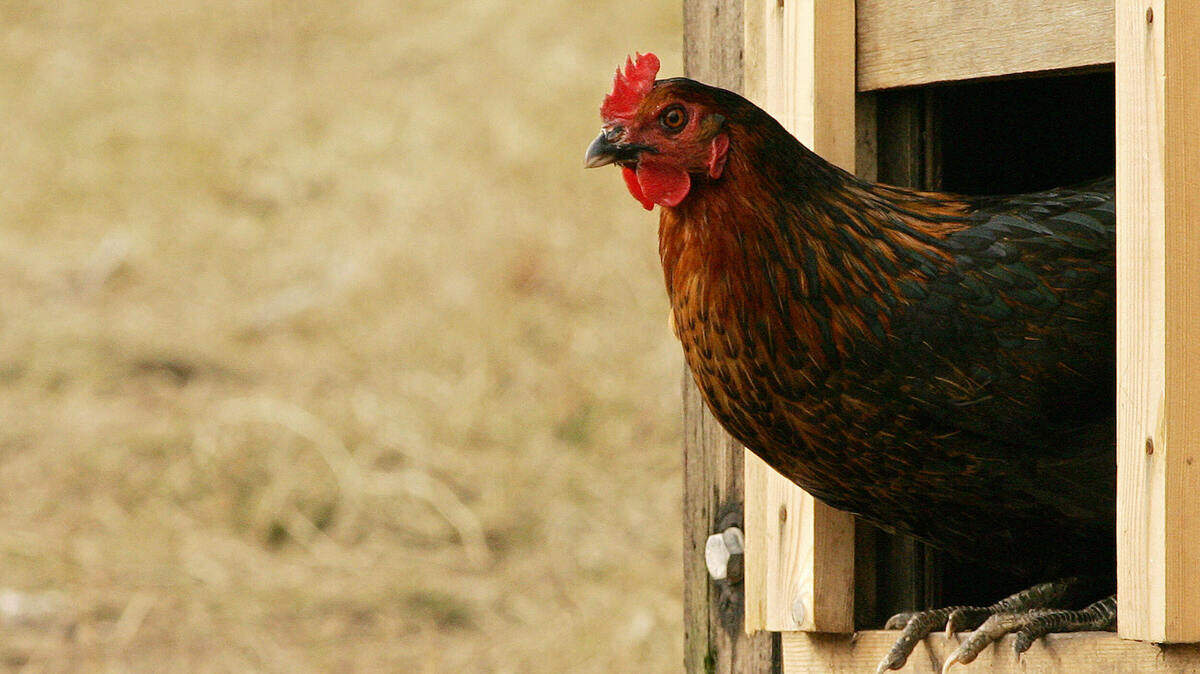
So you’re thinking about getting backyard chickens.
Maybe a neighbor has them and the eggs they dropped off last week were unreasonably good. Maybe you watched egg prices climb last year and decided you’d had enough of being at the grocery store’s mercy. Maybe you just want a pet that does something useful besides shedding on the couch.
Whatever brought you here, the questions tend to be the same. How much will this cost? Is it even legal where I live? Do I need a rooster? Can I leave for the weekend? What happens when they stop laying?
None of it is as complicated as it sounds, and the learning curve is shorter than most beginners expect.
Are backyard chickens legal where I live?
Probably, but with caveats. Most U.S. cities allow hens. Many ban roosters, cap how many birds you can keep and require coops to meet specific standards. HOA rules can be stricter than city law, so check both before you spend money.
Why are backyard chickens so popular right now?
Egg prices kicked it off. After avian flu hit commercial flocks, eggs hit $6.23 per dozen in March 2025. Households responded by buying birds. Even celebrities like Martha Stewart and Jennifer Garner have joined in, which helped the trend go mainstream.
How many people own backyard chickens?
The American Pet Products Association now counts around 11 million U.S. households with pet chickens, making them the third most common pet in the country. A separate 2024 study estimated that there are more than 85 million backyard chickens in the United States.
How many backyard chickens should I start with?
At least three. Chickens are flock animals and a solo bird gets stressed and sick. Four to six is the practical sweet spot for most beginners.
Do I need a rooster to get eggs?
No. Hens lay regardless of whether a rooster is around. Roosters are only required if you want fertilized eggs to hatch chicks, and most cities ban them anyway because of the noise.
How much does it cost to start raising backyard chickens?
Plan on $500 to $2,000 for the initial setup, which covers the coop, run, feeders, waterers, bedding and the birds themselves. Feed and bedding are the ongoing costs after that.
Will backyard chickens save me money on eggs?
Almost certainly not. Once you’ve priced a proper coop, feed, bedding and the birds, the per-egg math rarely beats the grocery store. People keep chickens for the pets, the practice and the freshness, not the savings.
Which backyard chicken breeds are best for beginners?
The right pick depends on your climate, how many eggs you want and whether kids will be involved. Michigan State University’s chicken breed chart lays out the trade-offs clearly.
How big should my backyard chicken coop be?
A 4-by-8-foot coop with an attached run houses four to six standard hens comfortably. The general rule is 4 square feet of coop space per bird and 10 square feet of run per bird. Bantams need about half that.
How do I build a chicken coop without construction experience?
The skills required for building a chicken coop are basic. Most DIY builds take two or three weekends with a circular saw, drill, staple gun and level. Frame a raised floor 12 to 18 inches off the ground, build the walls with 2x4s, pitch the roof for drainage, add ventilation up high and nesting boxes inside. The harder part is predator-proofing, not carpentry.
Can I just buy a pre-built chicken coop instead?
Yes, but expect to pay a premium. Pre-built coops are convenient and skip the weekend labor, though they often skimp on ventilation, predator-proofing or interior space. A DIY chicken coop usually costs less and fits the flock better.
Can I use chicken wire for the run?
No. Chicken wire keeps chickens in, not predators out. Raccoons can tear through it. Use half-inch hardware cloth instead, buried 12 inches down or skirted outward to stop diggers, with a covered top to block hawks.
What predators should I worry about?
It depends on where you live. Raccoons, foxes, hawks, neighborhood dogs and rats are the usual suspects. Generic predator-proof claims aren’t enough. Build for what’s actually in your area.
How to raise chickens for eggs day to day?
The daily routine for how to raise chickens for eggs is about 10 to 15 minutes: refill food and water, collect eggs, open the coop at dawn and close it at dusk. Weekly takes 30 to 45 minutes for scooping droppings, refreshing bedding and scrubbing the waterer. Monthly is a deeper clean and a check on each bird.
When will my hens start laying eggs?
Between 18 and 22 weeks old. Productive breeds lay four to six eggs per bird per week during peak years, with a noticeable drop in winter when daylight shrinks.
How long do backyard chickens live?
Five to ten years, but they only lay productively for the first two or three. If you can’t commit to keeping or rehoming non-laying birds, this isn’t the right pet for you.
Can I leave my backyard chickens alone for a weekend?
A day or two at most, and only with food, water and a closed coop secured before you leave. Anything longer needs a sitter. As Melissa Caughey of Tilly’s Nest puts it, finding a chicken sitter is rarely hard once fresh eggs are part of the offer.
Should I tell my neighbors before getting backyard chickens?
Yes. Legal permission isn’t the same as social permission. A heads-up and a standing offer of fresh eggs prevents a lot of complaints before they start.
This article was created by content specialists using various tools, including AI.