The Triangle’s favorite sushi bar? Diners narrowly pick innovation over tradition
.jpg "With two locations in North Carolina, The Cowfish Sushi Burger Bar is one of Raleigh’s most popular sushi restaurants.")
The Triangle’s favorite sushi restaurant serves a bento box that is unlike any other.
In it you might find a sushi roll and salted edamame, but also French fries and a small cheeseburger, stretching the boundaries of fusion cuisine.
Though it is not traditional, The Cowfish Sushi Burger Bar is wildly popular and has been named the Triangle’s favorite sushi restaurant by readers of The News & Observer. In one of The N&O’s narrowest finals ever, with 51 percent of the votes, Cowfish edged influential Raleigh spot Waraji Japanese Restaurant by 53 votes.
The final pitted tradition versus innovation and with a tally akin to a toss-up, Triangle diners appear torn on what it means to find the best sushi. But what’s clear is that sushi continues to soar in popularity.
“It’s humbling honestly,” said Cowfish co-owner Alan Springate. “Everyone in our business works really hard. It’s such an honor when people let you know they’re supportive and appreciative of what you do.”
Cowfish started in Charlotte in 2010 and the Raleigh location will celebrate its 10th anniversary this year, proving an unorthodox idea has found a fanbase.
Co-founder Springate said Cowfish was founded on failure — that two other restaurants of his, an Asian concept and a burger concept, were struggling. He couldn’t stop thinking of combining the two, he said.
“The joke is my business partner (Marcus Hall) called me an idiot and hung up the phone,” Springate said. “But then he called me back a few minutes later. When you start running it through your head it begins to make sense.”
Sushi burgers?
The Cowfish menu is half burger bar, half sushi bar, but does very little to blend the two. You won’t find a smashburger topped with thinly sliced tuna, though you can order The All-American Bacon Double Cheeseburgooshi, which has the elements of a cheeseburger served as a sushi roll.
“We rolled the dice, but didn’t know what people would do or think,” Springate said. “We just knew we had to focus on quality from the start and also not take everything else so seriously.”
Cowfish combines two seemingly opposite ends of the culinary spectrum: the beloved yet humble cheeseburger, best when griddled in grease and served with fries; and the refined tradition of sushi, where flavors are often delicate and subtle, with raw fish served simply and naked, with nowhere to hide.
Cowfish takes sushi seriously
Though the concept aims for fun, Springate said Cowfish takes sushi seriously.
“We’ve fudged some boundaries and it’s hard to deny we’ve pushed some lines and taken a little different approach, but one thing we do hold very seriously is the quality of the fish and rice we serve,” Springate said.
“There are only a limited number of things that make a difference in sushi and it’s the quality of the fish and the rice. We take both things very seriously.”
But contemporary sushi is often not very simple, with many restaurants serving rolls that seem to create their own tradition. Cowfish thrives in pushing those limits and Springate said one of its most popular rolls is the Mark’s Roll, named for the creator. It’s made of tuna, jalapeno and cream cheese, then coated in panko bread crumbs and quickly fried.
Today sushi is more accessible than it’s ever been, packaged for grab-and-go at the grocery store and carved out in corners of larger menus, not just at sushi bars. Springate believes the health factor, creativity and general deliciousness has led to its ubiquity.
“It’s amazing to watch how sushi has exploded everywhere,” Springate said. “You go to a football game now and they’re selling it. But one thing we’ve learned is it’s easy to have sushi, but really difficult to do it well.”
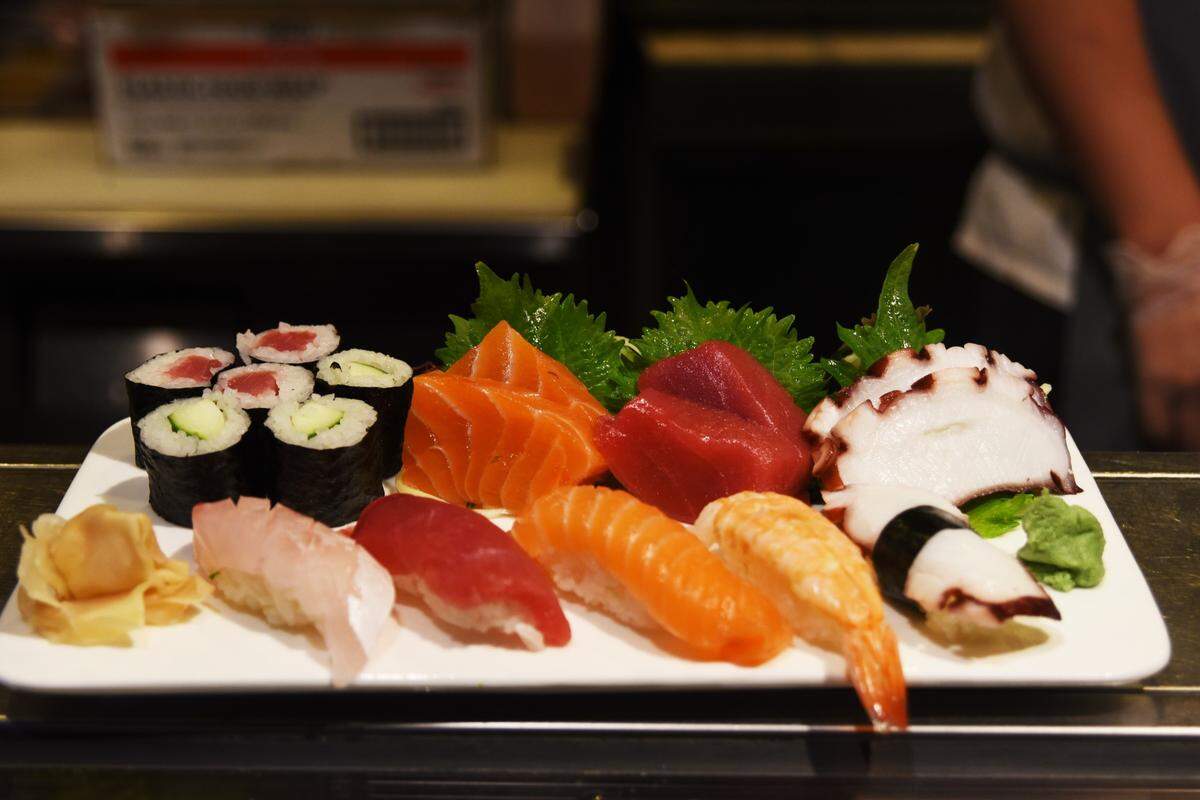
Sushi runner-up: Waraji Japanese Restaurant
One of the Triangle’s earliest sushi restaurant’s recently entered a new era. Longtime chef and owner Masa Tsujimura sold the northwest Raleigh restaurant in 2021 and entered a semi-retirement. Waraji’s new owner is Reuben Rodillas, who had worked with Tsujimura more than two decades ago at Kanki.
In carrying on the torch of a 26 year-old restaurant, Rodillas said he wanted to keep Waraji largely the same as it’s always been.
“I knew Masa and Waraji were ready for retirement...and we both knew I wouldn’t change anything, keeping the name, the style and techniques,” Rodillas said via text message. “We continue to add new flavors but not replace the originals.”
Waraji was opened by married couple Masa and Naomi Tsujimura in 1997. Masa moved to the United States in the 1980s as an engineering grad student, but began working in restaurants in Florida and later North Carolina.
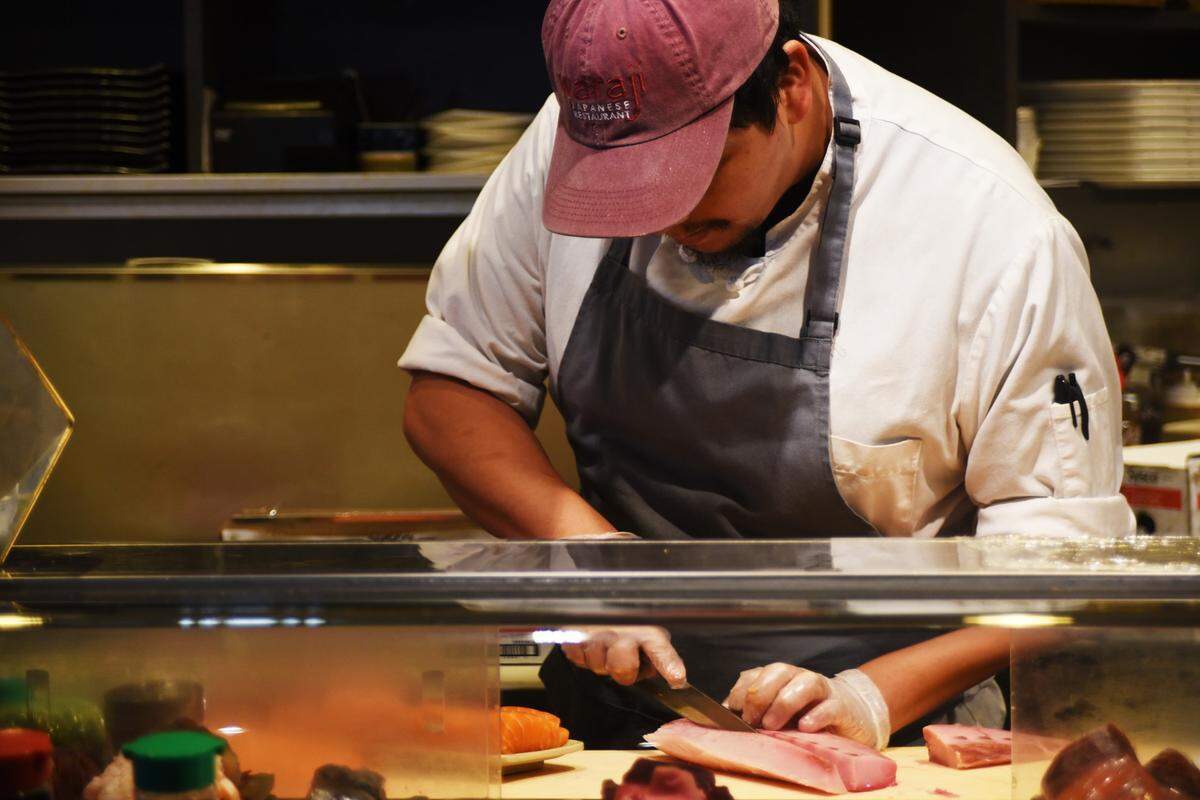
“Cooking was more my passion than my business,” Masa said. “Then my passion became my profession.”
In opening his own sushi bar, Masa said he was often teaching diners about the cuisine for the first time. Today, though sushi is everywhere, he said there’s a gulf between great and passable sushi.
It starts, he said, with perfect rice that’s not pressed too firmly together, needing an airiness to allow the grains to spread out in the mouth.
“If the rice is too hard you’re not tasting anything,” Masa said. “Once it’s airy, it falls apart and mixes with the fish, that’s how you taste it.”
Today Masa works weekend shifts behind the sushi counter and Waraji is bigger than it’s ever been. When Rodillas took over, he purchased the next-door space, which had been a wine bar, and expanded the restaurant.
Following the closing of Yamazushi in Durham, Waraji looks to be the Triangle’s oldest sushi restaurant. Masa said he’s proud the legacy is continuing.
“To me, I’m really honored to get all the awards and recognition, but at the same time the restaurant is not just made by me,” Masa said. “It was built by all the employees and the guests. They made the atmosphere.”
This story was originally published July 21, 2023 at 4:32 PM.