Do NC’s iconic bright red hot dogs have the red dye banned by the FDA? We checked
Among North Carolina frankfurter aficionados, the state’s signature bright red hot dog is a thing of pride and beauty.
Distinctively tubular, the tradition of these vibrant hot dogs stretches back nearly a century and across multiple small-town manufacturers.
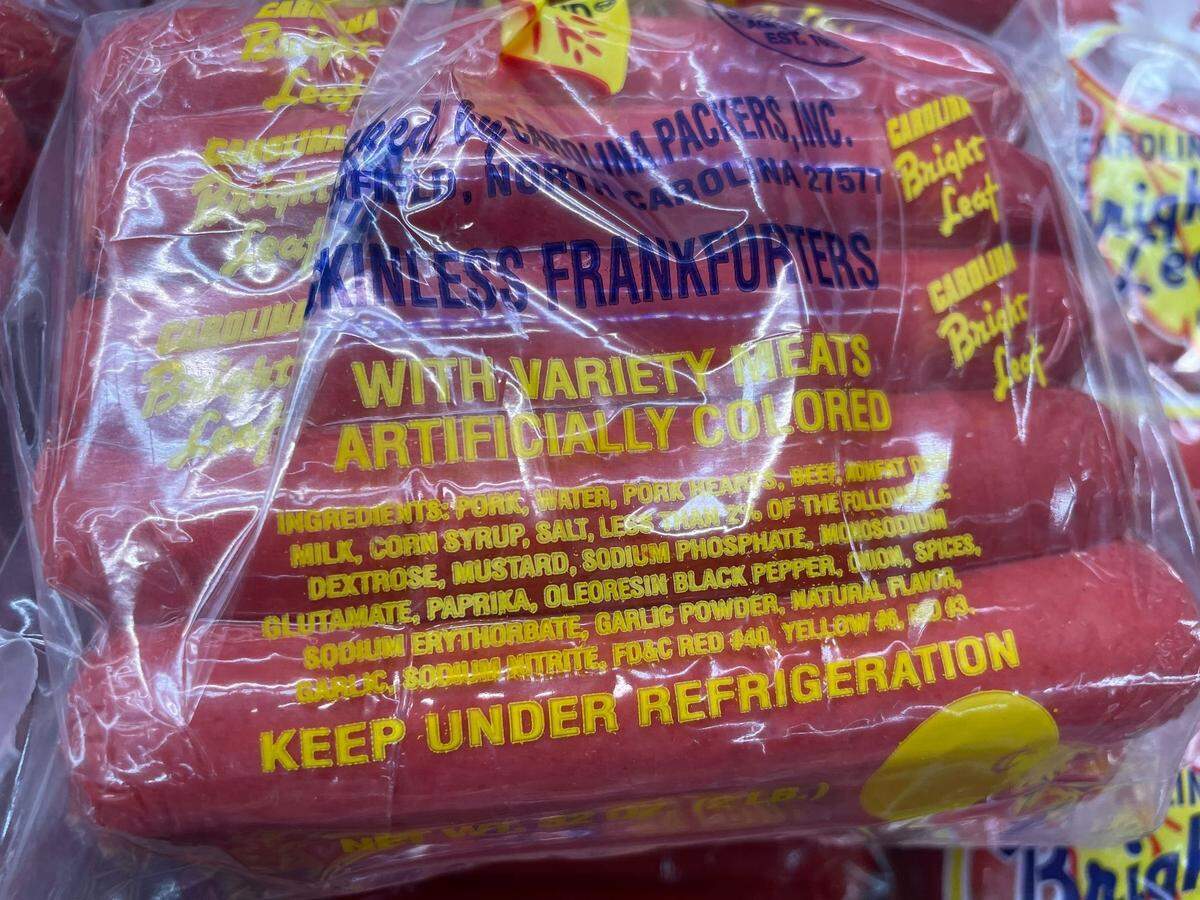
Cherry red, like a matte fire engine, these hot dogs owe their glow to a cocktail of food dyes, often including Red No. 3, a dye recently banned by the Food and Drug Administration.
Does this mean the signature bright red Carolina dog is on the way out? We looked into it.
Who makes red hot dogs in North Carolina?
Perhaps the biggest name in North Carolina hot dogs is Brightleaf from Smithfield company Carolina Packers. Brightleaf’s signature red dog has been around for 84 years, created, according to the Carolina Packers website, to set them apart from regular dogs.
“These franks were dyed red to distinguish themselves as a genuine Southern delicacy and stand out among the competition,” the Brightleaf website says. “Today, the tradition is so strong that many locals won’t even consider a brown hot dog.”
But Brightleaf isn’t the only red dog in North Carolina; it’s not even the only one in Smithfield.
The state’s other red hot dog makers include:
- Steven’s in Smithfield
- Jesse Jones in Raleigh
- Star’s, which are made by Steven’s
- Pender’s in Rocky Point
- Curtis, which are made by Brightleaf
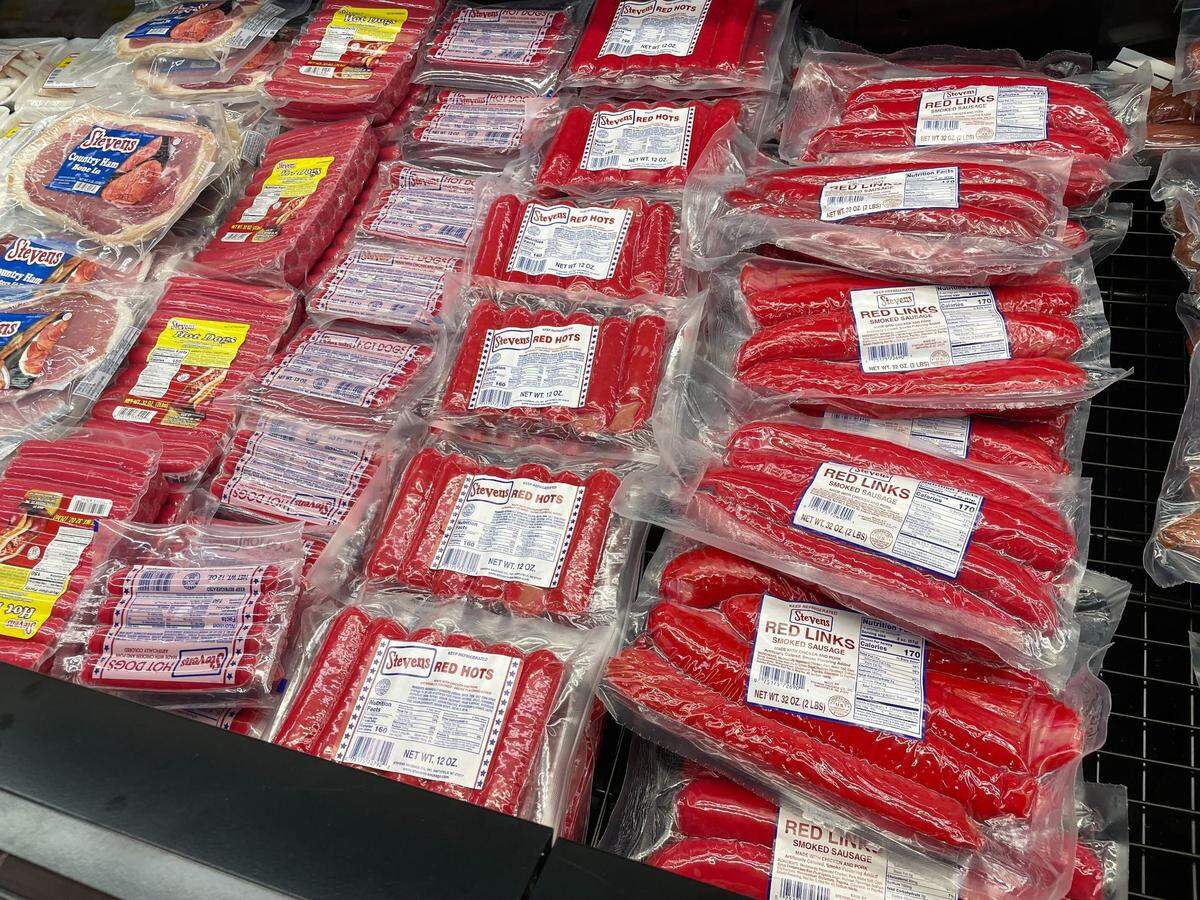
Many of these producers also make a spicy sausage known as a “Red Hot,” which is also made with food dye and usually considered part of the hot dog world.
Red hot dog love extends beyond North Carolina, with red hots and dogs also found in Maine, Georgia and Tennessee.
Which hot dogs include Red No. 3
According to the packaging, Brightleaf’s hot dogs, red hots and smoked sausage are made with Red No. 3.
The now-banned dye is also found in Jesse Jones Red Hots (but not the brand’s hot dogs, which use Red No. 40); Star’s Red Hots; Steven’s Hot Dogs, Red Hots and Smoked Sausage; and in Curtis Hot Dogs.
Some of the products we checked contain more than one dye: Red No. 3, Red No. 40 and Yellow No. 6.
While appearing bright red, Pender’s Red Hots do not list a food dye among the ingredients.
Why is Red No. 3 banned?
In an order issued on Jan. 15, the FDA said companies could no longer use Red No. 3, pointing to two studies linking large amounts of the dye with cancer in male lab rats.
In its order, the FDA noted that the way Red No. 3 causes cancer in rats doesn’t happen in humans and that humans typically eat smaller amounts of the dye than the levels used in the study.
That Red No. 3 is often used in some hot dogs may surprise consumers, as the dye is mostly associated with the coloring in cakes, candy and icings.
Can you still buy red hot dogs?
The new ban on Red No. 3 is only a week old, which means anything made with the dye is likely still on shelves.
The ban doesn’t go into effect for two more years, with a Jan. 15, 2027 deadline for manufacturers to stop using the dye in foods.
What does this mean for red hot dogs in North Carolina?
We called every red hot dog maker in the state and only one offered a comment on the new Red No. 3 dye ban — Brightleaf maker Carolina Packers.
“Carolina Packers has been crafting Bright Leaf Hot Dogs and other quality meat products for over 80 years,” said Carolina Packers CFO Kurt Byrd in a statement. “We follow all FDA & USDA regulations and remain committed to delivering the unique flavor and quality our customers love. The vibrant red color of our hot dogs is a hallmark of our brand, and we’ll always preserve the integrity of our products. We appreciate your support — Bright Leaf Hot Dogs are here to stay.”
This story was originally published January 23, 2025 at 5:30 AM.