‘Best by’ & ‘use by’ food dates aren’t really about safety, experts say. How to use them
It’s 2 p.m. Muscle memory guides your hand into the refrigerator for the milk (or milk-alternative product) necessary to enhance your afternoon caffeinated beverage of choice.
By chance you notice the date printed on the top of the container.
Uh oh, it’s expired.
Cautiously you remove the cap and peer in. It looks fine.
You hold the bottle closer to your schnoz. It smells fine.
So you go ahead and make your drink.
Are you OK? Chances are, yes, because as it turns out, those “best by,” “use by” and “sell by” food labels are — with some exceptions — not about safety.
“With the majority of products on which you may see that on the label, that’s voluntary, and it’s at the discretion of the manufacturer to indicate best quality of the product,” Anita MacMullan, the director of the Food and Drug Protection Division at the North Carolina Department of Agriculture & Consumer Services, told The News & Observer in a phone interview.
What do food product labels mean?
There are four commonly used phrases printed on food products, the USDA says:
- Best if used by/before: The date tells when a product will be of best flavor or quality.
- Sell by: Stores use this date to know how long to display the item for inventory management.
- Use by: This is the last date recommended for use of the product at its best quality.
- Freeze by: This date tells when a product needs to go in the freezer to maintain peak quality.
Are food product labels required?
Federal regulations require infant formula to include a food date label to ensure that the product contains the right amount of nutrients and can pass through a typical bottle nipple, according to the U.S. Department of Agriculture.
For all other food products, federal regulations don’t require a date label.
“Quality is quality and food safety is food safety,” MacMullan said.
What should you do if food at home is ‘expired’?
You don’t need to automatically throw away the food if the best-by date has passed, MacMullan said.
Instead, she said, use your senses. Does the item smell, look and feel like it should? It’s probably fine to eat.
If there are signs of decomposition or a foul odor, that could indicate a food safety issue.
As part of a national effort to reduce food loss and waste, the Food and Drug Administration and the USDA are asking consumers for feedback on the labels to determine whether confusion about food date labels contributes to food waste.
“It has been estimated that confusion over the multitude of different date labeling terms on food products accounts for about 20% of food waste in the home,” FDA Deputy Commissioner for Human Foods Jim Jones said in a recent news release.
Provide feedback on food date labeling by Wednesday, March 5 at federalregister.gov.
What should you do if you see an expired food item at the grocery store?
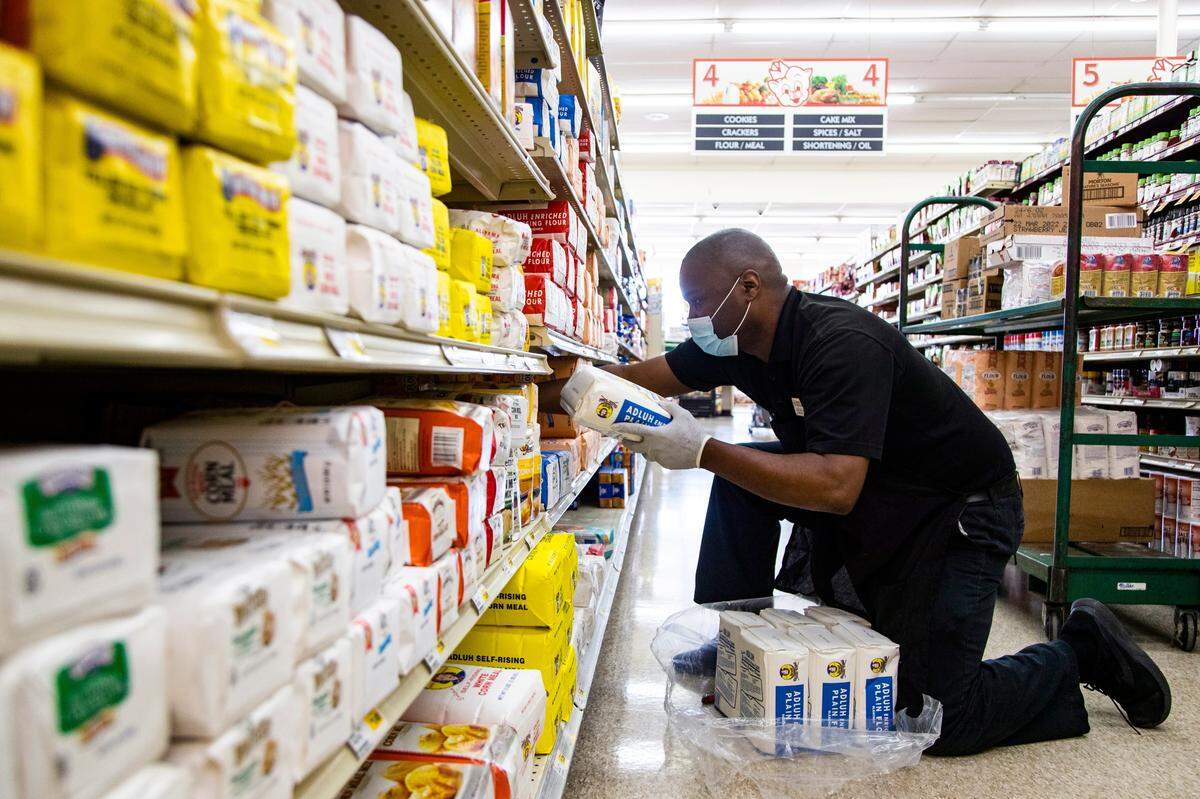
Customers should pay attention to food date labels at the supermarket to ensure they are purchasing a product that will maintain a good quality once they take it home, MacMullan said.
They can also inform a store employee if they see an item that is past its date.
“Use all your senses when you go grocery shopping,” MacMullan said. “Groceries are really expensive right now, so you want to make that really good, informed decision, and use all those factors — including the date — when you make a selection as to which product from the display you want to purchase.”
This story was originally published February 14, 2025 at 8:27 AM.