
Well-dressed garden: Growing cool-season flowers
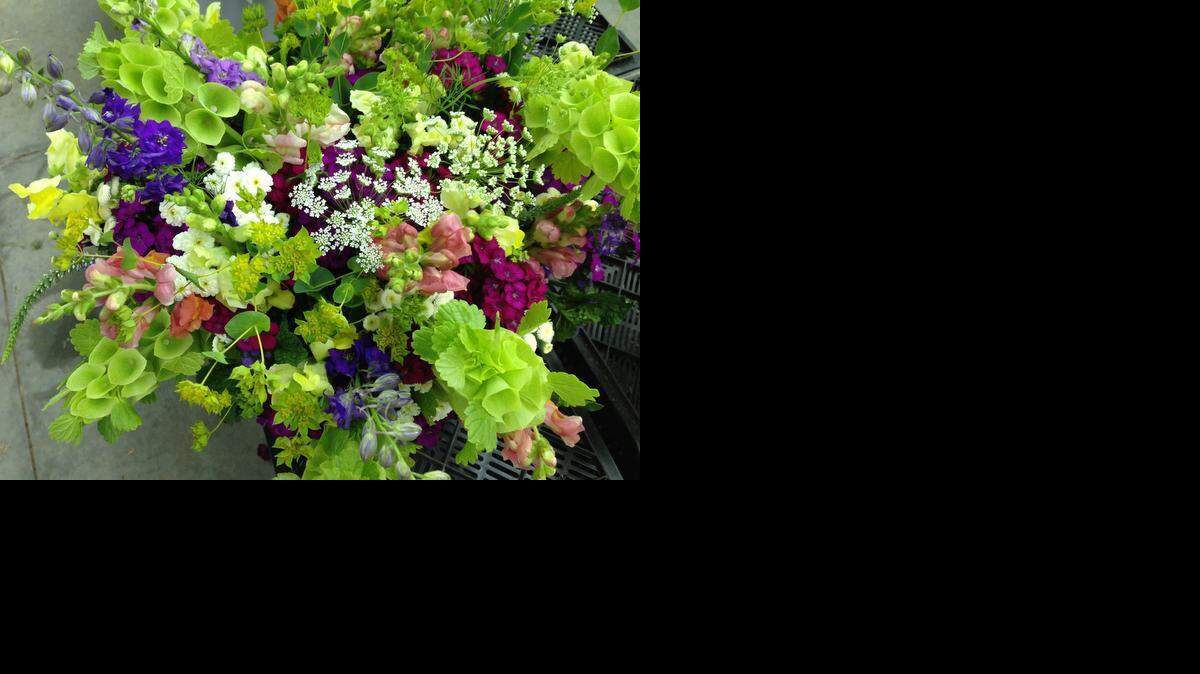
If you haven’t been growing cool-weather flowers, you’re missing a whole season. Cool-season blooms let you have the first glorious bouquets on the block. Now is the time to rediscover – and to plant – these sturdy flowers, many of which are among most gardeners’ all-time favorites.
Lisa Mason Ziegler, a flower farmer from Newport News, Va., is a new champion of larkspurs, snapdragons, sweet peas, calendulas and other flowers that bloom in early spring, long before zinnias, marigolds and other summer annuals can even be planted. Ziegler, who grows and sells flowers and bouquets from spring through the first frosts of fall, says the easy-to-grow cool-season flowers wake her garden up in spring, but they also keep her spirits up in the winter.
“When you plant in the fall, you have the anticipation through the winter,” she says. “I’m tiptoeing out there at the first crack of spring to check on them. I enjoy that garden more than any other.”
Ziegler is the author of “Cool Flowers” (St. Lynn’s Press, 2014), in which she shares her tips and tricks to help every gardener grow these treasures. In her view, timing is everything.
“You don’t plant them in the retail gardening time,” Ziegler says. “If you buy seeds when they are typically available, it’s not the correct planting time, and they can hardly thrive.”
In her mild Zone 7 climate (same zone as much of Piedmont North Carolina), Ziegler sows many cool-season flower seeds directly in the garden in the fall. Where winters are severe, the correct planting time is six weeks before winter’s last frost – so if your average last frost of the winter is May 1, for example, the best time to plant these cool-season blooms is in mid- to late March. Little seedlings of cool-season flowers are hardy. “They appreciate the cold nights at this time of year.”
Sweet peas are perhaps the most beloved cool-season flower, and one of the most misunderstood. People think they are hard to grow, but these are easy flowers, Ziegler says, if you get the timing down and if you cut them regularly.
She suggests planting a 4-foot-long row, with one seed every 6 inches. You’ll have only eight plants, but they “will give you two big bunches of fragrant sweet peas every week for six to eight weeks,” Ziegler says. The flowers last about five to seven days in a vase.
Spun fabric row cover (available at garden shops) is one of Ziegler’s favorite ways to ensure cool-season success. After planting, she spreads a strip of row cover over the seedbed to protect it from squirrels and drying winds. Ziegler uses it over every early spring flower crop for at least two weeks. When the plants are large enough to be mulched around, she removes the row cover.
Foxgloves, bells of Ireland (which have green flowers on a flower stalk that grows up to 3 feet tall), bachelor’s buttons, dill and fragrant sweet William are all on Ziegler’s list of easy-to-grow, long-blooming cool-season favorites. They’re all terrific as cut flowers, and they are great performers in flower beds, too.
The seeds of larkspur, poppies and bupleurum can even be sown directly on freshly fallen snow, Ziegler says. When the snow melts, the seeds come into perfect gentle contact with the thoroughly moist soil.
Many cool-season flowers are easy to grow in a flowerpot. Use big pots, Ziegler says, and stick with flowers that are less than 3 feet tall.
“Nigella is good; snapdragons would be great,” she says, adding that “larkspur will shoot straight up” in a big pot with fresh potting soil.
Cool-season flowers give you more than just bright, early bouquets, Ziegler says. They also attract pollinators to the garden. Many gardeners are shy about pollinators, which – besides butterflies and hummingbirds – include beneficial wasps and bees. Ziegler is allergic to bee stings, but she willingly makes room for bees.
“When I learned about all the incredible things wasps and bees do in our gardens, I changed my attitude about them,” she says. “The early blooms get the bugs in early, setting up housekeeping and coming back for more.”
Vegetable gardeners, especially, should make room for a row of early-spring blooms to encourage beneficial insects and pollinators.
There’s really no need to wait until the roses bloom to get out into the garden, Ziegler says. Plant flowers that thrive in the cool conditions of early spring, and you’ll discover a whole new season of bloom.
“You’ll have bells of Ireland and snapdragons coming on in March and April. You’ll have foxgloves from seed, and you get rocking blooms,” she says.
This story was originally published December 12, 2014 at 8:00 PM with the headline "Well-dressed garden: Growing cool-season flowers."