
Homegrown: Growing herbs for making tea
Sweet, spicy, floral, grassy – you can talk about herbal teas in almost the same way that you would wine.
Purchased tea blends can get pricey, and you’re stuck with another person’s choice in flavor combinations. Growing herbs for teas means that you can design your own while making your yard look great.
The single most important factor in growing herbs or flowers for edible use is: No pesticides. You don’t want to eat or drink those.
Here are some of our favorites for you to start with. Plant all of these in sunny locations.
Tulsi: Also called holy basil, its mild flavor resembles white tea, but it doesn’t have caffeine. The plants get about 2 feet tall and put out a gorgeous purple bloom in late summer to early fall. The leaves are green on the top, purple on the bottom. In the Triangle, treat Tulsi as an annual – as you would Italian basil. Or try bringing containers indoors for the winter. Grow from seed or plants.
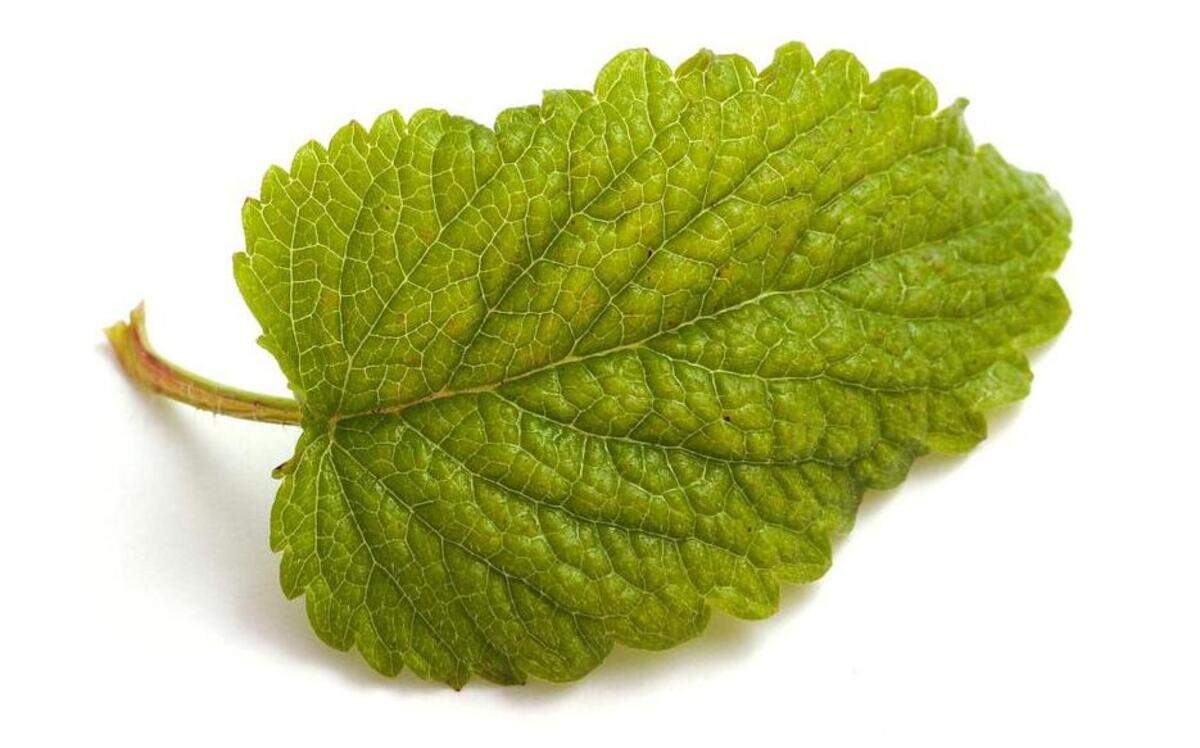
Lemon balm: This perennial has a herbaceous lemon flavor and will grow just about anywhere. Plant lemon balm in well-drained sandy soils in the ground or fluffy potting mix in pots. It forms a tidy rounded shape topping out at 2 or 3 feet high and wide. The small, crinkled green leaves add great texture in borders and the small white flowers smell as lemony as the foliage.
Chamomile: This annual offers small, white, daisy-like flowers and feathery green leaves. Both can be used in teas, although the flowers are more common. Sow seeds in the ground or in containers between now and late fall. Chamomile will handle partial shade, and will self-seed if the flowers aren’t harvested. Plant in loose, well-draining soil. The herb is a favorite for its mellow, apple-like flavor.
For teas, herbs can be used fresh or dried. Follow the usual rule of 1 tablespoon of fresh herbs equals 1 teaspoon dried herbs.
Start with a few plants of each type before investing a lot of time and space. One or two lemon balm plants is enough to start, for example.
Most herbs can be hung to dry in a dark place. Leave them on the stem. Rinse, then dry thoroughly and remove all moisture. Place them upside down in a paper bag, then tie the stems and the bag together loosely. Hang them in a hot, dry place, such as an attic. When the leaves are brittle, strip them from the stems and store in glass containers away from light. It may take several weeks.
In our humid climate, hanging herbs to dry outside often results in moldy herbs.
Use the oven method to dry herbs faster. Wash them and get them completely dry. Strip large leaves from the stems, or divide herbs with smaller leaves (such as thyme or rosemary) into small sprigs. Place on cake cooling racks atop a cookie sheet.
Place them in the oven on very low heat, 100 degrees to 140 degrees, with the door propped slightly open. When the herbs are crisp-dry, let them cool, then store. The drying process may take a couple of hours or less; check the herbs every 20 minutes or so.
When creating tea blends, think about balance. Mix stronger flavors with milder ones. And don’t forget pantry items; coriander seeds can add a nice undertone.
Debbie enjoys chai but is not a fan of fennel seed, a component of many chai blends. For this caffeine-free tea, she used a combination of her favorite spices with the subtlety of tulsi. It made great holiday gifts, too.
Reach Carol Stein and Debbie Moose at homegrownmoosestein@hotmail.com.
Tulsi Chai
Store the blend in a glass jar with a snug lid, and keep in a dark, cool place to preserve the flavors. You can purchase dried tulsi at natural foods markets. Substituting the candied ginger for the dried will add a little sugar to the mixture.
2 (4-inch) cinnamon sticks, cut in small chunks
28 whole cardamom pods, cut in half
20 whole cloves, coarsely chopped
14 white or pink peppercorns
1 teaspoon coriander seeds
1 1/2 teaspoons chopped dried ginger pieces or 1 teaspoon chopped candied ginger
3/4 cup dried tulsi
Toast the cinnamon, cardamom, cloves, peppercorns and coriander seeds in a frying pan on the stove over medium-low heat, stirring often. Toast for just a few minutes until they’re fragrant. Watch carefully and don’t let them brown or burn. If they do, throw them away and start over.
Place the spices in a bowl and let them cool, then add the ginger and tulsi. Toss the mixture gently with a spoon until blended. Store the tea in an airtight container away from direct light. It will keep indefinitely.
TO USE: For 1 8-ounce cup of tea, place 1 generous teaspoon of Tulsi Chai in a tea strainer or strainer basket and place it in a cup or mug. Pour 1 cup boiling water over the tea and let steep for at least 5 minutes. Remove the tea strainer and add milk and honey, if desired.
YIELD: 12- 15 servings
This story was originally published April 17, 2015 at 7:00 AM with the headline "Homegrown: Growing herbs for making tea."