
Do crape myrtles pass on their color?
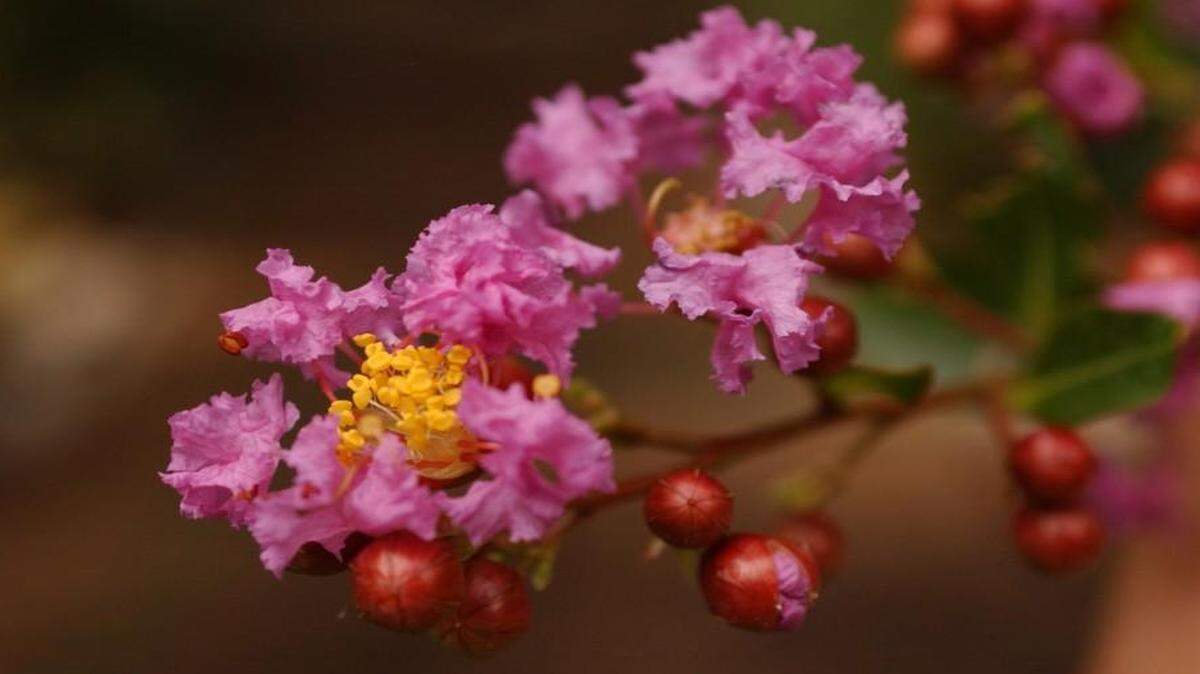
Q: Crape myrtles are prolific seed producers, and many of the seeds sprout. Will the offspring be true to the parent’s color? If most of the varieties on the market are hybrids that won’t produce the same color blooms in their offspring, is there a most common color they will likely revert to? I’d love to have more crape myrtles around the yard, but it takes a few years of growing to find out what flower color the seeds will produce.
Martha Lewis, Chapel Hill
A: You are correct about crape myrtles being prolific. The offspring will unfortunately not be true to the parent. In my experience they will most often be relatively pale pink, but they do have the potential to be something quite different and interesting. If you see quite a bit of red coloration in the young stems, it is likely they will have darker flowers.
Many of the modern crape myrtle selections have been bred for better color, heavier flowering, good bark and especially disease resistance. While seedlings may have these traits, they also may not. If you want to be certain you get a good plant, I would advise buying named cultivars, but if you like to gamble, seedlings can sometimes surprise you with something wholly unexpected.
Dividing autumn sedum
Q: How and when to divide autumn sedum? I have large plants but want to extend the bed.
Sherrill Stanley, Fuquay-Varina
A: The late flowering, clumping sedums like “Autumn Joy” and “Matrona” are best divided in late fall after the tops have died back. Cut out the old stems and you will be left with a crown of resting buds ready for next year’s growth. Dig the clump and split it into 3-4 sections, which should all have both buds and roots. I use a flat shovel to divide my perennials but plant guru Tony Avent of Plant Delights Nursery swears by a serrated knife. Re-plant the divided clumps wherever you would like them or give some to gardening friends who can share their garden divisions with you. Make sure to plant your sedum with the buds right at or just above ground level.
Does variegation revert back?
Q: Some variegated plant limbs have started reverting back to the non-variegated form. Can these limbs be cut out, or will the whole plant eventually revert?
Trish MacPherson, Apex
A: I see this issue quite a bit when I drive around the state. Plants that are variegated or have multi-colored leaves – often white or gold and green – have portions that are solid green. Some variegated plants almost never revert back to the green form, while others are very unstable. Some of the shrubby, evergreen euonymus are particularly guilty of this. When you notice a limb has lost its variegation, go ahead and prune that portion off of the main plant. The non-variegated portion has more chlorophyll and will consequently often outgrow the rest of your plant. Over time, it is possible to lose all of the variegated portions unless you have been diligent about pruning the reversions.
Mark Weathington is the director of the JC Raulston Arboretum at N.C. State University in Raleigh. Info: jcra.ncsu.edu. Please send your garden questions, including your full name and the city where you garden, to: askthegardener@newsobserver.com.
Plant Spotlight
Common name: October Daphne
Botanical name: Sedum sieboldii
Family: Stonecrop (Crassulaceae)
Category: Succulent, herbaceous perennial.
Primary uses: Perennial borders, containers, rock gardens, xerophytic (dry) gardens
Dimensions: 4 inches tall by 10 to 14 inches wide.
Culture: Full sun to light shade; October daphne likes low to medium fertile, well-drained soils. Divide plants every five to six years to maintain vigor.
Bloom time: Fall.
Color: Pink.
Hardiness: Established plants are winter hardy to at least minus 10 degrees (USDA hardiness zone 6)
General attributes: This low-growing perennial bears rounded, silvery green leaves, margined with pink, which arch out from a central rosette like a fountain. During the fall, small pink flowers are borne in flat clusters up to 3 inches across. The flowers attract butterflies and other pollinators to the late season garden. Fall and early winter color is plum to burgundy.
This story was originally published October 7, 2015 at 2:17 PM with the headline "Do crape myrtles pass on their color?."