Looking to connect with a house of worship in the Triangle? Tips to get you started.
Looking to get plugged in to a temple, mosque, synagogue or church?
Religious groups can be a great way to serve your local community, connect with others and make good friends.
Learn more about religious life in and around the Triangle, plus how you can find a group that’s great for you.
How to find the right religious group for you
Finding a solid religious group that’s a good fit for you and your loved ones takes time.
Before beginning the process, sit down with your partner or your friends to figure out the things you’ll need from your worship space and the things you do not want.
Here are some tips to get you started:
• Look for houses of worship near you: Do some internet searches to see what’s in your immediate community. Websites often have FAQ pages that spell out beliefs, smaller groups you can join and when meetings are.
“Nine times out of ten, people shop your website before stepping foot in your community,” said Bishop Ronald Godbee of Durham’s The River Church. “Websites, which are one of the best tools you can have at this time, should give you a sense of the place and what it would be like to visit.”
• Shop around: Narrow down your list to a few you’d like to check out, either in-person or through virtual meetings.
“Don’t settle for the first place you find on the web, but check in so you can have a personal experience,” said Imam Abdullah Antepli, Duke Divinity’s associate professor of the practice of interfaith relations, who was also Duke University’s first Muslim chaplain.
“Zoom is not the same thing, but it’s not a terrible alternative. Keep connecting with communities and see what’s a good match for you, for your family and for the new life you want to build for yourself.”
• Come open-minded and with grace: You’ll likely have a checklist of what you want or need out of your house of worship, and you should look for places that check as many of those boxes as you can. But no place is perfect, and it’s important to remember that, Godbee said.
“Come with reasonable expectations. There is no perfect place,” Godbee said. “Allow for grace for people to grow — yourself included.”
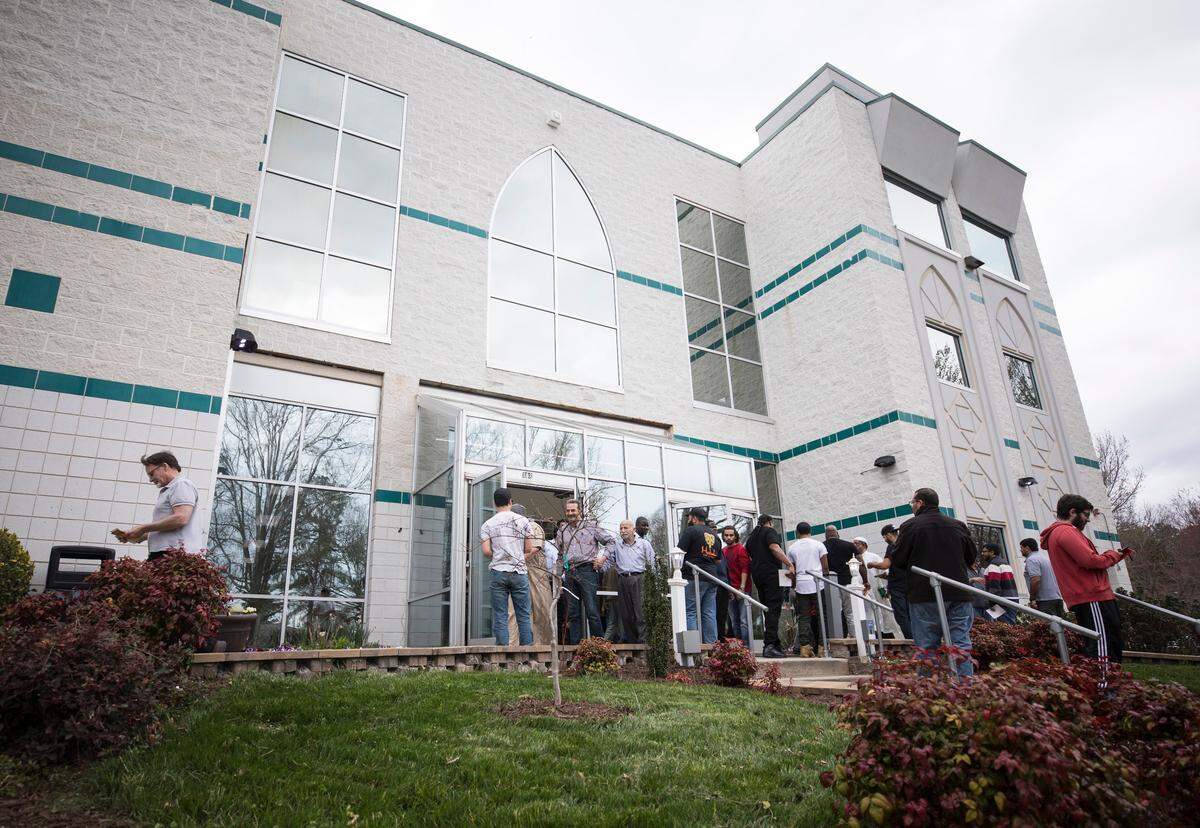
• Engage in the worship experience: Attend a service (virtually or in person) to get a feel for what the weekly commitment will look like. See if there are any non-negotiables, but don’t be discouraged if not all of your boxes get checked off immediately, Godbee said.
• Check in with leadership to learn more: Many houses of worship welcome informational meetings and visits, like the The Sikh Gurudwara of NC in Durham. To set up a meeting, you can often find contact information (email addresses for staff members or general phone numbers) on websites or social media pages.
“If you are new to the Sikh faith or simply want to learn about our faith, we welcome your interest, and would love for you to visit us,” said Kulpreet Singh, the gurudwara’s public relations chair. “For the Sikh newcomers to the area, the gurudwara is a tremendous resource.”
• See what the house of worship offers: Are you interested in making friends with more married couples? Doing volunteer work in your town? Picking up a new hobby? Meeting other parents with young children?
“The best advice I tell people who are new to Durham or want to enlarge their current social circle is to get involved in something, anything that they care about,” said Lois Silver, the chair of Beth El Synagogue’s Membership Engagement Committee.
“It could be their child’s religious education or your own personal development. Maybe your interests lean toward social justice. If so, your house of worship will most likely have a social justice-themed committee.”
Antepli from Duke Divinity knows what he wants any mosque he’s a part of to have: “If I’m going to settle for a Muslim community, I have to go there and spend time in the community, to see what social justice causes they champion, what interfaith work they are doing,” he said.
• Learn more about the time commitment: Getting plugged in to a religious group is a give and take. You’re looking for an energy-giving worship experience, but you’re also expected to become a part of the community, join groups and be in service to the broader area, Godbee said.
Have conversations with those in leadership about what’s expected of attendees, and be realistic with time commitments. “See if core commitments can be adhered to. This way we can give a good ‘yes’ instead of a bad ‘no,’” Godbee said.
Religious composition of adults in NC
The Pew Research Center has a breakdown of the religious composition of adults in North Carolina as of 2014, the most recent data available. Here’s what the data says:
77% of adults in North Carolina categorize themselves as “Christian.”
Evangelical Protestants make up the majority of Christians in North Carolina: 35%. Under 10% of Christians are Catholic. Jehovah’s Witnesses and Mormons are both 1% of Christians.
3% follow non-Christian faiths, including Islam, Judaism, Hinduism and Buddhism.
Under 1% follow Native American religions.
20% are unaffiliated, called religious “nones.” This includes atheists and agnostics.
This story was originally published February 3, 2022 at 8:01 AM.