
Inside Europe’s Hidden Cultural Destinations, From Belgrade’s Kafana Cafes to the Aeolian Islands
Europe’s biggest capitals get the crowds, but the most rewarding cultural destinations often sit a train ride away from the obvious choices. Here’s where to go and what travelers are looking for in 2025 and 2026.
What Are the Best Cultural Destinations in Europe Beyond the Tourist Hotspots?
Nine places consistently deliver authentic culture, history and atmosphere without the crush of mass tourism: Odense in Denmark, Maastricht in the Netherlands, Belgrade in Serbia, Ithaca in Greece, Sibiu in Romania, the Aeolian Islands in Italy, Plovdiv in Bulgaria, Rovinj in Croatia and the Troodos Mountains in Cyprus.
For more information: 8 Global Cultural Festivals Offering the Ultimate Immersive Travel Experiences in 2026
Odense, the third-largest city in Denmark and the capital of Funen for more than 1,000 years, is the birthplace of Hans Christian Andersen and is packed with museums, statues and sculptures dedicated to his life and stories. Its cyclist- and pedestrian-friendly streets make it ideal for slow exploration. Maastricht sits on both sides of the Meuse River and is arguably as beautiful as Amsterdam with far fewer crowds; an underground tour of the casemates, the network of passages beneath the city, is a must.
Belgrade, the capital of Serbia, is loud, chaotic and layered with intense history, divided by the Sava River and dotted with daily markets and traditional Kafana cafes. Ithaca, the legendary home of Odysseus, offers quaint towns and stunning beaches without the hustle of Mykonos. Sibiu in Romania blends Romanian, German and Hungarian cultures, with Middle Ages architecture built by German settlers and one of Europe’s best-preserved citadels.
The Aeolian Islands, an archipelago north of Sicily, span seven distinct islands — Vulcano, Filicudi, Salina, Stromboli, Panarea and Lipari among them — best experienced by boat. Stromboli has an active volcano with lava eruptions; Panarea draws the yachting crowd; Salina is known for colorful buildings and lush vineyards. Plovdiv is one of the oldest continuously inhabited cities in the world and home to an impeccably preserved Roman amphitheater alongside 19th-century Bulgarian Revival architecture.
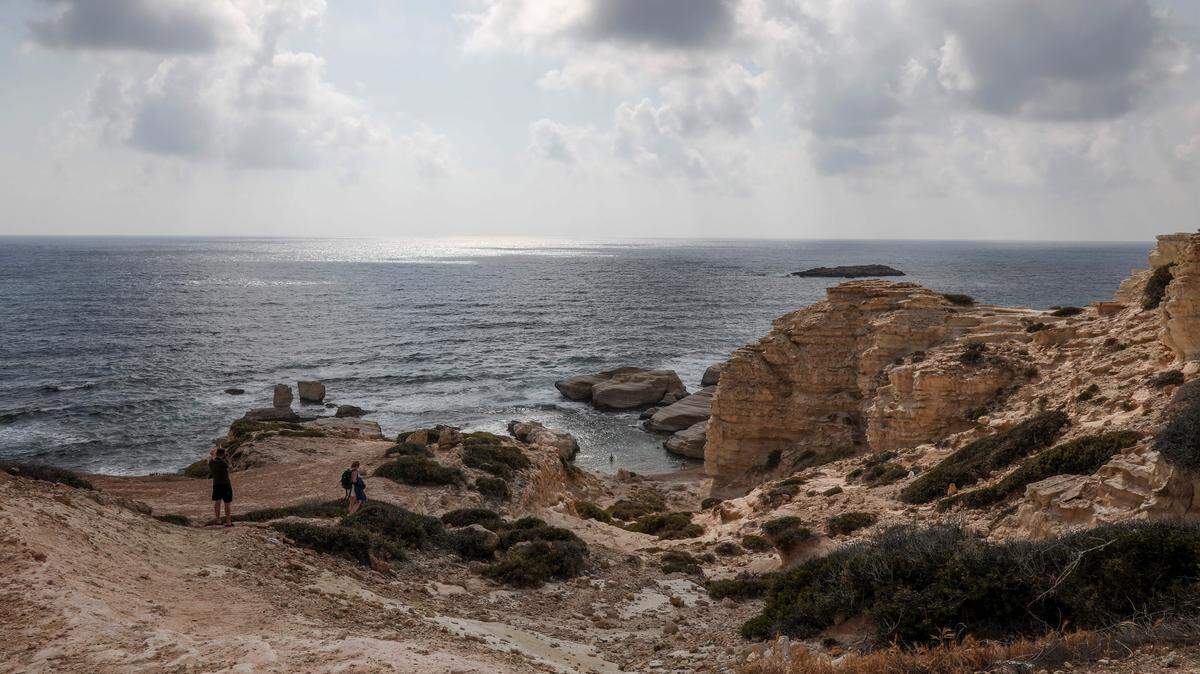
Rovinj sits on a peninsula on the Croatian coast and is lesser known than Dubrovnik or Split — it gets busy in summer but never approaches the scale of bigger Croatian cities. The Troodos Mountains in central Cyprus top out at Mount Olympus, above 1,900 meters, with hiking and cycling in warmer months and skiing in winter. The luxury hotel, restaurant and spa at Casale Panayiotis and the traditional mountain village of Lofou give travelers a side of Cyprus far removed from the typical beach holiday.
Why Are Travelers Prioritizing Cultural Destinations Over Traditional Sightseeing?
Demand for immersive, locally rooted travel has reached the point where it now defines how most travelers plan their trips. A 2025 Skift research report found 86% of travelers are prioritizing immersive experiences over traditional sightseeing, with the same share seeking out entertainment, sports and cultural activities while traveling.
The shift is being driven hardest by younger travelers. According to the Skift research, 80% of millennials and 75% of Gen Z travelers are leading the move toward experience-first trips. That generational pressure is pushing destinations across Europe to lean into authenticity, local food, craft and culture rather than packaging the same checklist of landmarks.
A 2026 study by the European Travel Commission, the Assessment of Responsible Travel Behaviours of Long-haul Travellers to Europe, found long-haul visitors are increasingly seeking local and authentic experiences and are more open to destinations beyond the main tourism routes. The study points to a clear appetite for travel that is greener, off-beat and locally immersive.
Eduardo Santander, CEO of the European Travel Commission, said: “Long-haul travellers are increasingly seeking experiences that are authentic, locally rooted and environmentally conscious. Europe is uniquely positioned to meet these expectations thanks to its diverse destinations, rich local cultures and extensive rail network.”
That combination — authentic culture, lower environmental impact and the convenience of rail — is what is pushing travelers toward places like Sibiu, Plovdiv and Maastricht instead of repeat trips to Paris, Rome or Barcelona. The smaller cities are cheaper, calmer and often easier to navigate on foot or by bike, which fits the slower, more immersive style of trip travelers say they want.
The takeaway for anyone planning a 2026 trip: the cultural destinations getting the most attention right now aren’t the ones on every list. They’re the ones offering daily markets, regional food, walkable streets and a sense of place that doesn’t feel staged for visitors.
How Can You Explore Europe’s Cultural Destinations Without the Tourist Crowds?
The simplest move is to swap big capitals for smaller cities, where you still get culture and great food without the pressure and crowds. Slower travel between smaller cities, often by train, tends to be more memorable than the destination itself.
Pick one neighborhood and stay there. Instead of running between landmarks, spend half a day in a single area — walking, sitting, eating. That’s where Europe stops feeling like a checklist and starts feeling like a place you actually visited. The smaller the city, the more this approach pays off, because the cultural texture is concentrated rather than spread across dozens of attractions.
Use trains for short distances. Europe’s rail network, which Santander cited as part of what makes the continent well-suited to the new wave of immersive travel, makes it easy to hop between mid-sized cities without flying. A train from one regional hub to another is often the most scenic and least stressful part of a trip.
Remove friction wherever you can. When logistics are smooth — luggage handled, transfers booked, accommodation walkable from a station — you have the energy to explore more spontaneously. That spontaneity is where the best cultural moments usually happen: the unplanned stop at a Kafana in Belgrade, the wander through Plovdiv’s arts district, the afternoon sail between two of the Aeolian Islands.
For more information: 8 Global Cultural Festivals Offering the Ultimate Immersive Travel Experiences in 2026
The pattern across all of these tips is the same. Go slower. Go deeper. Go beyond the obvious. Europe’s best cultural experiences aren’t always where the crowds are, and the destinations worth remembering are rarely the ones everyone already knows.
This article was created by content specialists using various tools, including AI.
.jpeg)