
New UCSF study finds GLP-1 weight loss drugs can lead to hair loss
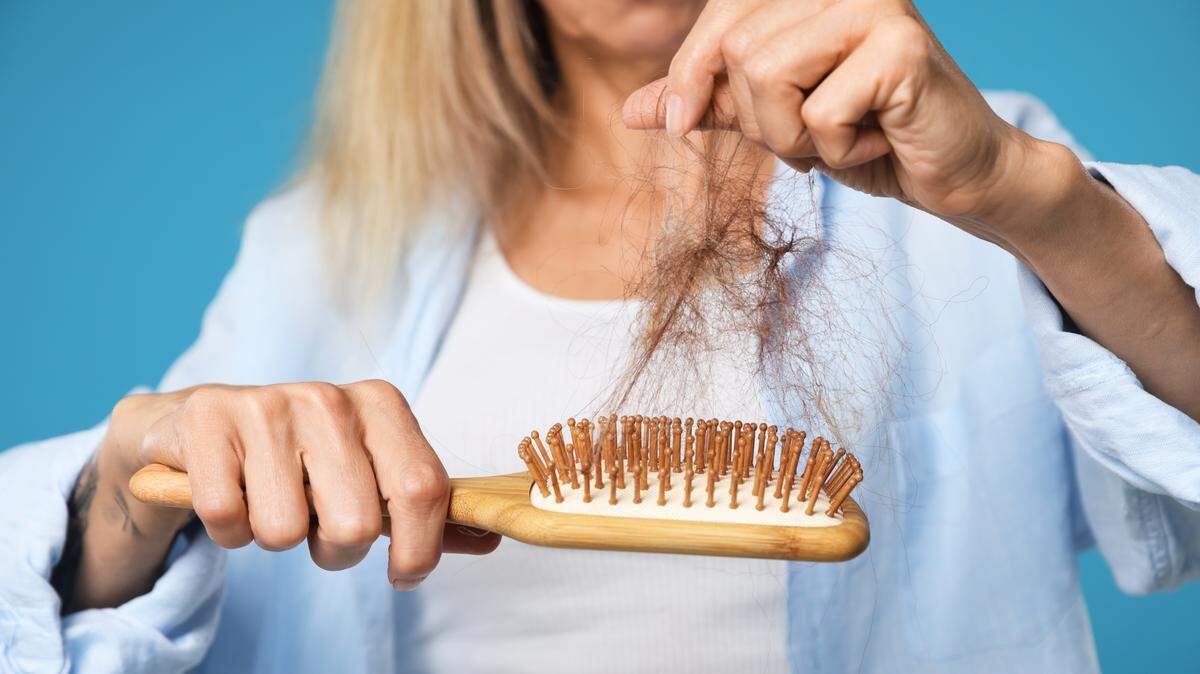
Ozempic, the massively popular weight loss drug often credited for dramatic celebrity weight loss transformations, has been linked to hair loss in a recent study co-authored by a Bay Area doctor.
A study published earlier this month in the journal Science Progress found that GLP-1 drugs were linked to hair loss in patients during periods of fast weight loss. Of these drugs, semaglutide and tirzepatide had the highest rates of hair loss, which include the name brands Ozempic, Wegovy, Mounjaro and Zepbound.
Dr. Paradi Mirmirani, a volunteer associate professor at UCSF, told SFGATE in an email that the study found hair loss was “strongest” in patients using higher doses of GLP-1s to treat obesity or for rapid weight loss but less common in patients taking lower doses of GLP-1s to treat Type 2 diabetes. Patients taking GLP-1 drugs should be aware but “not alarmed,” Mirmirani said.
“Hair shedding can occur with some GLP‑1 medications, especially with rapid weight loss - but it is usually temporary, reversible, and manageable,” Mirmirani said. “With good counseling, steady weight loss, and attention to nutrition, most patients can continue therapy safely.”
GLP-1s are a class of drugs that mimic natural hormones. They were initially developed to treat diabetes, but in 2021, the Food and Drug Administration approved Wegovy to treat weight loss, leading to rapid adoption of the drug.
The meta-analysis looked at 24 studies in January that examined hair loss while using GLP-1s regardless of a patient’s medical condition. The study’s authors said they did not conduct any statistical analysis across all of the studies because of differences between study designs. However, a 2025 meta-analysis, which included more than 84,000 participants across 34 studies, found that people taking GLP-1s were 3.4 times more likely to experience hair loss compared with people not taking the drugs.
Mirmirani, who is a practicing dermatologist at Kaiser Permanente in Vallejo, said she’s observed hair loss in her own patients using GLP-1 drugs but said that it’s primarily been during periods of fast weight loss. Mirmirani recommends that patients minimize hair loss risks by avoiding “prolonged severe caloric restriction” and having a balanced diet that includes ample protein and vitamins, like iron and vitamin B12. Patients with active hair loss can take over-the-counter topical minoxidil to help stimulate hair growth, Mirmirani said.
“With these adjustments, shedding has often stabilized or improved,” Mirmirani said.
According to the study, the most common types of hair loss were telogen effluvium, a temporary hair loss that thins hair across the scalp, and androgenetic alopecia, which is a form of genetically driven baldness. Mirmirani said that women were more likely to experience hair loss and thinning across the scalp while on semaglutide and tirzepatide drugs because they had a higher propensity to lose weight on those drugs.
Copyright 2026 Tribune Content Agency. All Rights Reserved.
This story was originally published May 1, 2026 at 1:35 PM.