Forget Massages — These 5 Water Getaways Are the Wellness Trip of the Moment
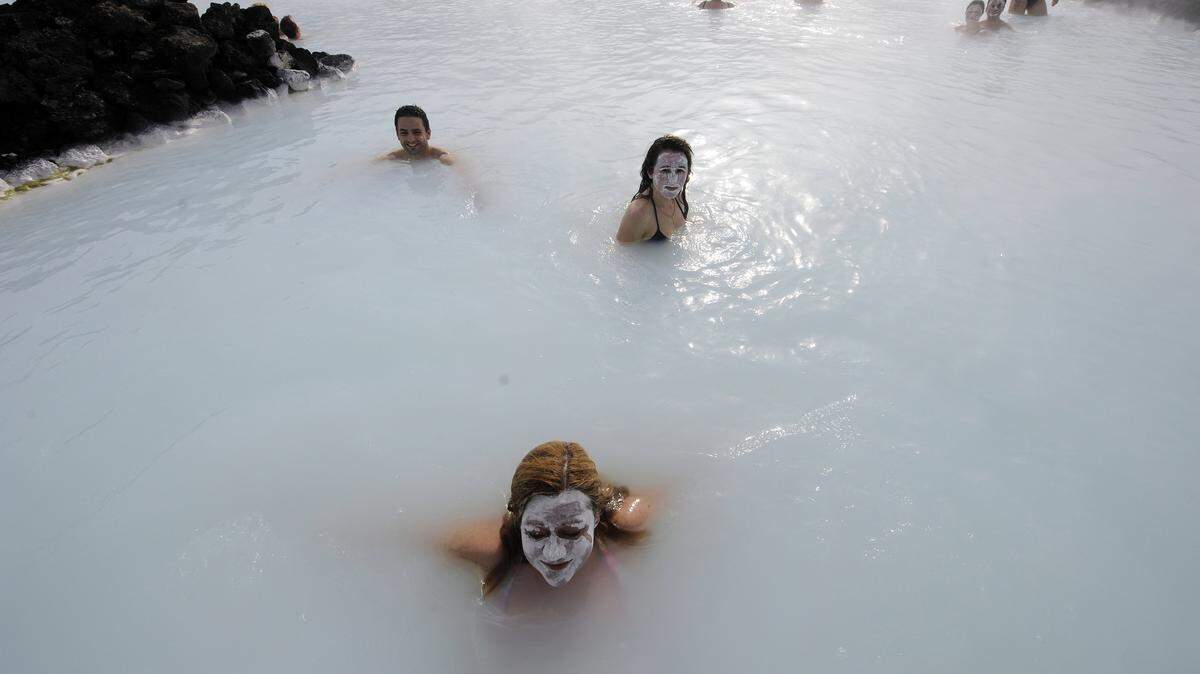
Water getaway travel is having a moment as more travelers swap traditional spa vacations for destinations built around soaking pools, cold plunges and contrast circuits. Here’s where to book a restorative water getaway, from geothermal springs in Colorado to glacier-fed pools in Canada and private onsens in Japan.
What Is a Water Getaway, and Why Is Hydrotherapy Travel Trending?
A water getaway is a wellness-focused trip built around hydrotherapy — soaking, steaming and cold plunging — rather than traditional spa treatments like massages and facials. These trips are growing in popularity as travelers seek out destinations that put water immersion at the center of the experience, from hot springs and saunas to glacier-fed plunge pools and Japanese onsens.
Both warm and cold water immersion can help calm the nervous system, relieve joint pain, reduce inflammation, improve circulation, lower blood pressure, stimulate lymphatic flow, relax muscles and improve mood and sleep, according to research published in the National Library of Medicine.
That science is fueling a wave of resort programming designed around water therapy. Many properties now combine hot springs, cold plunges, saunas, steam rooms and guided contrast circuits into multi-stop bathing rituals. The destinations vary widely — geothermal springs in the Rocky Mountains, glacier-fed pools in the Canadian Rockies, private onsens in Japan, urban sauna gardens in California and luxury lagoons in Iceland — but the structure is similar: water is the main amenity, not an add-on.
For travelers, that means a water getaway is less about booking individual treatments and more about moving through a sequence of pools, plunges and heated rooms, often at one’s own pace. Some resorts offer dedicated wellness programs that pair the bathing rituals with breathwork, sound baths or guided sessions. Others let guests design their own route through the facilities. The trend reflects a broader shift in wellness travel toward longer stays, slower pacing and experiences guests can repeat throughout a trip — bathing two or three times a day, for example, rather than booking a single hour-long treatment.
Springs Resort in Pagosa Springs, Colorado
This Colorado resort has more than 50 soaking pools fed by the world’s deepest known geothermal hot spring, making it one of the most extensive hot-springs water getaway destinations in the United States.
Located in southern Colorado near the San Juan Mountains, the property runs a wellness program called Soakology, which pairs mineral-rich geothermal water with guided wellness practices. The spring water contains 13 minerals and ranges from 35 to 112 degrees Fahrenheit across the property’s pools, giving guests a wide spectrum of soaking temperatures within a single visit.
The resort has built out a full contrast-therapy experience for guests who want to alternate between hot and cold. A dedicated platform and stairs let visitors take a cold plunge directly in the San Juan River, which runs alongside the property. The resort also offers a Contrast Circuit consisting of three rounds of alternating pool temperatures, designed to walk guests through a structured hot-cold sequence rather than leaving the timing up to chance.
A standout feature is Contrast Falls, a waterfall installation that delivers both hot spring water and cold river water in the same spot — a built-in hydrotherapy station for guests who want a more intense version of the contrast experience. A salt-enriched sauna rounds out the wellness facilities and overlooks the surrounding mountains.
The combination — dozens of pools, a natural cold plunge in the river, a structured contrast circuit and a salt sauna with mountain views — is what makes Pagosa Springs a flagship water getaway in the U.S. Guests can build their own bathing route or follow the resort’s structured programming, depending on whether they want a guided wellness stay or a more free-form soak.
Amanemu in Japan
Amanemu, an Aman resort located beside Ago Bay in Japan’s Ise-Shima region, is one of the most established onsen-style water getaway options for travelers seeking traditional Japanese hot-spring bathing in a luxury setting.
The ryokan-inspired property centers on Japan’s sixth-century tradition of onsen bathing, with a 2,000-square-meter spa built around a large mineral-rich hot spring bath fed by the thermal waters of Ise-Shima. The spa blends Japanese healing traditions with nature-based therapies, drawing on the surrounding bay landscape rather than treating the bathing experience as a stand-alone amenity.
The facilities are designed to give guests multiple ways to use the geothermal water. The thermal spring garden includes daybeds for resting between soaks, and the property has two private onsen bathing pavilions for guests who want a more secluded experience than the main bath. An Aqua Movement Suite hosts water-based treatments, and a separate hydrotherapy area combines a dry sauna, a steam room and additional bathing facilities, according to Amanemu.
The breadth of the program — main onsen, private pavilions, garden daybeds, sauna, steam room and dedicated water-treatment suite — is what sets Amanemu apart from a standard hot-spring stay. Rather than visiting an onsen for a single bath, guests can structure an entire trip around the bathing rituals, alternating between communal soaking, private pavilions and contrast steam-and-sauna sessions.
The setting matters as much as the facilities. Ise-Shima is known for its quiet coastal landscape, and the resort’s design leans into the area’s pine forests and bay views, giving the property the slower pace associated with traditional ryokan stays. For travelers who want a water getaway grounded in Japanese bathing culture rather than Western spa programming, Amanemu offers one of the most comprehensive options.
Fairmont Chateau Lake Louise in Alberta, Canada
Basin Glacial Waters at the Fairmont Chateau Lake Louise in Banff National Park is one of the few water getaway destinations that uses glacier-fed water — drawn from Victoria Glacier — for its thermal bathing experience.
Located inside the Fairmont Chateau Lake Louise, the spa lets guests contrast bathe indoors and outdoors in pools filled with glacial meltwater while overlooking Lake Louise and the surrounding mountains. The setup gives guests two layers of contrast: the hot-cold cycling typical of hydrotherapy plus the visual contrast of soaking outdoors against the backdrop of the glacier itself.
Beyond the glacial pools, the spa experience includes saunas, a Himalayan salt room and a hammam — a traditional steam bath associated with Middle Eastern and North African wellness rituals, according to Fairmont Chateau Lake Louise. That mix gives guests a multi-tradition bathing route in a single property: glacial contrast bathing, dry sauna heat, salt-room therapy and hammam-style steam.
The Banff National Park setting is part of the appeal. Lake Louise is one of the most photographed alpine lakes in North America, and the chateau sits directly on its shore, putting the spa’s outdoor pools within view of both the lake and the glacier that feeds them. For travelers planning a water getaway focused on cold-water immersion or contrast therapy, the property offers a natural-water source most resorts cannot match.
The combination — glacial meltwater pools, indoor-outdoor contrast bathing, a Himalayan salt room and a hammam — makes Basin Glacial Waters a destination for travelers who want their hydrotherapy paired with an alpine landscape rather than a generic spa interior. It also positions the Fairmont Chateau Lake Louise as a year-round water getaway, since the contrast bathing experience holds up in both summer and winter conditions.
Alchemy Springs in San Francisco
Alchemy Springs in San Francisco’s Lower Nob Hill neighborhood is built around the social-spa model — a water getaway designed for repeat city visits rather than a single resort stay, with sauna, cold plunge and community programming as the core experience.
The property describes itself as a “social spa” organized around water, movement, sound and community. Its Sauna Garden lets visitors alternate between sauna sessions and cold plunge tubs, either on a guided schedule or self-directed, giving guests flexibility to build their own contrast circuit.
What separates Alchemy Springs from a standard bathhouse is the programming layered on top of the bathing facilities. The space hosts yoga classes and recurring events including the Acroyoga Community Jam, Sacred Sound and Movement gong baths and Speak-Teasy herbal tea pop-ups. That makes the property a hybrid — part hydrotherapy facility, part wellness venue — and gives city residents a reason to visit on a recurring basis rather than as a one-off treatment.
The brand is also expanding. A full bathhouse is in development, with thermal pools and additional communal wellness spaces planned, which would broaden the existing Sauna Garden setup into a more traditional bathhouse format. For travelers, that signals Alchemy Springs is positioning itself as a longer-term destination in the city’s wellness scene rather than a single-location pop-up.
For a water getaway, Alchemy Springs is a different proposition than a remote resort. Travelers visiting San Francisco can fold a contrast-therapy session, a sound bath or a yoga class into a city itinerary without leaving Lower Nob Hill, and locals can use the space as an ongoing wellness practice. That accessibility is part of the appeal — and part of why the social-spa model has gained traction as an urban alternative to destination hot-springs trips.
The Retreat at Blue Lagoon Iceland
The Retreat at Blue Lagoon Iceland is the country’s flagship luxury water getaway, pairing a 60-suite hotel and Michelin-starred dining with a private lagoon fed by the same mineral-rich geothermal waters as the famous Blue Lagoon.
The Retreat sits alongside the public Blue Lagoon but operates as a separate, more private experience. Guests have access to a subterranean spa and a private lagoon for restorative soaking and geothermal therapy, with fewer crowds than the main lagoon. That distinction matters for travelers who want the Blue Lagoon’s signature mineral water without the day-tripper volume the public site is known for.
The 60-suite hotel anchors the property as a destination stay rather than a spa day-pass, and the Michelin-starred dining gives the resort a culinary draw beyond the bathing program. For travelers planning a multi-day water getaway, the format encourages slow-paced, repeat soaking — guests can move between the private lagoon, the subterranean spa facilities and the suites without leaving the property.
The Retreat is also known for Northern Lights viewing. The resort offers wake-up call services for guests who want to be roused overnight to see the aurora, an unusual amenity that ties the bathing experience to Iceland’s seasonal sky. Combining a late-night aurora viewing with a return to the geothermal waters is part of the property’s appeal for travelers visiting in winter.
This article was created by content specialists using various tools, including AI.
This story was originally published May 8, 2026 at 6:11 PM with the headline "Forget Massages — These 5 Water Getaways Are the Wellness Trip of the Moment."